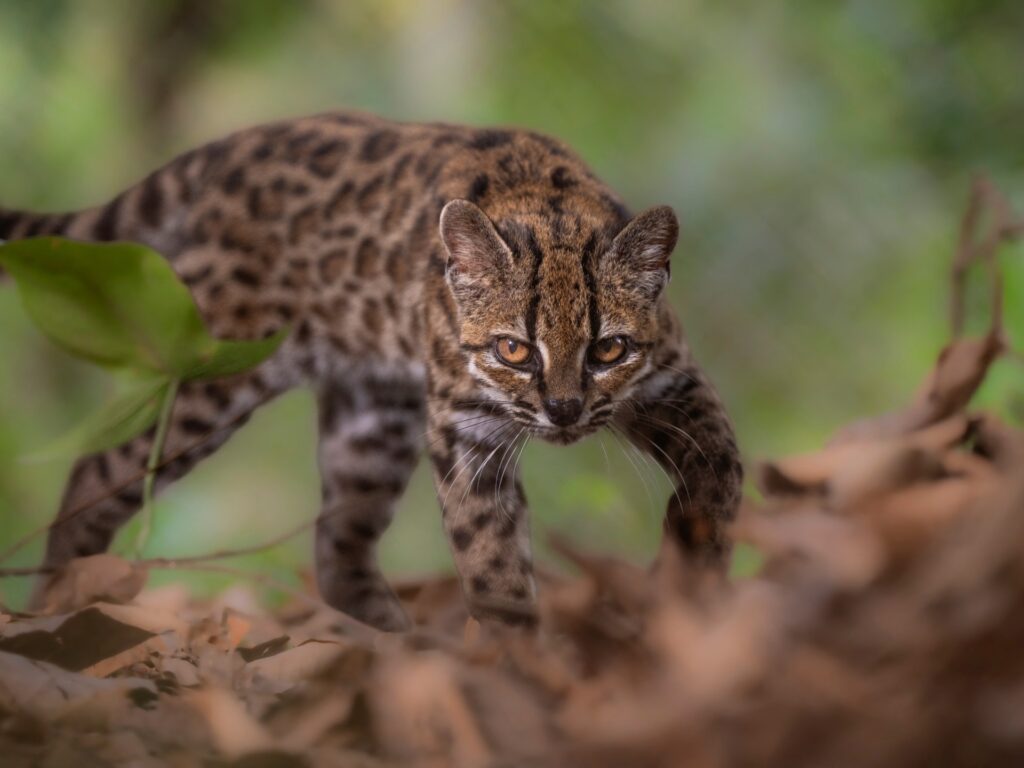
In a remarkable breakthrough in the field of wildlife biology, scientists have identified a new species of tiger cat in Bolivia, named Leopardus tilcayo. This is the first time in more than 100 years that a living cat species has been named and officially described, marking a milestone in zoological research.
The discovery was made after extensive field studies, genetic analyses, and detailed observations of wild cats in the mountainous regions of Bolivia. Leopardus tilcayo distinguishes itself from other known species through unique physical characteristics, habitat preferences, and genetic markers that confirm its classification as a separate species.
Tiger cats belong to the genus Leopardus, small wildcats native to Central and South America. Prior to this discovery, the genus was known to include several species such as the ocelot, margay, and oncilla, but the addition of L. tilcayo expands the diversity and understanding of these elusive felines.
Researchers emphasize the significance of this find, as it sheds new light on the biodiversity and ecological complexity of the Andean ecosystems. The species was documented living in high-altitude cloud forests and montane regions, environments previously underexplored for feline populations.
The naming of Leopardus tilcayo follows rigorous scientific protocols, including morphological comparisons with museum specimens and comprehensive DNA sequencing. The name ’tilcayo’ honors local indigenous heritage and the natural richness of the Bolivian landscape where the cat was discovered.
This discovery highlights the importance of conservation efforts in Bolivia, a country known for its rich and varied wildlife. It underscores the need for protecting habitats that sustain such rare and newly identified species amidst increasing threats like deforestation, climate change, and habitat fragmentation.
The newfound tiger cat exhibits unique behavioral traits, adapting well to its environment with nocturnal hunting patterns and arboreal agility. These adaptations may offer insights into the evolutionary pathways of small wildcats in South America.
Scientists hope this identification will spur further research and conservation measures to ensure the survival of Leopardus tilcayo. It also serves as a reminder of how much biodiversity remains to be discovered, even in regions extensively studied over the years.
The discovery is celebrated by both the scientific community and local populations. It fosters a deeper appreciation of Bolivia’s natural heritage while contributing valuable data to the global understanding of feline biodiversity.
In summary, the identification of Leopardus tilcayo is not just a taxonomic milestone but a call to action for continued exploration and conservation of wildlife in some of the world’s most diverse yet vulnerable ecosystems. This new species enriches our knowledge of the natural world and provides hope for the preservation of wild cats for future generations.