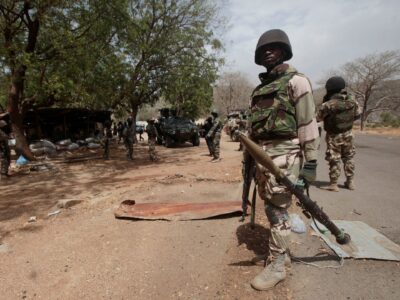
Trinidad and Tobago has officially ended the state of emergency that had been in effect for several weeks. The emergency powers granted to authorities were introduced as a measure to curb rising crime rates and social unrest. However, these powers allowed for mass arrests, where individuals could be detained without immediate charges, sparking widespread criticism.
Lawyers and human rights advocates voiced strong opposition to the mass arrests, highlighting concerns about the erosion of civil liberties and the due process of law. They argue that detaining people without charge undermines the principles of justice and fair treatment.
The state of emergency had granted police and security forces expanded authority to conduct searches, detain suspects, and operate with fewer legal restrictions. While some officials asserted that these measures were necessary to restore order, critics claimed that they led to abuses of power and targeted vulnerable communities disproportionately.
Public pressure, combined with legal challenges from advocacy groups, pushed the government to reconsider the continuation of emergency powers. The decision to end the state of emergency marks a significant moment in Trinidad and Tobago’s recent history, as it attempts to balance national security concerns with respect for individual rights.
In ending the emergency, the government has pledged to focus on other strategies to address crime, including community engagement, judicial reform, and investment in social programs. The aftermath of the emergency period continues to be a topic of discussion, particularly around ensuring accountability and preventing future overreach by security forces.
This development has been welcomed by many as a step towards restoring normalcy and reinforcing the rule of law. However, the experiences during the emergency have left a lasting impact on the population and will likely influence public policy and governance in the country going forward.