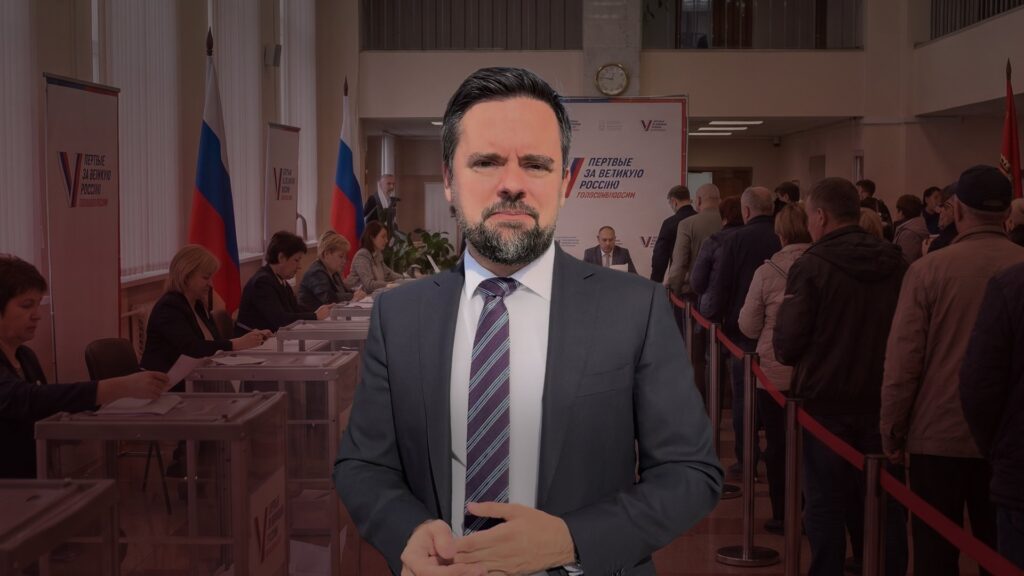
As Russia heads to the polls for the first time since 2022, the spotlight turns to one critical question: can opposition parties realistically challenge the dominance of Putin-backed United Russia? The United Russia party, closely associated with President Vladimir Putin, has maintained a firm grip on the country’s political landscape for over two decades. Despite the presence of other political parties, United Russia has consistently secured commanding majorities in parliamentary elections, shaping Russia’s governance and policy direction.
This election cycle, however, unfolds against a backdrop of significant internal and external pressures on Russia, from economic sanctions to geopolitical tensions and domestic public sentiment. These factors have sparked debates about whether opposition parties can leverage any shifts in public mood to mount a credible challenge.
The opposition landscape in Russia is fragmented, with parties spanning a broad spectrum from liberal reformists to nationalists and communists. Many of these groups struggle with limited media access, stringent regulatory hurdles, and accusations of systemic suppression, severely curtailing their ability to campaign effectively.
One notable opposition party is the Communist Party of the Russian Federation (CPRF), traditionally the largest opposition faction in the State Duma. While it maintains a loyal voter base, the CPRF’s influence has waned, partly due to its alignment with certain Kremlin policies and internal divisions. The liberal opposition, represented by parties such as Yabloko and remnants of the now-banned Navalny movement, faces even greater obstacles, including political persecution and restricted participation.
Regional elections held recently have provided some indications of the public’s appetite for change, with varying degrees of success for opposition candidates in local councils and governorships. However, these successes have been limited and often overshadowed by overarching controls exerted by the central government.
Observers suggest that any significant challenge to United Russia would require united opposition coalitions, strategic campaigning, and an environment that allows for fair media coverage and voter freedom — conditions currently lacking. International reactions have also highlighted concerns over electoral fairness, citing limited transparency and reports of electoral irregularities.
In conclusion, while Russia’s political opposition is active and vocal, systemic barriers combined with a powerful incumbent party mean that a substantial challenge to United Russia in this election appears unlikely. The upcoming vote will nonetheless serve as an important barometer of public sentiment and Russia’s political trajectory amid ongoing national and global challenges.