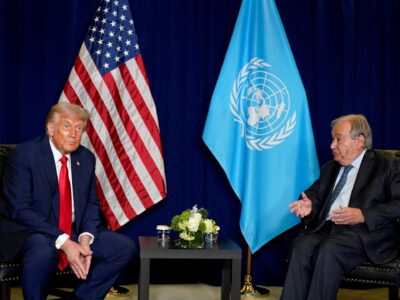
The United States has approved visas for key Iranian leaders to attend the United Nations General Assembly (UNGA), signaling a complex but crucial diplomatic engagement despite ongoing tensions between the two countries. This move comes as part of the routine international diplomatic process, allowing Iranian officials to participate in the global forums that the UNGA offers.
However, Iran’s delegation to the UNGA this year will be notably smaller than in previous years. This reduction comes amid efforts by the U.S. to impose tighter travel restrictions on certain Iranian officials, reflecting concerns about Iran’s regional activities and international policies.
In addition to the smaller delegation size, the Iranian representatives will face restrictions related to their interactions and spending during their stay. Notably, there are new limits on purchases of luxury goods, aiming to curb any indirect benefits that may arise from the officials’ presence in the United States beyond diplomatic engagement.
This careful balancing act illustrates the broader geopolitical dynamics at play. While the U.S. seeks to maintain open channels of communication and diplomacy by allowing attendance at the UNGA, it simultaneously enforces measures to limit Iran’s access and influence.
Iran traditionally sends a large delegation to the UNGA to promote its regional interests and present its viewpoints on various international issues ranging from nuclear talks to sanctions and Middle Eastern conflicts. The downsized delegation will still be expected to highlight Iran’s positions but with less prominence than in past years.
The travel restrictions also reflect U.S. concerns about certain Iranian leaders who are blacklisted or under sanction for their roles in supporting activities deemed hostile to U.S. interests or destabilizing the Middle East.
Moreover, the limits on luxury goods purchases are part of the broader U.S. sanctions regime designed to pressure Iran’s leadership without completely severing diplomatic ties. These measures aim to create a situation where Iranian officials can legally participate in international dialogue while curbing potential misuse of diplomatic privileges.
International observers see these developments as a nuanced approach by the U.S. that balances the need for diplomatic engagement and national security concerns. It reflects the ongoing challenges in U.S.-Iran relations, which have been marked by conflict, negotiations, and intermittent thawing phases.
This year’s UNGA session will thus be an important platform to watch, as Iran navigates its constrained diplomatic presence. The implications extend beyond the event itself, potentially influencing future negotiations on issues such as the Iran nuclear deal, regional security, and sanctions relief.
In summary, by approving visas for Iranian leaders but imposing travel and spending restrictions, the United States is sending a clear message: it supports diplomatic dialogue but remains cautious about Iran’s international conduct. The outcome of this delicate approach remains to be seen, as both nations confront a complex geopolitical landscape.