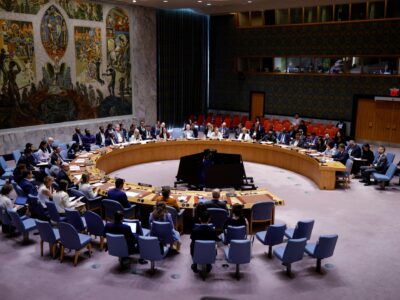
Every year, during the United Nations General Assembly (UNGA), Brazil holds a unique and distinguished position: it is the country that traditionally speaks first. This longstanding custom prompts curiosity and interest from international observers and diplomats alike. The tradition dates back to the early days of the UNGA and has various reasons behind its establishment.
Historically, when the United Nations was formed after World War II, there was no official protocol dictating the order in which countries would deliver their speeches. However, Brazil volunteered to speak first during the very first General Assembly session in 1947. This was a period when many countries were focusing on rebuilding and establishing international collaboration, and Brazil’s proactive gesture set a precedent.
Since then, Brazil has consistently maintained this position as the first speaker, with the exception of a few special cases such as the United States, which is the host country of the UN headquarters in New York. When the United States delegates choose to speak first, Brazil speaks immediately afterward.
The reason Brazil keeps this tradition is partly due to its diplomatic cordiality and willingness to contribute promptly to global discussions. Brazilian delegations have embraced this role as a symbol of the country’s commitment to the United Nations and international peace.
Furthermore, the UN Secretariat officially recognized this tradition, reinforcing Brazil’s position as the first speaker at the General Debate session of the UNGA. This protocol facilitates the smooth orchestration of speakers and maintains continuity in the proceedings.
Speaking first offers Brazil a unique opportunity to set the tone and agenda for the international dialogue that follows. It highlights Brazil’s influential role in multilateral diplomacy and reflects a diplomatic respect among UN member states.
In conclusion, Brazil’s special status as the first speaker at the UNGA is a result of historical happenstance turned into tradition, recognized and maintained to ensure diplomatic decorum and efficiency in the Assembly’s proceedings. This custom symbolizes Brazil’s active participation in the international community and its readiness to engage in global issues from the outset.