At least 26 people have been killed in recent clashes along the volatile border region between Sudan and South Sudan. The area, already tense due to longstanding disputes, has seen an escalation in violence over the last several days, resulting in deadly fighting that has left a significant toll on both sides.
The violence has primarily erupted over territorial disagreements and control of key resources, which have historically been sources of conflict between the two nations. Both Sudan and South Sudan have accused each other of provoking these violent encounters, further complicating the path toward peace.
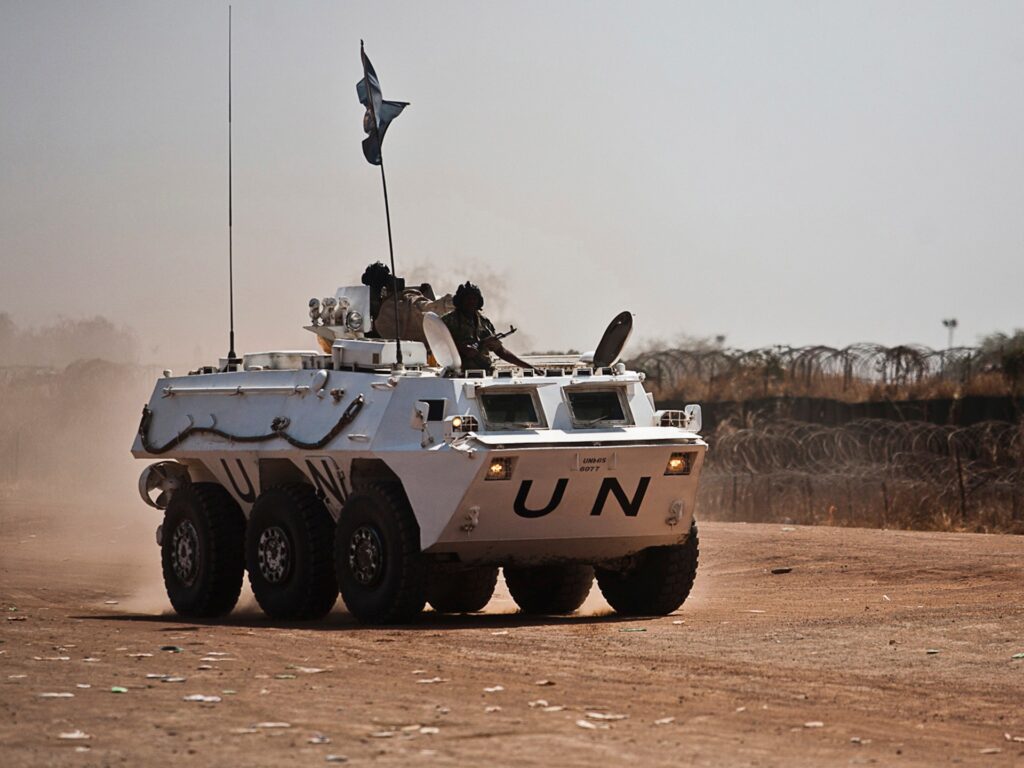
In response to the escalating conflict, the United Nations Interim Security Force for Abyei (UNISFA) has ramped up its security operations in the area. The peacekeeping force has strengthened their presence on the ground, deploying additional troops and resources to try and stabilize the situation and prevent further loss of life.
UNISFA has emphasized the importance of protecting civilians caught in the crossfire and has called on both governments to exercise restraint and engage in meaningful dialogue to resolve their differences peacefully. The Abyei region has long been contentious due to its rich oil reserves and ethnically mixed population, making it a flashpoint for recurring tensions.
Local authorities have reported disruptions to daily life, with many residents fleeing conflict zones to seek safety. Humanitarian agencies are concerned about the impact of the fighting on vulnerable populations, including access to food, medical care, and shelter.
The international community has expressed alarm over the clashes and reiterated calls for a peaceful resolution. Diplomatic efforts are underway to negotiate ceasefires and establish frameworks for long-term peace in the border area.
The recent surge in violence threatens to undermine years of fragile peace efforts that followed South Sudan’s independence in 2011. Analysts warn that without sustained engagement and cooperation between Sudan and South Sudan, the cycle of violence may continue, destabilizing the broader region.
Stakeholders are urging all parties involved to prioritize humanitarian needs and work towards de-escalation. The role of UNISFA remains crucial as they navigate the challenging mission of maintaining peace and security in an area marked by deep-rooted grievances and ongoing disputes.
As the situation develops, attention remains focused on the border region, where the quest for peace faces significant hurdles amidst the ongoing clashes and political complexities. The hope remains that with continued international support and local commitment, a lasting resolution can be achieved, ensuring stability and safety for the people of both nations.