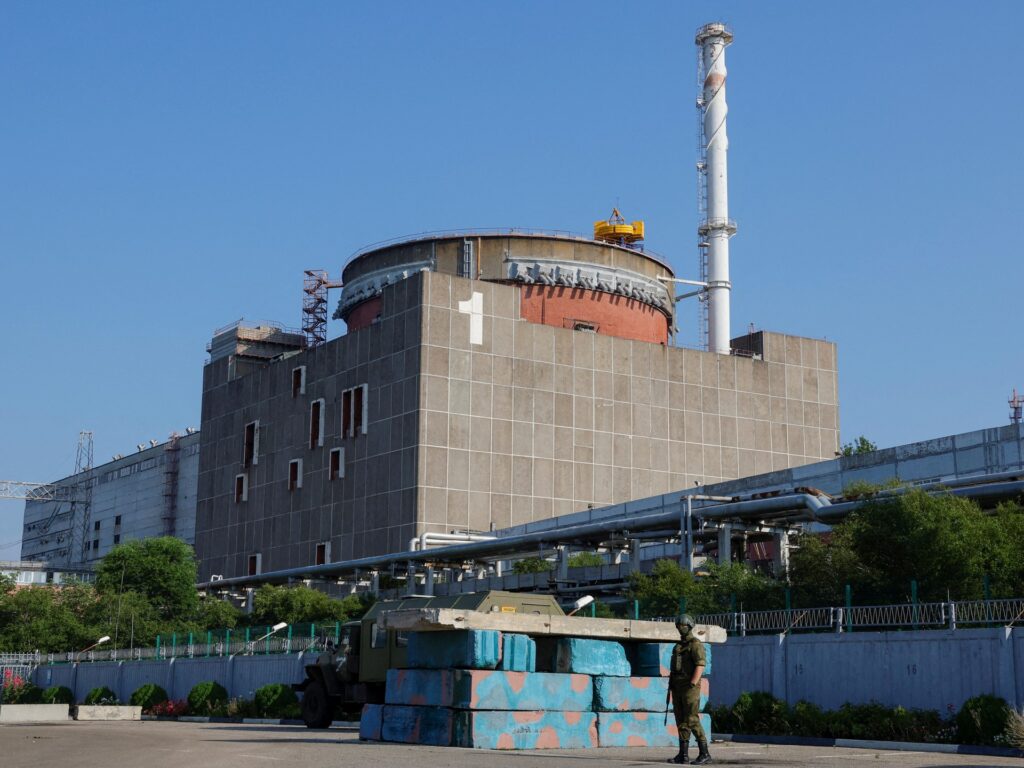
A recent investigation by Greenpeace has brought to light serious allegations against Russia concerning the Zaporizhzhia nuclear power plant, one of Europe’s largest nuclear facilities. According to Greenpeace’s findings, there is no evidence supporting Russia’s claims that Ukrainian forces have attacked the plant. Instead, the investigation points towards Russia as being responsible for sabotage affecting the power supply lines of the plant.
The Zaporizhzhia nuclear power plant has become a focal point of intense conflict and political tension amid the ongoing war in Ukraine. Reports of shelling and damage to infrastructure around the plant have raised international alarms over potential nuclear safety risks. Russia has repeatedly accused Ukraine of attempting to damage the facility, which would pose catastrophic consequences.
Greenpeace’s inquiry, however, contradicts these accusations. Their investigation included on-the-ground inspections, analysis of satellite imagery, and technical evaluations of the damage sustained by the plant’s power lines. The findings suggest deliberate actions obstructing and damaging the power supply lines originated from Russian forces, undermining the operational safety and stability of the plant.
Critically, maintaining continuous power supply to the Zaporizhzhia plant is essential for its cooling systems, without which the risk of overheating and possible meltdown rises significantly. The sabotage of these lines is not only a direct threat to nuclear safety but also a violation of international norms protecting civilian infrastructure during conflicts.
The international community has expressed grave concern about the situation at Zaporizhzhia. United Nations officials and nuclear watchdog groups have repeatedly called for a demilitarized zone around the plant to ensure safe operations. Greenpeace’s report adds weight to these calls by highlighting the intentional disruptions caused by Russian actions.
This situation further complicates the geopolitical landscape, with information warfare and propaganda playing critical roles alongside conventional military actions. The differing narratives from Russia and Ukraine about who is responsible for the plant’s jeopardy have added to the tension and confusion.
Environmental and nuclear safety experts warn that continued conflict in the area threatens not just Ukraine but neighboring countries as well. A severe incident at Zaporizhzhia could lead to widespread radioactive contamination similar to the Chernobyl disaster in 1986.
Greenpeace’s findings aim to prompt international bodies to reassess their stance and response strategies regarding the conflict and nuclear safety measures. The organization urges an immediate cessation of all aggressive actions targeting the nuclear facility and calls for enhanced monitoring and protective measures.
In conclusion, while accusations have been exchanged between Russia and Ukraine, Greenpeace’s independent investigation shifts the blame onto Russia for sabotaging the Zaporizhzhia nuclear power plant’s power supply lines. This revelation necessitates urgent international attention to prevent a possible nuclear disaster and to ensure the plant’s secure and safe operation amid ongoing hostilities.