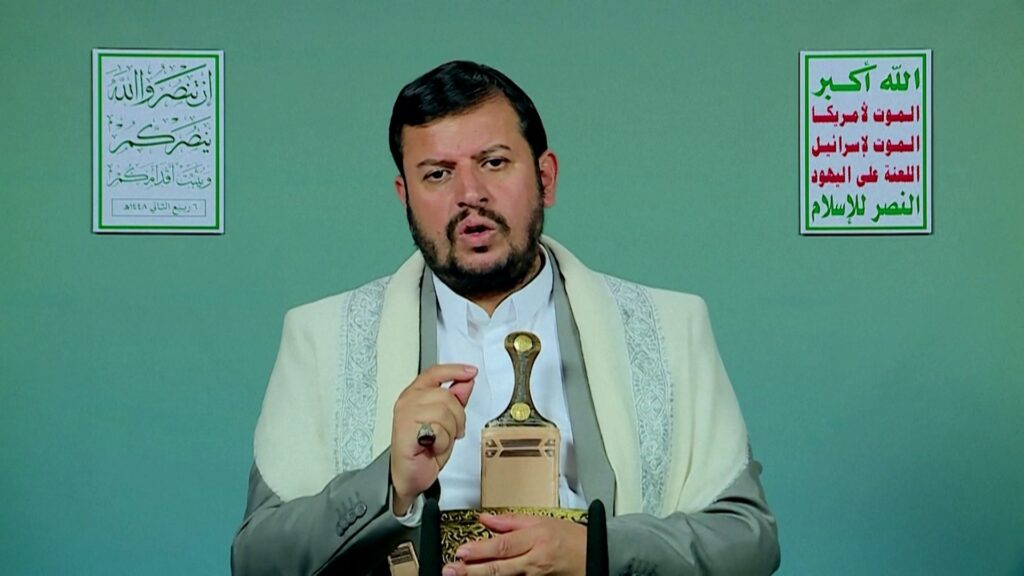
In a recent statement, Houthi leader Abdul Malik al-Houthi has firmly denied any involvement in attacks targeting Mecca, one of Islam’s most sacred cities. Al-Houthi emphasized his group’s commitment to protecting Mecca and other important Islamic holy sites, underscoring the city’s religious significance and the need to safeguard it from harm.
The conflict involving the Houthi movement has often drawn international attention and concern, with various claims and accusations about actions impacting civilian locations and religious sites. Abdul Malik al-Houthi’s declaration seeks to clarify the Houthis’ stance and dispel rumors or reports accusing them of threatening Mecca.
Al-Houthi’s pledge signals the group’s attempt to align their actions with the broader respect for Islamic heritage that resonates deeply with Muslims worldwide. Mecca, home to the Kaaba and the Masjid al-Haram, holds a universal spiritual importance as the qibla direction for Muslim prayers and the destination for the annual Hajj pilgrimage.
The Houthi leader’s assurance to protect the city underscores the symbolic value Mecca holds beyond its geographical boundaries. It reflects an understanding that any threat to Mecca would provoke widespread outrage and deepen conflicts within the Muslim community globally.
While the situation in the region remains tense due to ongoing conflicts, such statements play a crucial role in diplomatic and religious dialogue. They aim to prevent escalation of violence around sensitive locations and promote peace among factions involved in the broader Middle Eastern instability.
Observers note that the Houthis’ stance, as articulated by Abdul Malik al-Houthi, could influence perceptions among other Islamic groups and international actors. The commitment to defend the holy city might be seen as an attempt to foster legitimacy and moral authority amid contentious political and military challenges.
This reaffirmation by the Houthi leadership comes at a time when the Middle East faces numerous security concerns, with various factions vying for influence and control. The protection of sacred sites like Mecca remains a unifying factor transcending sectarian divisions.
The international community has generally advocated for the preservation of religious heritage and condemns attacks on places of worship. Al-Houthi’s statement adds a layer to ongoing efforts ensuring that conflicts do not erode the sanctity of key religious sites.
In conclusion, Abdul Malik al-Houthi’s firm denial of targeting Mecca and his vow to protect the holy city highlight the broader significance of honoring religious landmarks amid conflict. This stance may contribute to maintaining peace and respect for Islamic sacred spaces in a region fraught with turmoil.