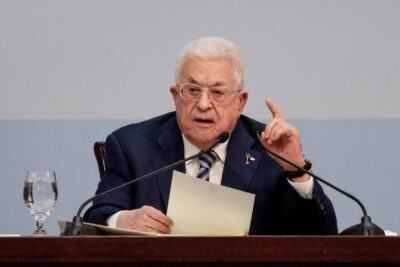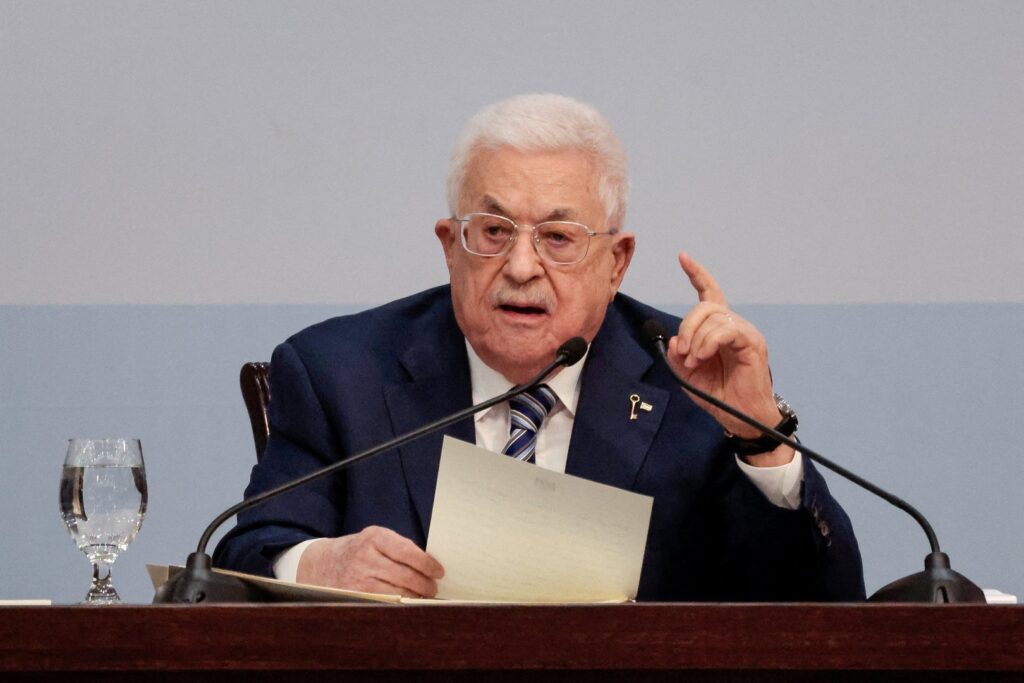
For the second year in a row, the United States has refused to grant a visa to Palestinian President Mahmoud Abbas, barring him from attending the United Nations General Assembly (UNGA) in New York. This unprecedented move underscores the ongoing tensions between the US administration and the Palestinian leadership.
The US decision to deny the visa is seen as a significant diplomatic snub. President Abbas, who has been a prominent figure in Middle East politics for decades, usually attends the UNGA to address issues concerning Palestinian statehood and peace negotiations with Israel.
Washington’s refusal stems from strained relations and disagreements over the peace process, as well as broader geopolitical considerations. US officials have not publicly detailed the specific reasons for the visa denial, but the action aligns with American policy measures that have increasingly isolated the Palestinian leadership on the international stage.
This visa denial parallels the US administration’s broader stance on the Israeli-Palestinian conflict, including support for Israel and skepticism towards Palestinian political strategies. Supporters of the decision argue it is a necessary stance to pressure Palestinian authorities towards renewed dialogue and reconciliation efforts.
However, critics argue that barring a head of state from addressing the UNGA impedes diplomatic engagement and undermines the UN’s role as a neutral forum for conflict resolution. Many international observers view this as a setback for peace efforts and an obstacle to meaningful dialogue.
The UN General Assembly is one of the rare platforms where global leaders directly address conflict issues and seek international support. By preventing President Abbas from attending, the US has effectively restricted the Palestinian voice in this crucial forum.
This decision has drawn reactions from various international actors. Some countries have expressed concern over the implications for diplomatic relations and the peace process. The move could potentially embolden hardline positions on both sides, further complicating the prospects for conflict resolution.
Palestinian representatives have condemned the visa refusal, labeling it a violation of international norms and an affront to Palestinian sovereignty. They assert that President Abbas’s attendance is vital for conveying the Palestinian narrative and advocating for their national rights.
The US has historically played a central role in mediating Israeli-Palestinian peace talks, but measures such as this visa denial highlight the fraught nature of US-Palestinian relations in recent years. The broader impact of this development is yet to be fully discerned, but it is certain to influence diplomatic dynamics within the UN and beyond.
In summary, the US barring Palestinian President Mahmoud Abbas from attending the UN General Assembly for the second consecutive year reflects deep geopolitical rifts and presents new challenges to the international community’s efforts to address one of the world’s longest-standing conflicts. The consequences of this move will likely resonate throughout future peace negotiations and the ongoing dialogue on Middle East stability.