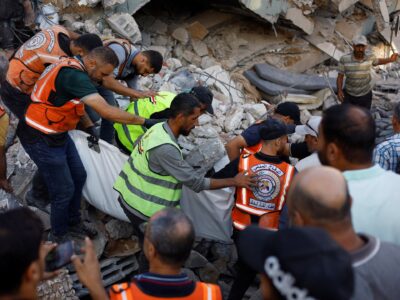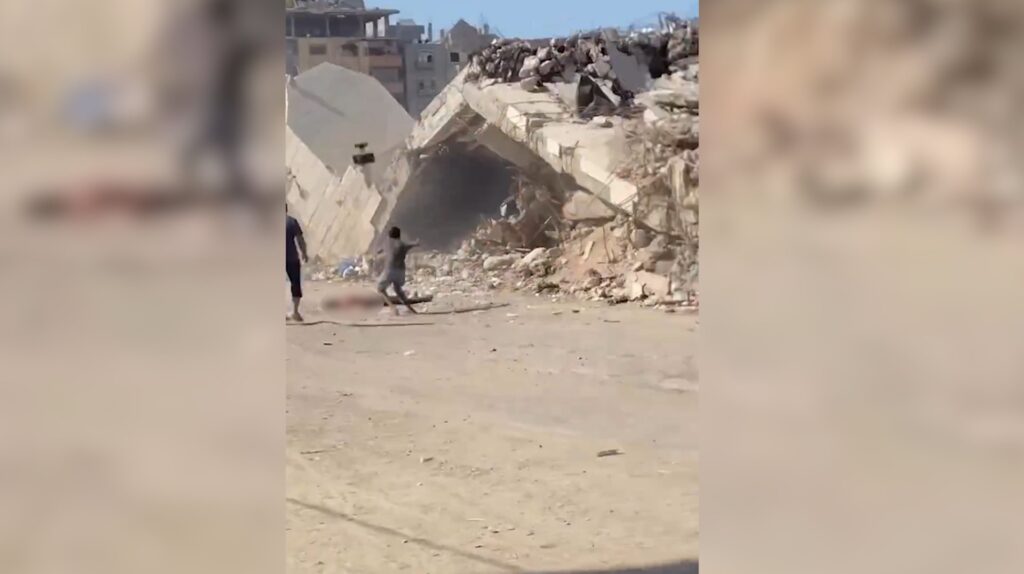
In a tragic incident in Gaza, a 15-year-old child was killed in an Israeli double-tap strike while attempting to aid a paramedic wounded in a prior attack. The double-tap strike, a military tactic involving an initial strike followed by a second one targeting responders and survivors, once again raised concerns about the impact on civilians and medical personnel in conflict zones.
The child, whose identity has not been disclosed, was reportedly rushing to assist the injured paramedic after the first attack. Unfortunately, the second strike struck moments later, resulting in the deaths of both the young boy and the paramedic. This incident highlights the grave dangers faced by emergency responders in conflict areas and the particular vulnerability of children caught in the crossfire.
Witnesses and local authorities condemned the strike, emphasizing the humanitarian implications and the need for adherence to international laws protecting civilians during armed conflicts. The use of double-tap strikes has been criticized globally for disproportionately affecting non-combatants, including medical personnel who are obligated to provide care to the wounded.
The Gaza Strip has been a recurrent flashpoint of violence, with frequent military operations and airstrikes leading to significant civilian casualties. The loss of a young life, especially in such circumstances where the child was acting selflessly to save another, has sparked outrage and calls for accountability from human rights organizations.
International bodies have repeatedly urged for restraint and the protection of medical workers under the Geneva Conventions, which explicitly prohibit attacks on medical personnel and facilities. Despite these calls, incidents such as the recent double-tap strike demonstrate ongoing challenges in enforcing these protections on the ground.
The families of the victims and local communities mourn the loss and plea for a peaceful resolution to the ongoing conflict that exposes innocent lives to harm. The incident serves as a somber reminder of the human cost of warfare and the critical need for dialogue and de-escalation to prevent further tragedies.
As investigations continue and more information emerges, this event is likely to spur renewed discussions on the conduct of military operations and the imperative to safeguard civilians and emergency responders from harm.
The international community watches closely, hoping for measures to ensure that medical personnel can operate safely and that the children of Gaza can live free from the fears of violence and loss.