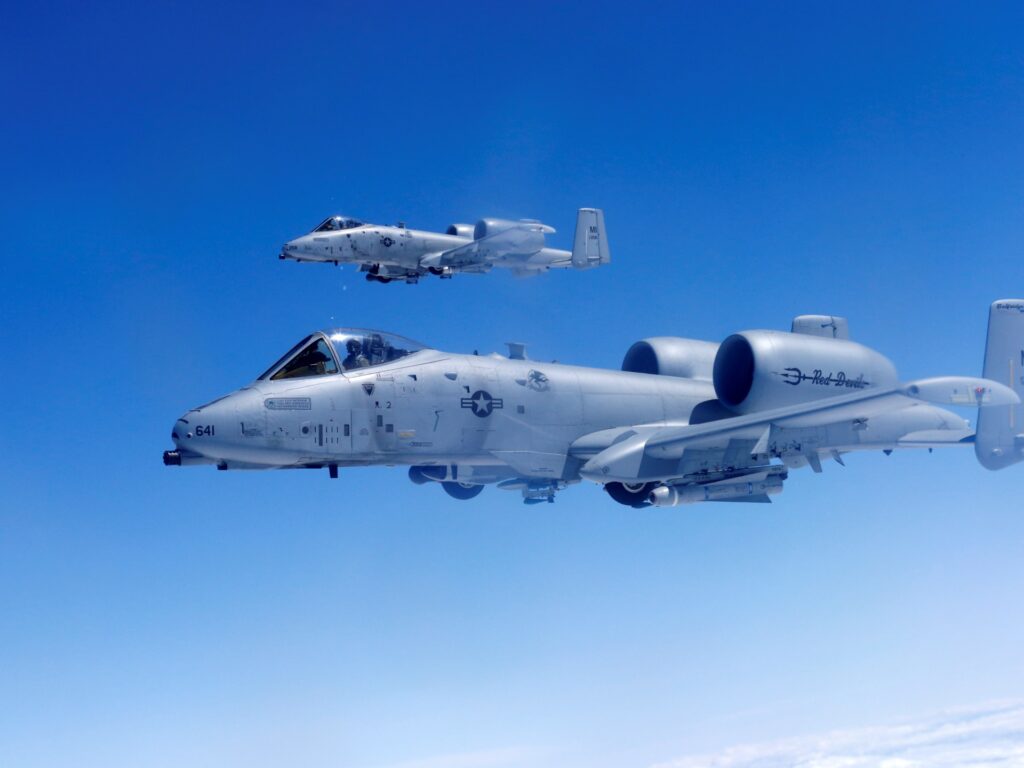
In a significant escalation of regional tensions, a NATO jet has shot down a suspected Russian drone over Lithuanian airspace. This incident has intensified fears that the conflict in Ukraine is starting to spill over into neighboring countries, raising concerns about a broader confrontation in Eastern Europe.
The Lithuanian authorities detected the drone as it entered their airspace, prompting a swift response from NATO forces. A NATO jet intercepted and subsequently shot down the unmanned aerial vehicle (UAV), which is believed to be of Russian origin. Officials have not yet confirmed the drone’s exact mission, but the incursion is seen as a provocative act amid the already heightened regional security situation.
The European Union’s chief has issued a stern warning about the potential for the conflict to widen, emphasizing that border incursions like this could trigger a larger confrontation. “We are deeply concerned about the increasing number of violations and provocative actions near our borders,” the EU chief stated. “These incidents risk escalating tensions beyond the current conflict zone in Ukraine.”
Since the outbreak of the war in Ukraine, neighboring countries such as Lithuania have been on high alert, fearing spillover effects. Lithuania, a NATO member and part of the Baltic States, shares a border with the Russian exclave of Kaliningrad and Belarus, both of which have strategic ties with Moscow.
This latest event marks one of the few direct engagements involving NATO forces and elements believed to be linked to Russia, underscoring the growing risks faced by countries in the region. NATO has reiterated its commitment to defending the sovereignty and territorial integrity of its members, reiterating that any aggression will be met with a collective and robust response.
Military analysts warn that drones have become a critical tool in modern warfare, used for reconnaissance, intelligence gathering, and sometimes offensive operations. The use of drones near NATO’s borders represents a new level of engagement, potentially testing the alliance’s resolve and response capabilities.
Lithuania’s government has condemned the incursion, calling it a violation of international law and an attempt to destabilize the region. The defense ministry announced that it is bolstering air defense measures and improving surveillance capabilities to prevent future incidents.
The incident also adds pressure on diplomatic efforts aimed at resolving the Ukraine conflict. With heightened military activities and frequent border tensions, the prospects for peace talks appear increasingly fragile.
As the crisis unfolds, NATO members are convening to discuss measures to enhance security and deter further incursions. The alliance’s official stance remains clear: any threat to a member state will invoke a collective defense response under Article 5 of the NATO treaty.
The shooting down of the drone is a stark reminder of the conflict’s expanding scope and the urgent need for diplomatic and strategic solutions. Regional stability hangs in the balance as NATO and the EU navigate this volatile situation, striving to prevent a larger conflict while supporting Ukraine’s fight for sovereignty.
In conclusion, the NATO jet’s downing of a suspected Russian drone over Lithuania signals a risky escalation in Eastern Europe. With warnings from the EU and increased military readiness from NATO, the international community watches closely, hoping to avoid a broader war while addressing the underlying tensions driving this crisis.