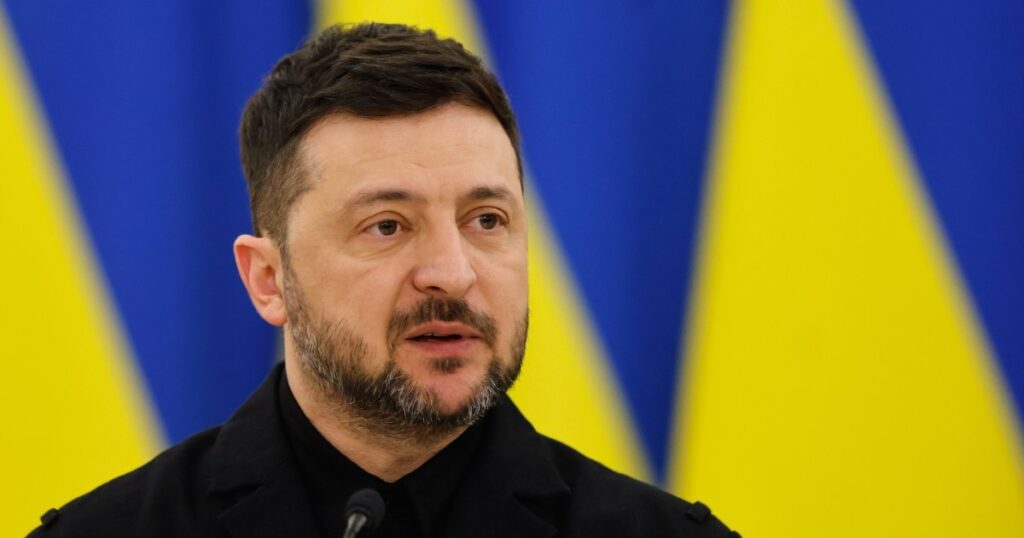
In a notable development amid ongoing tensions between Ukraine and Russia, Ukrainian President Volodymyr Zelenskyy has announced a willingness to pause Ukrainian military attacks, conditional upon Russia refraining from targeting Ukrainian infrastructure. This proposition marks a significant diplomatic gesture from Ukraine, aimed at de-escalating the hostilities that have engulfed the region.
Zelenskyy’s stance emphasizes that the potential for de-escalation is closely tied to concrete guarantees from both sides, particularly pointing to the role of the United States in ensuring Russia’s genuine preparedness to halt war activities and attacks against Ukraine. He articulated that the prospect of a ceasefire or reduction in military engagements hinges on verified commitments and actions demonstrating Russia’s intent to suspend aggressive operations.
The Ukrainian leader’s statement underscores the critical importance of protecting civilian infrastructure, which has been severely affected throughout the conflict. Damage to power plants, water supplies, and communication networks has not only crippled Ukraine’s essential services but also caused widespread suffering among the civilian population. Zelenskyy’s proposal aims to create a pause that would allow for repair and stabilization, reducing further harm to the population.
From a broader geopolitical perspective, this development signals a willingness by Ukraine to pursue peace, provided there is reciprocal goodwill from Russia and robust diplomatic enforcement by international partners, notably the US. Zelenskyy’s demand for US involvement in guaranteeing Russia’s intention to end the attacks reflects the reliance on international diplomacy and supervision to ensure any ceasefire holds.
The call for a pause in attacks aligns with numerous global humanitarian appeals for an end to the conflict, which has resulted in thousands of casualties and displaced persons. It highlights Ukraine’s prioritization of civilian safety and infrastructure preservation despite ongoing hostilities.
While the details of how the pause would be monitored and verified remain to be outlined, Zelenskyy’s announcement sets a framework for potential negotiations. It implies a phased approach whereby Ukraine could halt operations if Russia concurrently commits to refraining from strikes on critical infrastructure, potentially paving the way for a cessation of broader hostilities.
Analysts note this move places the ball in Russia’s court, testing its willingness to reciprocate and engage sincerely in de-escalation efforts. It also enhances the diplomatic leverage of the United States and other international actors tasked with mediating the conflict and ensuring compliance with any agreements reached.
The announcement from Zelenskyy arrives at a time when both sides have incurred significant losses and the humanitarian situation within Ukraine continues to deteriorate. This pause, if realized, would provide a critical respite for civilians and an opportunity for diplomatic dialogue to advance.
In summary, President Zelenskyy’s proposal of pausing Ukrainian attacks contingent on Russia abstaining from targeting infrastructure represents a strategic attempt to shift toward peace. He underscores that successful de-escalation depends on rigorous, verifiable commitments backed by US assurance of Russia’s genuine readiness to cease hostilities. The international community waits to see if this overture will lead to substantive steps toward ending the conflict and restoring stability in the region.