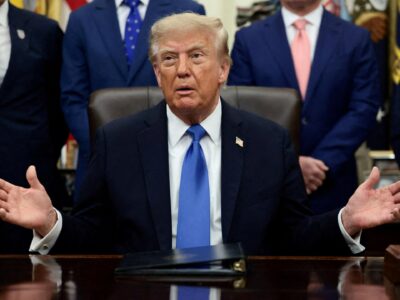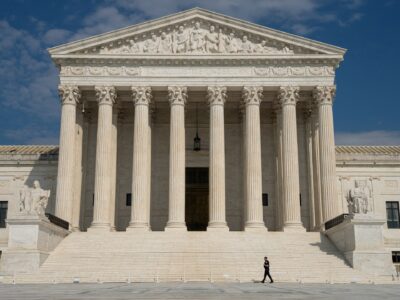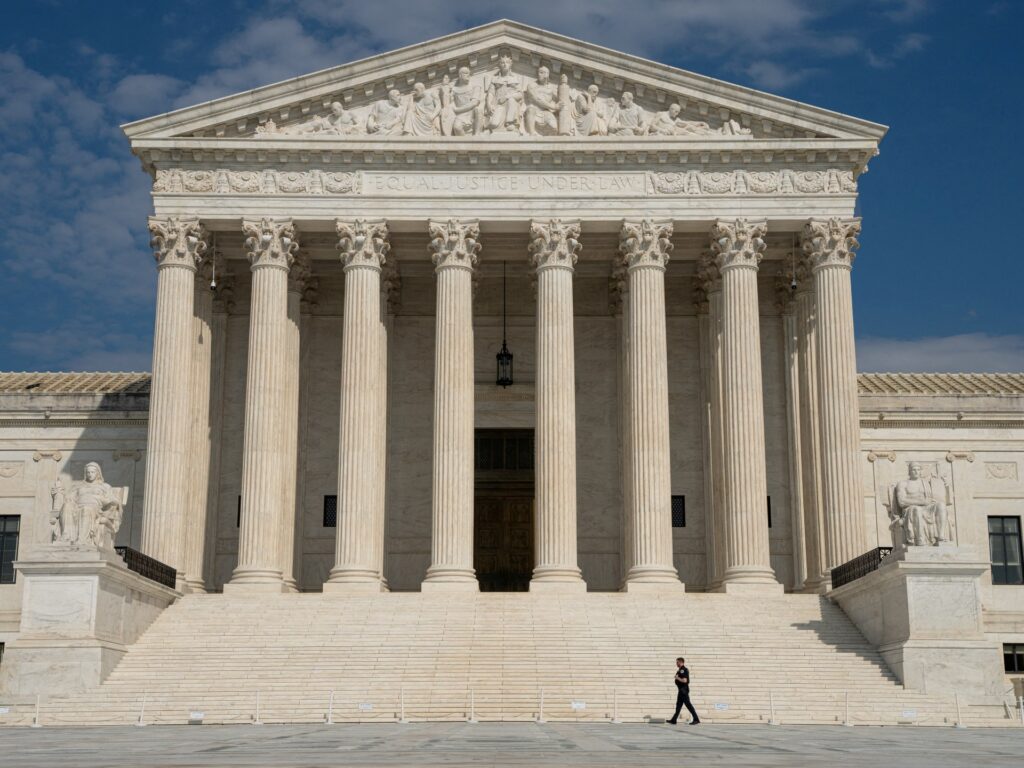
In a significant decision impacting the upcoming midterm elections, the United States Supreme Court has rejected former President Donald Trump’s efforts to tighten the rules surrounding mail-in voting. This ruling comes at a crucial time as the nation prepares for highly contested congressional and state elections slated for November.
The court’s decision prohibits the implementation of stricter regulations on mail ballots that had been advocated by Trump and his supporters. These proposed restrictions were intended to impose more stringent verification processes and limitations on mail-in voting, methods Trump argued were susceptible to fraud. However, critics countered that such measures would unfairly disenfranchise voters and disproportionately affect minority communities.
Mail-in voting has been a contentious topic in American politics, especially following the 2020 presidential election where its extensive use raised debates on election security and accessibility. Trump’s campaign repeatedly claimed that mail-in voting led to widespread fraud, allegations that were widely disputed by election officials and independent observers.
The Supreme Court’s refusal to endorse new restrictions effectively maintains the current federal and state guidelines governing mail ballots, many of which were expanded during the COVID-19 pandemic to facilitate safer voter participation. Election experts have noted that mail-in voting remains a critical avenue for voter engagement, particularly among people who cannot physically attend polling stations due to health, mobility, or scheduling reasons.
Legal analysts suggest the ruling underscores the court’s reluctance to intervene in election administration close to Election Day, as judicial restraint has been a prevailing theme in recent election-related cases. The decision could have a substantial impact on voter turnout and the political landscape in key battleground states, where mail-in voting is heavily utilized.
Political reactions to the ruling have been sharply divided. Supporters of mail-in voting hailed the Supreme Court’s move as a victory for democracy and voter rights, emphasizing the importance of accessible voting mechanisms. Meanwhile, Trump allies expressed disappointment, asserting that the court missed an opportunity to curb potential election irregularities.
As the midterm elections approach, the focus on mail-in voting rules remains intense, reflecting broader national debates on election integrity and participation. Voters and officials alike continue to prepare for what is expected to be a fiercely competitive and closely watched election cycle across the country.
This decision marks another chapter in the ongoing legal and political battles over voting rights in the United States, highlighting the complexities surrounding election policies in a deeply polarized environment. The Supreme Court’s stance may influence future cases and legislative efforts aimed at shaping the electoral process in years to come.