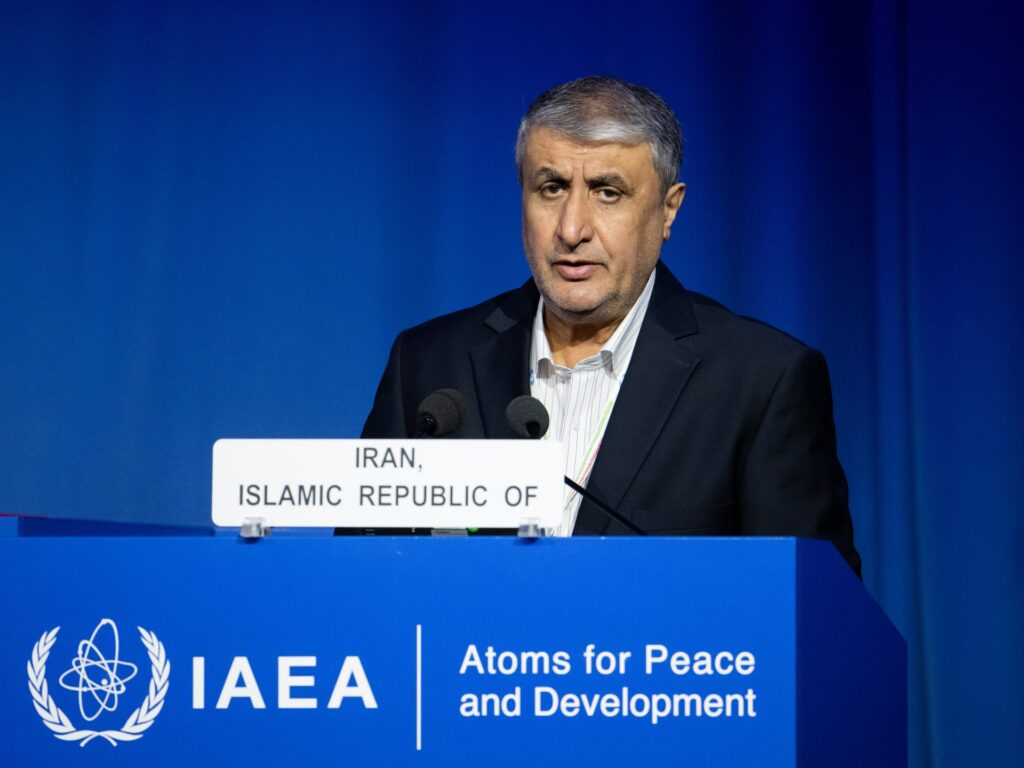
In a significant diplomatic move, the United States has successfully blocked Iran’s nuclear chief, Mohammad Eslami, from attending the International Atomic Energy Agency (IAEA) conference in Vienna. This development has added a new layer of tension to the already strained relations between the US and Iran concerning nuclear negotiations and oversight.
The decision to prevent Eslami’s attendance came amid heightened concerns over Iran’s nuclear program and international efforts to monitor its developments closely. The US government reportedly exerted pressure on Austria, the host country of the IAEA conference, to revoke Eslami’s visa, thereby barring his entry into Vienna for the meeting.
Iranian officials have strongly condemned the move, accusing the US of violating the rights of a member state by interfering with Iran’s participation at the global nuclear watchdog’s conference. Tehran views this action as a breach of diplomatic norms and an attempt to undermine Iran’s standing in the international community.
Mohammad Eslami, who serves as the head of the Atomic Energy Organization of Iran, plays a crucial role in negotiating and communicating with international nuclear bodies. His absence from the IAEA meeting is seen as a setback for Iran’s ability to engage directly on nuclear issues and defend its policies.
The IAEA conference in Vienna is a key forum where member states discuss critical issues related to nuclear safety, security, and inspections. Eslami’s intended presence was expected to be significant for Iran as it faces international scrutiny and seeks to advance dialogue on its nuclear activities.
The US administration has justified its actions by citing national security concerns and the necessity to apply pressure on Iran over its nuclear ambitions. Washington aims to maintain a hardline stance amid ongoing negotiations related to Iran’s nuclear deal commitments.
Austria’s compliance with the US request to revoke the visa highlights the complex interplay of international diplomacy, where host nations must balance the interests of powerful allies with their obligations to global organizations like the IAEA.
Diplomatic analysts warn that this move could further complicate efforts to reach a comprehensive agreement on Iran’s nuclear program. It may also deepen mistrust between Iran and the West, potentially hindering constructive dialogue.
International reactions to the US action have been mixed, with some countries expressing concern over the precedent it sets for diplomatic engagement at multilateral forums. Others emphasize the importance of addressing nuclear non-proliferation challenges decisively.
The refusal to allow Eslami’s participation underscores the fragile state of international cooperation concerning Iran’s nuclear future. It raises questions about how the IAEA and its member states can effectively manage diplomatic tensions while fulfilling their mandates.
In response to the incident, Iran has called on the IAEA and the international community to uphold the principles of impartiality and respect for member state rights. Tehran insists that political interference should not impede the agency’s work or the participation of its officials.
The US move is part of a broader strategy to exert maximum pressure on Iran through diplomatic, economic, and political means. It reflects Washington’s determination to prevent Iran from advancing its nuclear capabilities unchecked.
Meanwhile, the IAEA has emphasized its commitment to maintaining an inclusive and impartial platform for all member states, fostering dialogue and cooperation despite geopolitical challenges.
The situation remains fluid, with both Iran and the US closely monitoring developments at the IAEA and in the broader international milieu. Future conferences and negotiations will likely be influenced by this episode, shaping the trajectory of nuclear diplomacy.
Experts suggest that constructive engagement and mutual respect for protocols are essential to resolving the complex issues surrounding Iran’s nuclear program. The current impasse signals the need for renewed efforts to rebuild trust and facilitate meaningful dialogue.
As the IAEA conference proceeds without Iran’s nuclear chief, global attention remains focused on the implications of this diplomatic standoff. The outcome will have significant ramifications for nuclear non-proliferation, regional security, and international relations.
This incident serves as a poignant reminder of the challenges faced by multilateral institutions in addressing contentious geopolitical matters. The balance between enforcing regulations and respecting sovereign rights remains a delicate and ongoing test.
In conclusion, the US blocking Mohammad Eslami from the IAEA conference in Vienna represents a pivotal moment in the ongoing saga of Iran’s nuclear ambitions. The repercussions of this action will resonate across diplomatic circles and impact future negotiations aimed at ensuring nuclear safety and security worldwide.