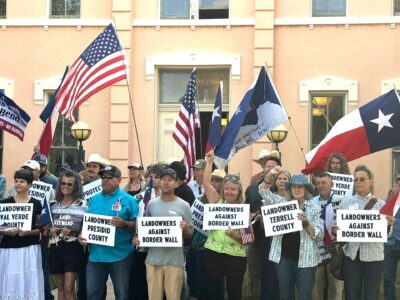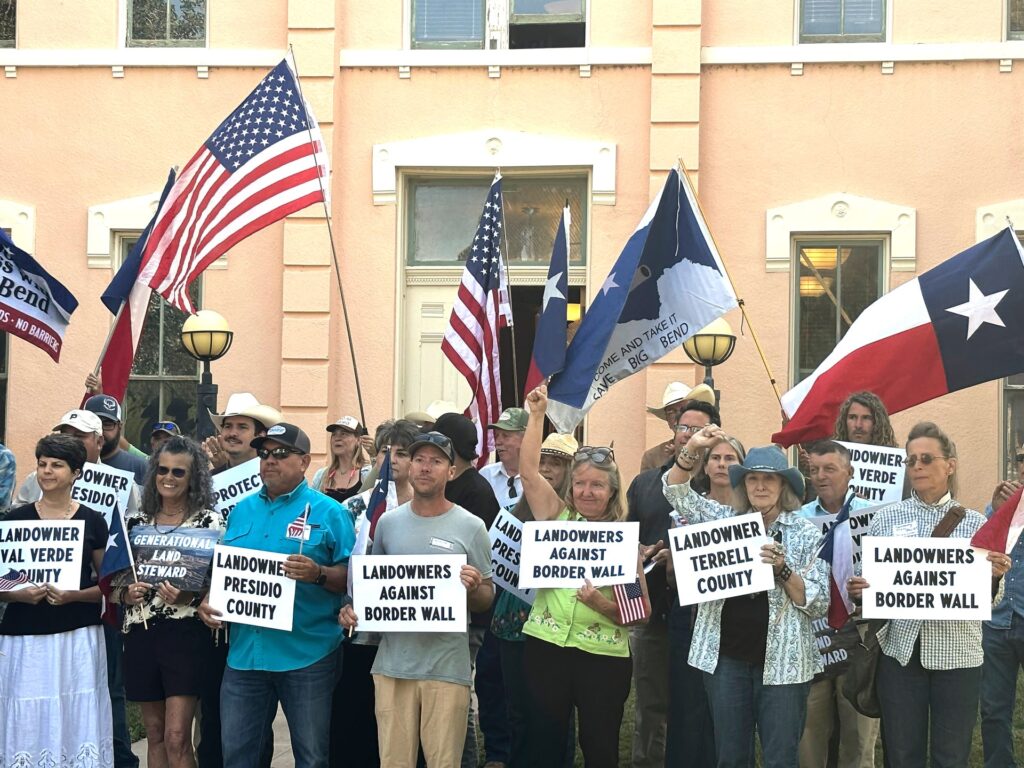
In Texas, a group of landowners has taken legal action to prevent the construction of former President Donald Trump’s border wall on their properties. The wall, a cornerstone of Trump’s immigration policy, has faced significant opposition from various groups including Indigenous communities, environmentalists, and local residents. These opponents raise concerns about the environmental impact, cultural site disturbances, and the rights of private landowners.
The specific focus of this opposition is in the Big Bend region of Texas, a remote area along the U.S.-Mexico border known for its vast natural landscapes and low incidence of border-related arrests, accounting for only about 1 percent of such activities in the broader border zone. The landowners’ court action emphasizes that the wall would not only infringe on private property rights but also disrupt the fragile ecosystem and the cultural heritage of Indigenous peoples who have historically inhabited the region.
Environmental groups have highlighted the potential damage to wildlife corridors and natural habitats that the wall could cause, threatening biodiversity and the integrity of protected areas. Indigenous leaders also stress that the wall undermines their ancestral lands and spiritual sites, further marginalizing their communities.
Local residents express concerns about the wall dividing communities and harming the region’s economic development, which relies significantly on tourism and conservation efforts. The legal challenge aims to halt construction until a thorough review of the wall’s impact on the environment, cultural sites, and private property rights is conducted.
This confrontation reflects broader national debates over immigration policy, border security, and the balance between national interests and local rights. While proponents of the wall argue it is necessary for controlling illegal immigration and enhancing national security, opponents call for comprehensive reforms that address the humanitarian, environmental, and social complexities of border management.
The court’s decision on this case will be closely watched as it could set precedents for future infrastructure projects along the border and influence how the U.S. government navigates conflicts between federal initiatives and local stakeholders’ rights. For now, the landowners’ legal efforts represent a significant challenge to the continuation of Trump’s border wall in a part of Texas where community and environmental concerns are profoundly felt.