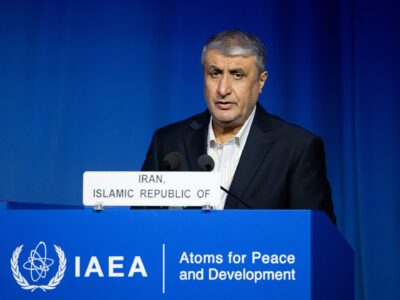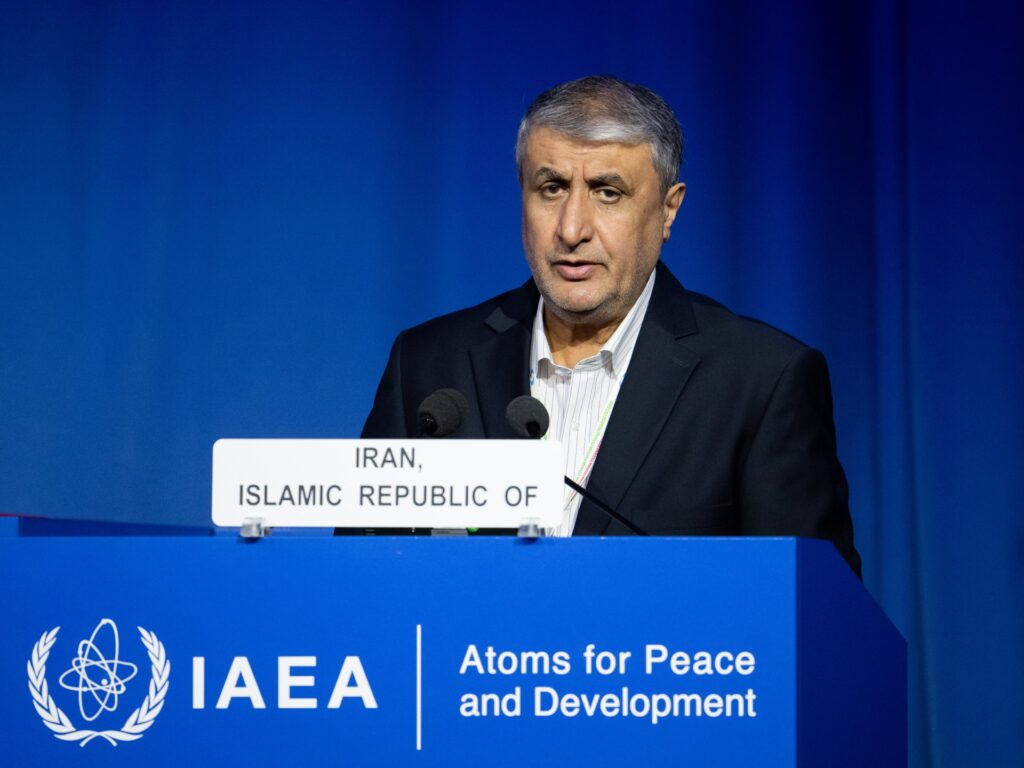
In a significant diplomatic development, the United States has blocked Iran’s nuclear chief, Mohammad Eslami, from attending a crucial nuclear talks conference in Vienna. This move has escalated tensions between the two countries at a time when diplomatic negotiations are critical for addressing concerns over Iran’s nuclear program.
Mohammad Eslami was set to participate in discussions aimed at reviving the Joint Comprehensive Plan of Action (JCPOA), commonly known as the Iran nuclear deal. The deal, which was initially agreed upon in 2015, had placed limits on Iran’s nuclear activities in exchange for sanctions relief from the international community.
However, the US government’s decision to intervene and prevent Eslami’s attendance has been met with strong criticism from Iran. Tehran has accused Washington of pressuring Austria, the host country of the Vienna conference, to revoke the visa issued to Eslami. Iran views this as an infringement of the rights that member states possess in international negotiations and an attempt to undermine the diplomatic process.
The Vienna conference is considered a key international event where stakeholders discuss vital matters related to nuclear non-proliferation and regional security. Iran’s absence, particularly that of its nuclear chief, could potentially hinder progress in these talks and complicate efforts to reach a consensus or revive the nuclear deal.
Iran’s Foreign Ministry spokesperson condemned the US action, stating that it damages the spirit of dialogue and cooperation necessary for resolving complex international issues. They argue that excluding key Iranian officials from negotiations contradicts the norms of international diplomacy and cooperation.
From the US perspective, the move to block Eslami stems from concerns over Iran’s nuclear ambitions and other related security issues. Washington maintains that it is necessary to apply pressure on Tehran to ensure compliance with international regulations and to prevent nuclear proliferation in the volatile Middle East region.
The incident raises questions about the future of the JCPOA negotiations, currently at a delicate juncture. Efforts to bring both the US and Iran back into full compliance with the agreement have been intermittent and fraught with setbacks.
Observers suggest that diplomatic efforts must find creative solutions to overcome such obstacles if the renewed negotiations are to succeed. The exclusion of a prominent figure like Eslami could set a precedent for further disruptions in the diplomatic process, ultimately affecting regional and global security.
Austria’s role as host and its diplomatic stance are also under scrutiny. While Vienna has traditionally been a neutral venue for international diplomacy, reports of US pressure on Austria may prompt Austria to reassess its approach to hosting sensitive talks and maintaining an impartial environment.
Experts believe that for any meaningful progress to occur, all parties must respect the roles and participation rights of participating countries’ delegations. The exclusion of any member is seen not only as an infringement on sovereign rights but also as a setback for multilateral diplomacy.
In conclusion, the US blocking Iran’s nuclear chief from attending the Vienna nuclear talks conference has complicated the already fragile diplomatic efforts aimed at resolving the Iran nuclear issue. With accusations of political pressure and violations of international norms, the path forward toward a diplomatic solution appears increasingly challenging.
The international community remains watchful as the situation unfolds, hoping for dialogue and cooperation to prevail over confrontation and unilateral actions. The immediate impact of this development will be seen in the next phases of the Vienna talks and how the involved parties respond to attempts at diplomatic exclusion and pressure.