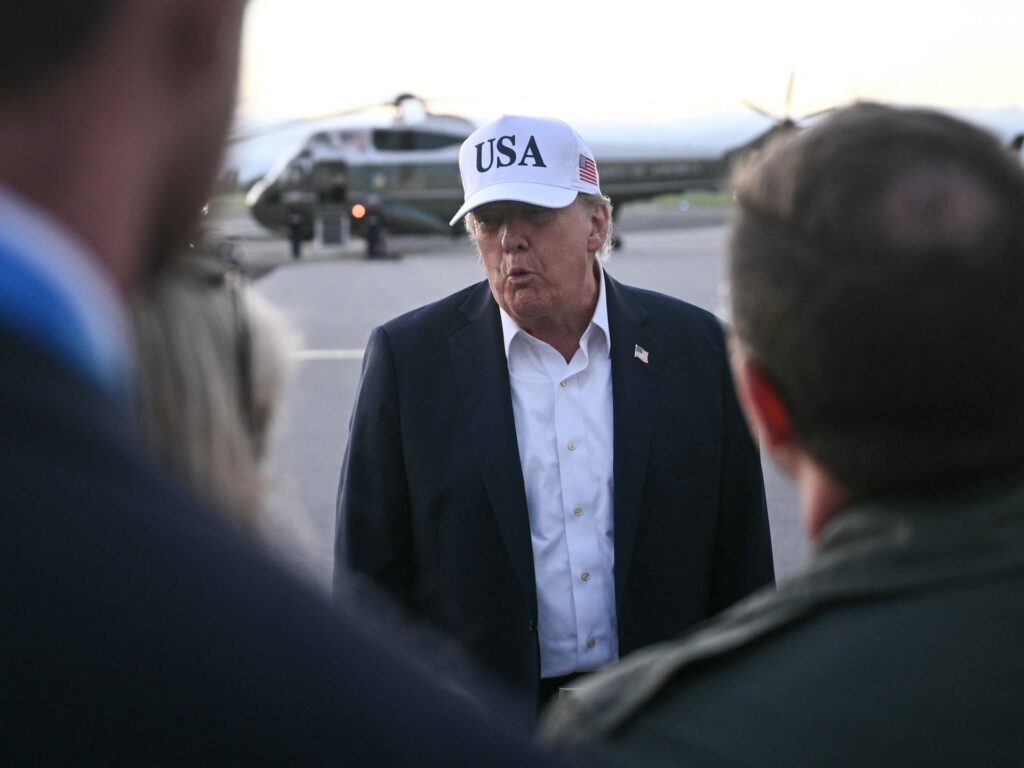
Former US President Donald Trump has openly criticized recent calls for heightened regulation and oversight of artificial intelligence (AI) technologies, describing them as a “SICK conspiracy.” During a public statement, Trump argued that existing controls on AI are sufficient and that imposing stricter regulations risks ceding technological leadership to China in the global AI race.
Trump’s remarks come amid growing international discussions about the ethical, security, and economic impacts of AI, where governments and experts worldwide are evaluating frameworks to manage AI development responsibly. Advocates for increased regulation emphasize the potential risks associated with unchecked AI, including privacy concerns, algorithmic biases, misinformation, and autonomous weaponry.
However, Trump insisted that further governmental controls would stifle innovation and undermine the United States’ competitive stance. He asserted that the current oversight mechanisms strike the right balance between fostering innovation and ensuring safety.
“We have enough regulation. More restrictions will only let China take the lead,” Trump said, underscoring his view that US technological dominance, particularly in AI, is critical for national security and economic prosperity.
China has made significant advances in AI research and deployment, which has sparked concerns among US policymakers about maintaining global technological superiority. Trump’s comments reflect a broader skepticism among some political leaders regarding regulatory approaches perceived as potentially hampering American innovation.
Critics of Trump’s position argue that without proper AI governance, the risks of misuse and unintended consequences could escalate, harm public trust, and negatively impact society at large. They advocate for carefully crafted laws and international cooperation to ensure responsible AI development.
The debate underscores the complexity of balancing innovation, safety, and global competition in AI technology development. As nations grapple with these challenges, policymakers must consider both the opportunities and potential threats posed by the rapidly evolving AI landscape.
In summary, Trump’s dismissal of intensified AI regulations as a conspiracy highlights the ongoing tension between innovation and oversight. His emphasis on outpacing rivals like China signals the geopolitical stakes tied to AI leadership, while raising questions about how best to protect public interests in this transformative technological era.