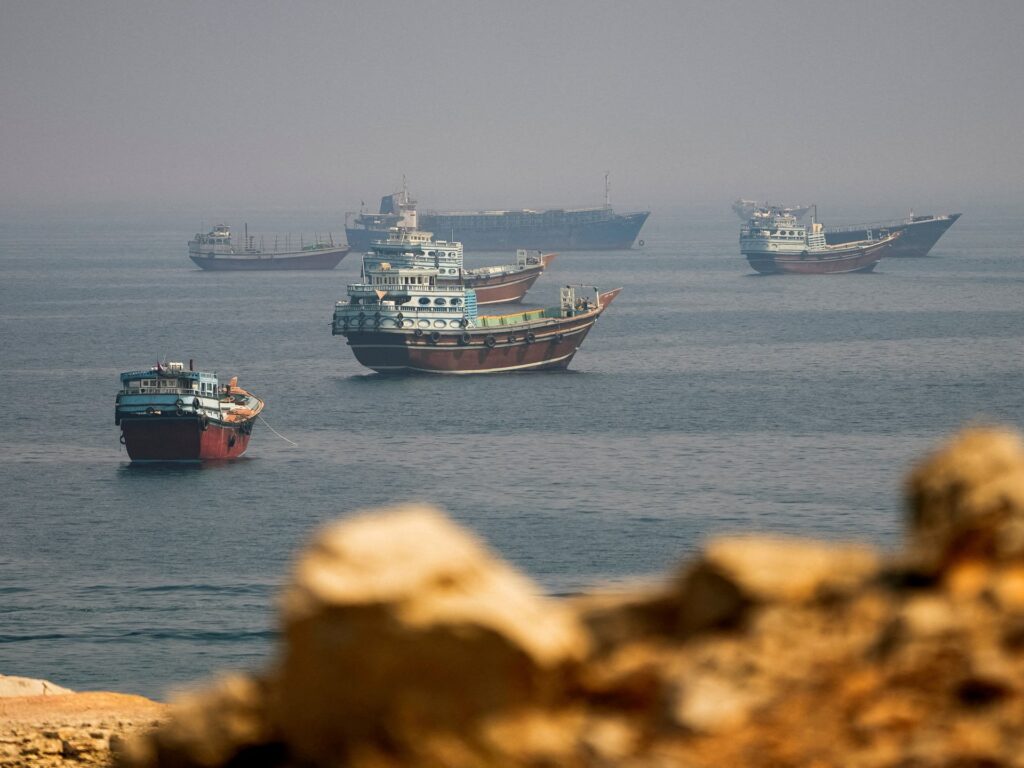
In a recent development, Tehran and Muscat have agreed to postpone their scheduled dialogue sessions, citing the need to establish a broader regional consensus before proceeding. This decision highlights the complexities and sensitivities involved in the ongoing geopolitical situation, particularly related to the tensions in the Strait of Hormuz, a critical chokepoint for global oil shipments.
Both Iran and Oman, with their strategic geographical positions adjoining the Strait of Hormuz, recognize the importance of stability in the region. The Strait has been a flashpoint for maritime security concerns and international diplomatic efforts due to its significance in global energy trade.
By choosing to delay talks, Tehran and Muscat aim to foster a more inclusive approach that incorporates voices from other regional stakeholders. This move is seen as an attempt to avoid unilateral decisions that could potentially escalate tensions or undermine the fragile peace in the Persian Gulf.
The announcement to put off the dialogue came after preliminary discussions that revealed differing priorities and perspectives among the involved parties. As a result, both capitals agreed that a comprehensive and unified stance would be more effective in addressing the security challenges and economic issues facing the area.
Experts suggest that this delay may provide an opportunity to build trust and enhance diplomatic engagement among Gulf nations and beyond. Furthermore, it underscores the complexities of regional diplomacy where multiple interests and external influences converge.
In parallel, international observers and maritime security analysts are closely monitoring the situation, emphasizing the significance of collaborative security frameworks to ensure the safe passage of vessels through the Strait.
The consensus-driven approach sought by Tehran and Muscat aligns with broader international calls for dialogue and cooperation to manage disputes peacefully without resorting to force or coercion.
While the delay naturally implies postponement of immediate conflict resolution, it could pave the way for a more sustainable and inclusive dialogue process that addresses core issues like maritime security, freedom of navigation, and economic cooperation.
In summary, the decision by Tehran and Muscat to delay their talks reflects a strategic choice to prioritize regional consensus amid heightened sensitivities in the Strait of Hormuz. This step underscores the challenges and potential pathways for fostering peace and stability in one of the world’s most geopolitically significant maritime corridors.