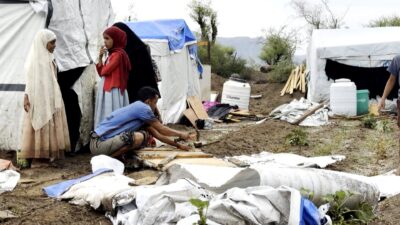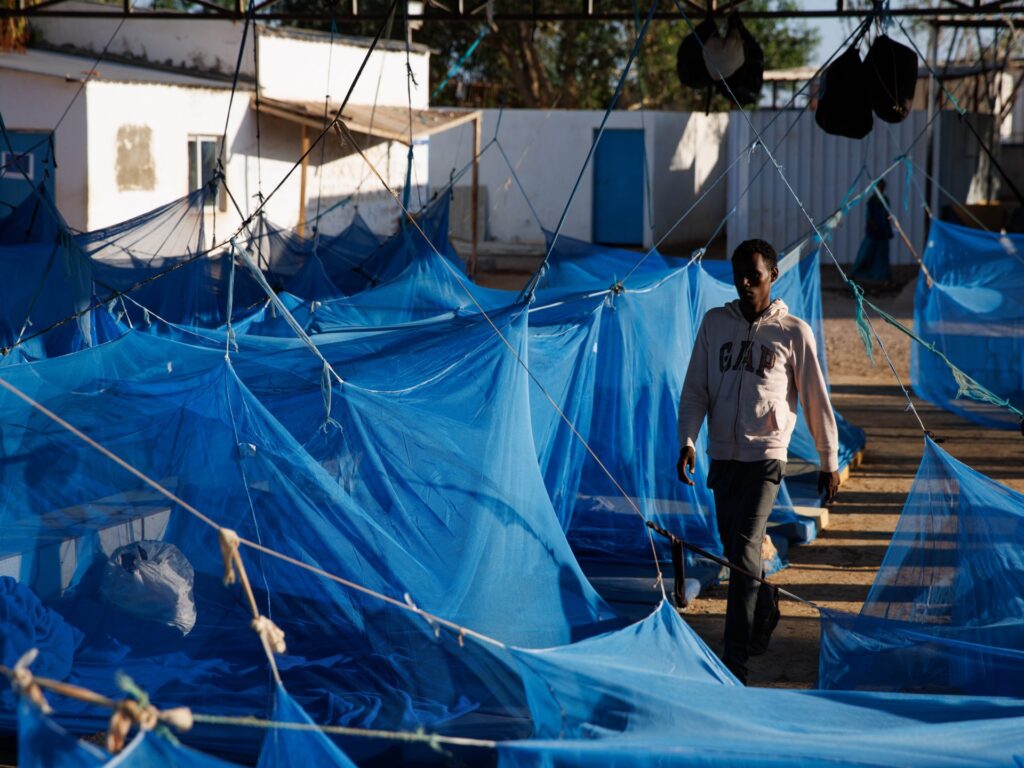
Within the span of just 24 hours, approximately 1,400 Yemenis have fled to Djibouti, seeking refuge from the escalating conflict in Yemen. The sudden influx of refugees arriving in Obock, a town in Djibouti close to the Yemeni border, highlights the intensifying crisis as the Houthi rebel movement tightens its control over the strategic Bab al-Mandeb strait.
The Bab al-Mandeb strait, a crucial maritime chokepoint connecting the Red Sea to the Gulf of Aden and the Arabian Sea, is vital for global shipping and oil transit. Control over this strait carries significant geopolitical importance, and the Houthis’ advances have increased tensions in the region.
The refugees arriving in Obock reportedly fled violence and insecurity caused by armed clashes, airstrikes, and bombings in various parts of Yemen, particularly in coastal areas adjacent to the Bab al-Mandeb strait. Many families are displaced, escaping amid fears of further military escalation and deteriorating humanitarian conditions.
Djibouti, a small but strategically positioned country in the Horn of Africa, has been a critical transit point and safe haven for refugees escaping conflicts in neighboring countries. The government and humanitarian organizations in Djibouti are mobilizing resources to provide emergency shelter, food, water, and medical assistance to the growing number of Yemeni refugees.
The surge in refugee numbers adds pressure to Djibouti’s infrastructure and resources, raising concerns about the capacity to support the newcomers safely and sustainably. Aid agencies emphasize the need for increased international support to respond effectively to the humanitarian emergency and prevent further displacement.
Meanwhile, the situation in Yemen remains volatile, with ongoing clashes between the Houthi forces and the internationally recognized Yemeni government supported by a Saudi-led coalition. The fighting has led to widespread destruction, economic collapse, and one of the world’s worst humanitarian crises.
International calls for ceasefire and renewed peace talks have so far yielded limited progress. The recent developments around the Bab al-Mandeb strait underscore the urgency of diplomatic efforts to ease the conflict, restore stability, and ensure safe passage for civilians escaping violence.
The plight of those who have fled to Djibouti reflects the broader regional impact of Yemen’s war. As the Houthis consolidate control over strategic areas, neighboring countries like Djibouti face increased challenges in managing the humanitarian fallout.
Efforts to support refugees include coordination between Djiboutian authorities, the United Nations High Commissioner for Refugees (UNHCR), the International Organization for Migration (IOM), and various non-governmental organizations. These groups work to register refugees, provide basic services, and plan for longer-term aid programs.
The Yemeni refugee crisis demands urgent attention from the international community. Without swift action to address the root causes of conflict and provide humanitarian relief, more people may be forced to flee, exacerbating instability in the Horn of Africa and beyond.
As conditions in Yemen deteriorate, the stories of those who have made perilous journeys across the Red Sea to reach Djibouti reveal the human cost of war and the enduring hope for peace and security. Their arrival in Obock is a stark reminder of the ongoing need for solidarity and support in one of the world’s most troubled regions.