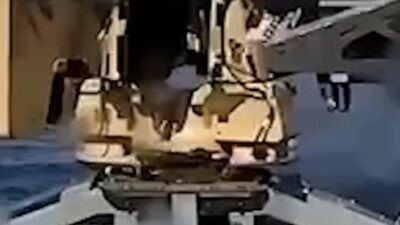
In a groundbreaking event marking a new era in maritime warfare, the first naval battle ever fought between two Unmanned Surface Vessels (USVs) has taken place in the Black Sea. This historic conflict showcased the evolving capabilities of drone technology in naval combat, demonstrating how autonomous vessels are beginning to play a pivotal role in modern military engagements.
The Black Sea, a strategically important and often volatile body of water bordered by several nations, has long been a hotspot for naval activity. With tensions high in the region, the deployment and eventual confrontation of these USVs highlight the increasing reliance on unmanned systems for naval defense and offense operations.
Unmanned Surface Vessels, or USVs, are remotely operated or autonomous boats equipped with various sensors, communication tools, and weaponry designed for missions ranging from surveillance and reconnaissance to direct engagement with enemy forces. These drones offer significant advantages over traditional manned vessels: they reduce the risk to human personnel, can operate in high-risk environments, and can be deployed rapidly and flexibly.
The recent battle involved two sophisticated USVs operating under military command, each tasked with neutralizing the other through coordinated maneuvers and tactical use of armaments. Although detailed operational data remains classified, this confrontation demonstrated the effectiveness of USVs in tracking, targeting, and engaging adversaries autonomously or semi-autonomously.
Experts note that this battle signals a shift in naval strategy, where remote and autonomous systems will complement or potentially replace traditional naval forces in certain scenarios. The utilization of USVs is expected to grow significantly as navies worldwide invest in unmanned systems to enhance maritime security and power projection.
The event also raises important questions about the rules of engagement and legal frameworks for autonomous warfare at sea. The confirmation of this first drone-versus-drone naval battle signals the need for new international agreements and protocols to address the ethical and operational challenges posed by autonomous weapon systems.
Analysts predict that future naval confrontations will increasingly involve unmanned systems, with human oversight gradually moving towards supervisory roles rather than direct control. This paradigm shift could transform naval doctrines, focusing on networked warfare, artificial intelligence integration, and rapid decision-making capabilities.
The success of these USVs in the Black Sea battle not only proves the technology’s readiness but also signals the beginning of a new chapter in military history. Nations around the globe are closely monitoring these developments, recognizing the strategic advantages offered by unmanned naval platforms.
As the Black Sea continues to serve as a crucible for emerging military technologies and tactics, the first naval battle between drones will remain a landmark event in the evolution of naval warfare, shaping the future of maritime conflict for decades to come.