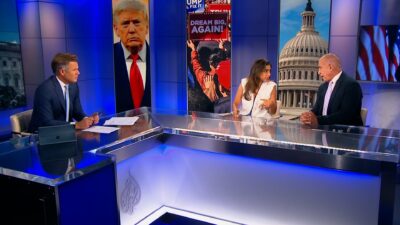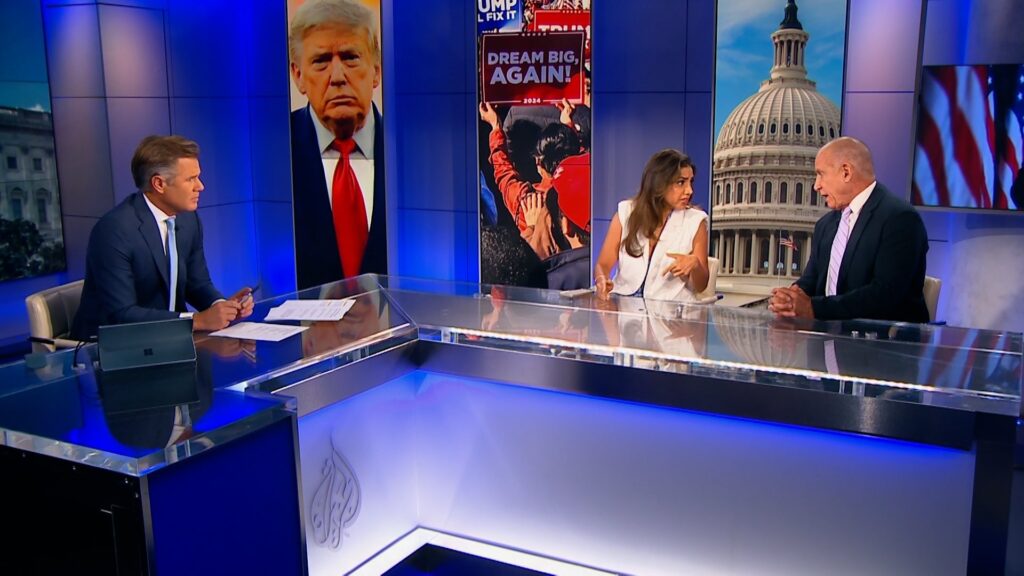
As the Republican National Convention (RNC) kicks off, a clear divide has emerged within the party regarding former President Donald Trump’s handling of the U.S. economy. This internal debate highlights differing perspectives among key Republican strategists and advisers, reflecting broader tensions in the party’s future direction.
Adolfo Franco, a seasoned Republican strategist, has voiced concerns over Trump’s economic policies, arguing that the former president’s approach led to instability and uncertainty. Franco contends that while Trump did spearhead some growth, his trade wars and unpredictable regulatory environment ultimately harmed long-term economic prospects. He emphasizes the need for a more traditional, fiscally conservative path that promotes steady growth without risking market volatility.
Contrastingly, GOP adviser Rina Shah staunchly defends Trump’s economic record. Shah highlights the pre-pandemic economic boom attributed to Trump’s tax cuts and deregulation efforts, which she believes created jobs and lowered unemployment. She argues that Trump’s bold approach was necessary to break from entrenched Washington politics and spur real economic dynamism, praising his unorthodox methods for revitalizing American industry.
This clash showcases the ideological rift within the Republican Party. On one side are voices urging caution and a return to conventional economic policies rooted in fiscal responsibility and free markets. On the other are proponents of Trump’s more aggressive, nationalist economic agenda that prioritizes American manufacturing and protectionism.
The debate unfolds at a critical moment as the RNC sets the tone for the upcoming election cycle. Party leaders must reconcile these conflicting viewpoints to present a unified economic vision that appeals to diverse Republican constituencies—from traditional conservatives to populist voters energized by Trump’s message.
Economic issues remain at the forefront of voter concerns, including inflation, job security, and trade policies. The differing assessments of Trump’s legacy complicate the GOP’s efforts to articulate a clear alternative to the current administration’s approach.
As the convention progresses, the party’s economic strategy will likely become a pivotal topic of discussion. How Republicans navigate this intra-party division may determine their electoral success and influence the future trajectory of the party’s economic policies.
Analysts suggest that reaching a consensus will require balancing Trump’s bold economic moves with pragmatic strategies that address market stability and global competitiveness. Republicans face the challenge of crafting a compelling narrative that unites their base while appealing to a broader electorate concerned about economic uncertainty.
In summary, the Republican divide over Trump’s economic legacy reflects broader tensions about the party’s identity and priorities. As the RNC begins, these internal debates underscore the complex choices facing Republican leaders as they shape their platform and strategy moving forward.