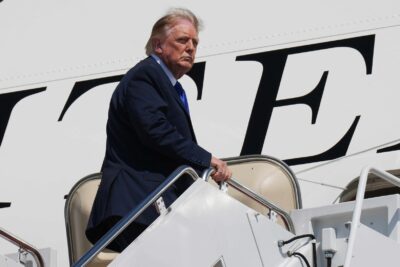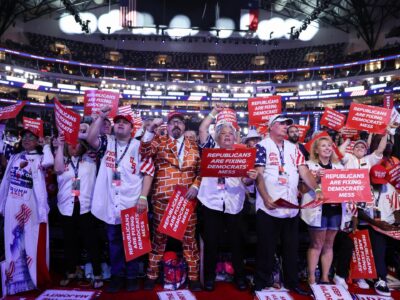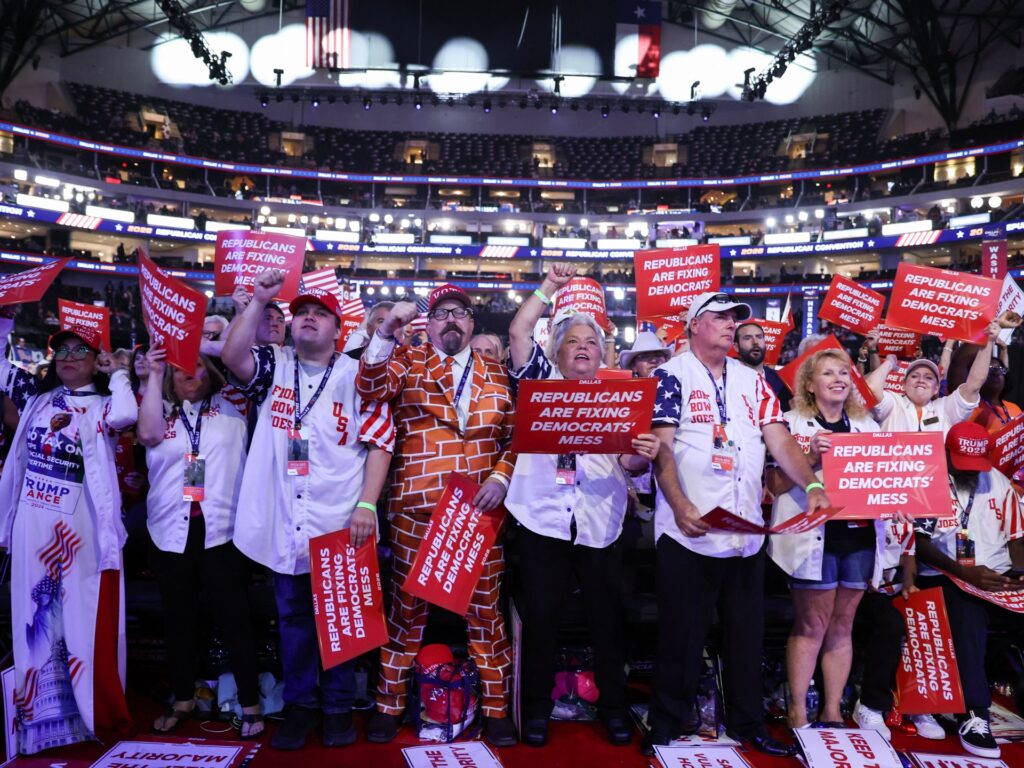
As the Republican midterm convention took center stage in Dallas, discussions about a looming conflict with Iran cast a significant shadow over the proceedings. Former President Donald Trump, who is a focal point of the convention, finds himself navigating complex voter concerns amid these international tensions.
Trump supporters remain optimistic, asserting that he retains significant influence and can effectively rally Republican voters despite the challenges posed by the potential Iran war. They argue that his strong leadership image and past policies resonate with the party base, which could be pivotal in the upcoming midterm elections.
Meanwhile, critics within and outside the party highlight the risks associated with the unpopular war and rising inflation. Many voters express unease about military engagement abroad, especially given the current economic pressures such as increased prices for everyday goods and services.
The convention agenda reflects an attempt to balance these perspectives — championing Trump’s role in strengthening national security while addressing domestic economic anxieties. Party leaders are keenly aware that the war issue and inflation could significantly influence voter turnout and preferences.
Experts note that historical midterms often hinge on the public’s perception of the president’s handling of foreign conflicts and the economy. In this scenario, Trump’s supporters hope his ability to connect with primary voters and conservative activists will overshadow the controversy surrounding Iran and economic concerns.
As the convention progresses, speeches and policy proposals are expected to focus on robust national defense strategies alongside plans to combat inflation and improve economic stability. This dual focus aims to reassure voters looking for both security and financial relief.
The Iran war threat introduces a complex backdrop for Trump’s midterm ambitions. While his supporters remain bullish on his potential to galvanize the Republican base, the pervasive war anxiety and inflation worries present formidable obstacles that will require careful political navigation.
In summary, the Republican midterm convention in Dallas is marked by a delicate balancing act: positioning Trump as a unifying figure capable of securing conservative victories, while addressing the potent fears of war and economic hardship that resonate deeply with American voters today. The outcome of this political event will likely shape the Republican Party’s trajectory ahead of the national elections, with Iran war concerns and economic issues at the forefront of voter decision-making.