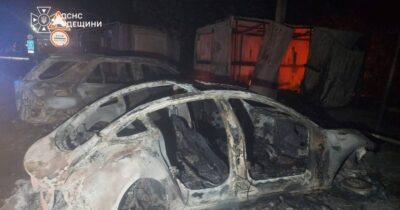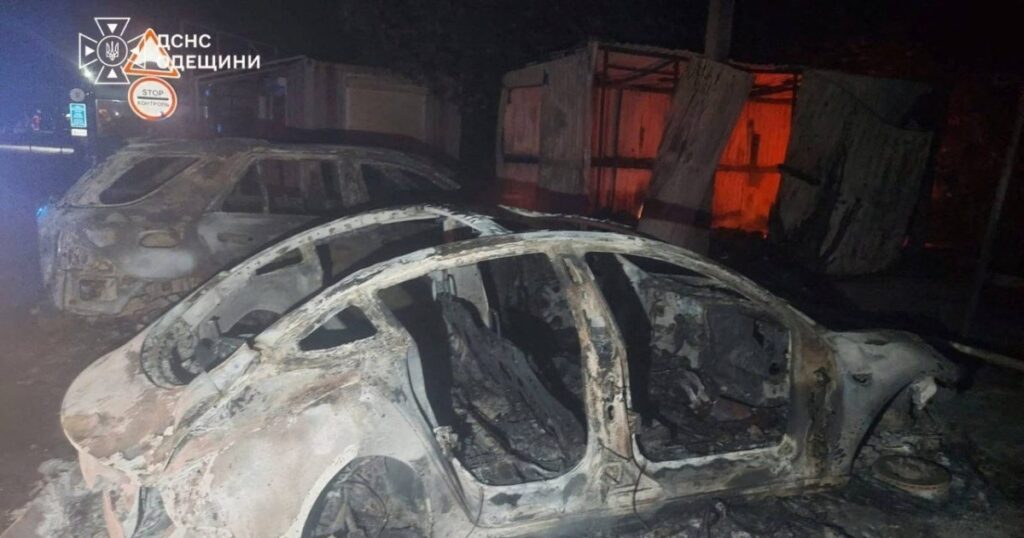
A recent drone attack by Russian forces has resulted in casualties along the Ukraine-Moldova border, marking a significant escalation in the ongoing conflict. Officials have confirmed that Russian drones struck the border crossing area in the Odesa region, killing two individuals and injuring three civilians. The attack has raised concerns about the security and stability of the border region, which is crucial for both Ukraine and Moldova. Local authorities responded swiftly to the incident, providing medical aid to the injured and securing the site. This event underscores the increasing use of unmanned aerial vehicles in the conflict and highlights the growing risks to civilian populations in border areas. The Ukraine-Moldova border crossing is a strategic point for trade and movement between the two countries, and attacks here could disrupt economic activities and heighten tensions. Both Ukrainian and Moldovan officials have condemned the attack, calling for increased international attention and support to prevent further violence. The international community has expressed alarm over the incident, urging Russia to cease hostile actions and respect international borders. This attack follows a series of escalating military actions in the region, signaling a potential intensification of the conflict. Efforts to negotiate peace and ensure security in the area face new challenges as violence reaches critical infrastructure and civilian zones. The humanitarian impact of the conflict is becoming more pronounced, with increased casualties and displacement concerns near border areas. Security measures are being reassessed to protect civilians and maintain order amid rising threats. The use of drones in the conflict exemplifies modern warfare tactics that complicate traditional defense and diplomacy strategies. Community leaders and officials are calling for enhanced surveillance and coordinated responses to address drone threats. The incident at the Ukraine-Moldova border crossing is likely to influence diplomatic discussions and security protocols in Eastern Europe. Both countries are seeking support from international allies to reinforce border defenses and prevent further attacks. This tragic event emphasizes the ongoing risks faced by civilians caught in conflict zones, underscoring the urgent need for conflict resolution and peace efforts. As investigations continue, authorities are gathering intelligence to ascertain the full scope of the drone operation and any potential future threats. Meanwhile, humanitarian organizations are mobilizing to assist those affected by the attack and provide necessary support. The situation along the Ukraine-Moldova border remains tense, with communities anxious about the possibility of more violence. Monitoring and reporting on such incidents are critical for informing global response and policy decisions. The international media is closely following developments, highlighting the impact of the war on regional stability. Political leaders are being urged to prioritize diplomacy and engage in dialogue to prevent further deterioration of the situation. The drone attack serves as a somber reminder of the human cost of conflict and the need for sustained international efforts to promote peace and security in the region.