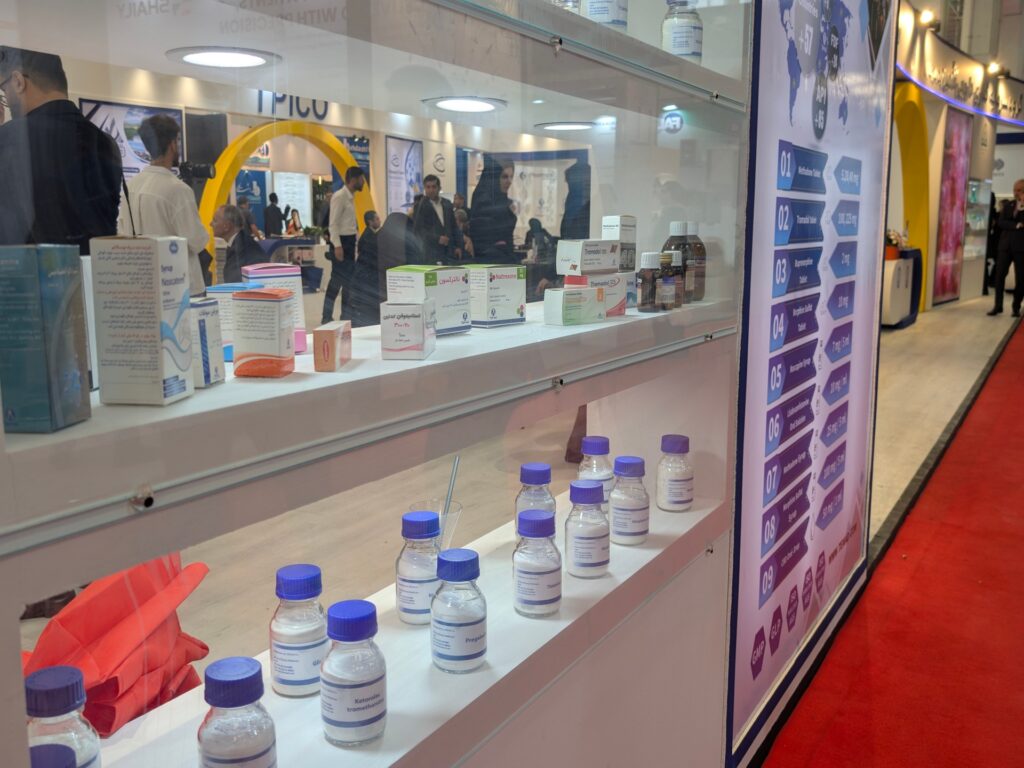
Medicine shortages in Iran are worsening as US sanctions and blockades tighten, severely impacting the availability and affordability of essential life-saving drugs for many Iranians. The crisis has led to widespread concern as patients struggle to obtain necessary treatments for chronic conditions, cancer, and rare diseases. Experts warn that the situation could deteriorate further if alternative supply channels are not secured.
The US has intensified its sanctions in recent months, targeting various sectors of the Iranian economy as part of its strategy to exert maximum pressure. These sanctions have disrupted the pharmaceutical supply chain by limiting financial transactions, restricting imports of raw materials, and reducing international cooperation in medicine procurement.
Consequently, Iranian hospitals and pharmacies face significant shortages, with many drugs either in critically low supply or completely unavailable. Prices for available medications have surged, pushing life-saving treatments out of reach for low-income families and increasing public health risks.
Despite these challenges, Iranian authorities maintain that the pharmaceutical sector will not collapse. They emphasize ongoing efforts to develop domestic production capabilities, seek alternative trade partners, and stabilize the market. The government has invested in local pharmaceutical manufacturing and encouraged research into new drug formulations to reduce dependency on foreign imports.
Health officials are also calling for increased transparency and support to protect vulnerable populations from the adverse effects of medicine scarcity. Non-governmental organizations and international agencies have expressed concern about the humanitarian impact and the need to ensure access to essential medicines despite sanctions.
Patients with cancer, diabetes, and cardiovascular diseases are among the hardest hit, facing interruptions in their treatment regimens. Medical professionals warn that prolonged shortages could lead to increased mortality and long-term health complications.
Experts suggest that a resolution requires diplomatic engagement to ease restrictions on medical supplies and improve humanitarian aid channels. The situation highlights the broader consequences of sanctions on public health and the importance of safeguarding access to essential medicines in conflict-affected regions.
In summary, the growing medicine shortages in Iran under US sanctions underscore a serious healthcare challenge, risking the lives of many citizens. Continued efforts by the government and international community are essential to mitigate the crisis and protect public health.