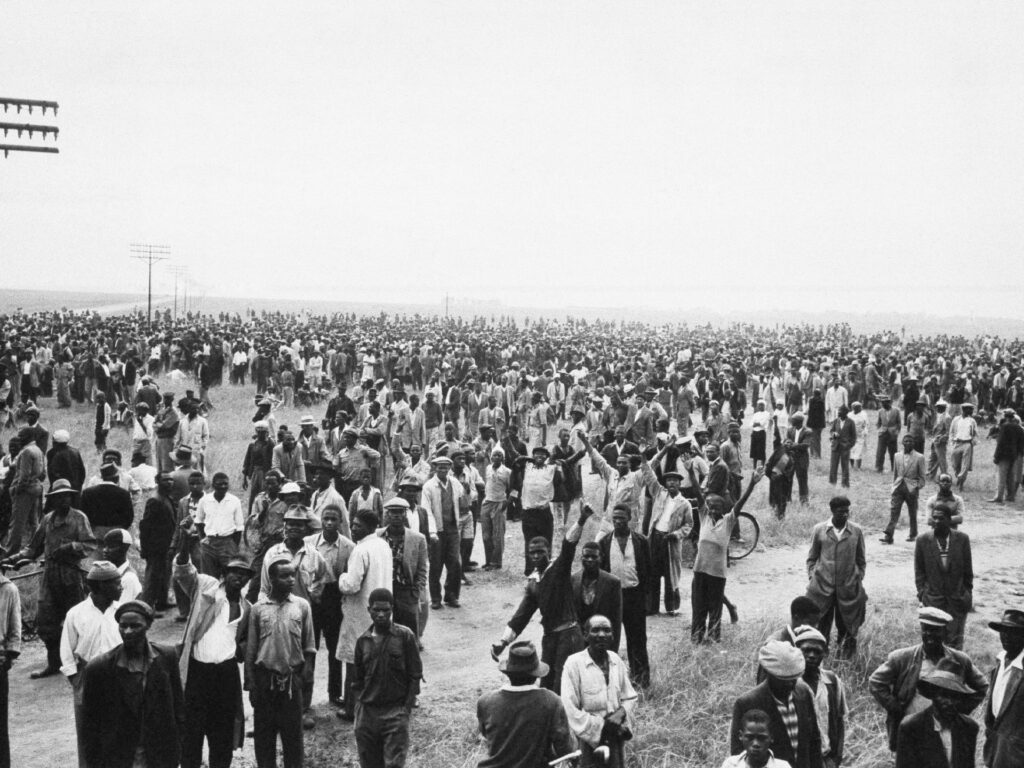
On March 21, 1960, a tragic event unfolded in the township of Sharpeville, South Africa, when police opened fire on a crowd of black protesters who were demonstrating against the apartheid regime’s pass laws. This incident, known as the Sharpeville massacre, resulted in the deaths of 69 people, including children, and left many more injured. The massacre became a pivotal moment in the struggle against apartheid, symbolizing the brutality of the regime and galvanizing international condemnation.
Sixty-six years later, the echoes of that day continue to resonate deeply within the families of those who were killed and the survivors who endured the trauma. Despite the passage of more than six decades, justice remains elusive for many who were affected by the massacre. Survivors and relatives have taken their fight to the courts, seeking recognition, reparations, and accountability for the gross human rights violations they suffered.
The Sharpeville massacre was the culmination of escalating tensions caused by the apartheid government’s oppressive pass laws, which required black South Africans to carry passbooks restricting their movement. The protest on that fateful day aimed to peacefully resist these unjust laws. However, the police response was disproportionate and deadly, leaving a scar on South African history.
In the immediate aftermath, the apartheid regime attempted to justify the killings, while the international community responded with outrage. The massacre led to increased resistance within South Africa and heightened pressure on the government to dismantle apartheid. Nevertheless, the survivors and families of the deceased faced decades of silence and marginalization from official channels of justice.
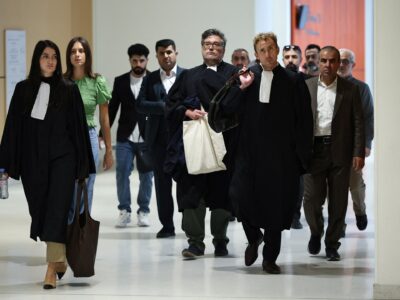
Today, the push for justice has gained momentum through legal avenues. Survivors and relatives of the victims have filed lawsuits demanding formal acknowledgment of the massacre’s impact and seeking compensation for the pain and loss endured. These legal battles are not only about financial restitution but also about preserving memory and ensuring that history does not erase the suffering endured.
The passage of time has introduced complexities to achieving justice. Many survivors are elderly, and some have passed away without seeing any reparative action. Documentation and evidence have become harder to collect, and the political landscape of South Africa has transformed significantly since apartheid’s end in 1994. Despite these challenges, the commitment of families continues to fuel their quest for accountability.
Beyond courtrooms, the Sharpeville massacre has been commemorated annually, serving as a somber reminder of the high cost of apartheid. Memorials and educational programs aim to honor the victims and educate younger generations about the struggle for freedom and human rights.
The massacre’s legacy extends beyond South Africa’s borders. It remains a poignant example of state violence and the ongoing global struggle against racial oppression. The continued fight for justice in Sharpeville underscores the fundamental human rights principle that even after decades, victims and their families deserve acknowledgment and redress.
As the 66th anniversary of the Sharpeville massacre passes, the pursuit of justice serves as both a tribute to those who lost their lives and a call to action. It highlights the necessity of confronting historical injustices to build a future grounded in equality and respect for human dignity. The families waiting for justice remind us that reconciliation is incomplete without accountability, and healing is dependent on the recognition of past wrongs.