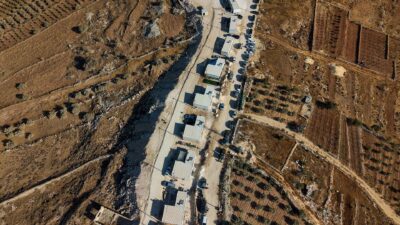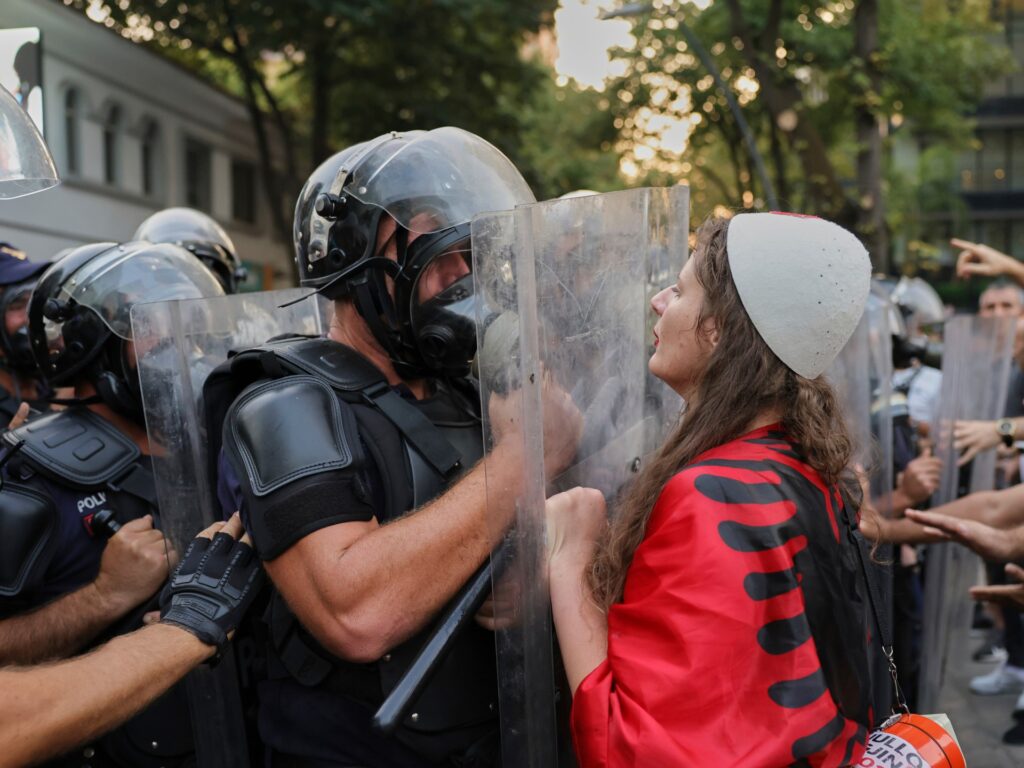
For more than 100 consecutive days, residents of Albania have taken to the streets to protest against the construction of a planned luxury hotel with ties to Jared Kushner and Ivanka Trump. The highly contested development project has sparked intense opposition among locals, leading to frequent confrontations between demonstrators and law enforcement.
Protesters argue that the hotel project threatens to disrupt the community’s socio-economic balance and environmental landscape. They fear that the involvement of high-profile figures linked to former U.S. President Donald Trump may overshadow local interests and prioritize profit over public welfare.
Authorities have responded with increased police presence in the area to maintain order amid growing tensions. Reports indicate that clashes between protesters and police have become increasingly frequent and sometimes violent, reflecting deep divisions over the project’s approval.
The dispute highlights broader concerns regarding foreign investment in Albania and its impact on national sovereignty and public resources. Critics suggest that the hotel’s luxury branding could exacerbate inequality and displace existing communities.
Supporters of the project emphasize the potential economic benefits, such as job creation and tourism growth, that could arise from investing in luxury accommodations. However, opponents remain steadfast, continuing to organize demonstrations demanding cancellation of the plans.
The ongoing protests have drawn international attention, putting pressure on local government officials to reconsider the implications of the project. Public debates and local government meetings have been held, but consensus remains elusive.
As the standoff persists, many Albanians watch anxiously, concerned about the long-term consequences of the luxury hotel’s development on their environment and cultural heritage. The situation remains volatile, with both sides preparing for potential escalations in the coming days.
This conflict serves as a reminder of the complexities involved when global business ventures intersect with local communities’ rights and desires, underscoring the need for inclusive dialogue and sustainable development practices in Albania and beyond.