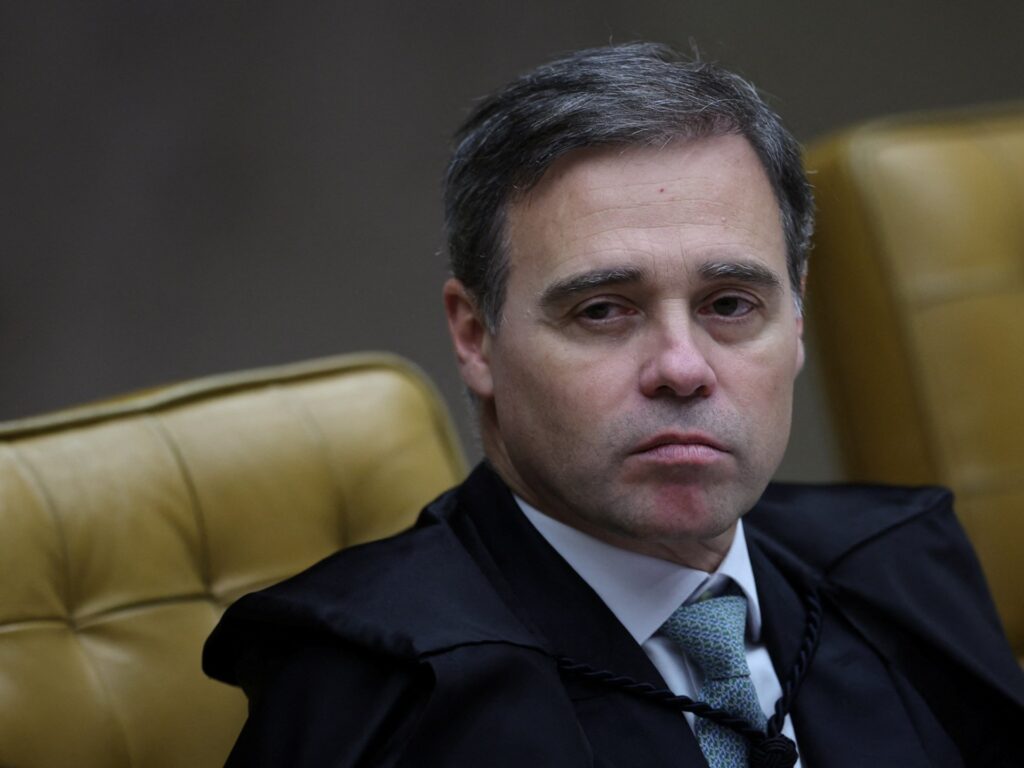
The Brazilian Supreme Court is facing heightened tensions as a justice suspended the federal police chief, intensifying an already growing rift within the court. This move has escalated concerns about internal conflicts and allegations of misconduct between two justices, potentially dragging the judiciary into the highly charged political atmosphere ahead of Brazil’s upcoming national election.
The suspension of the federal police chief by a Supreme Court justice marks a significant development in the ongoing turmoil within Brazil’s highest judicial body. The federation’s police force, tasked with enforcing the law and maintaining public order, is integral to the functioning of the state, and its leader’s removal by a judicial figure signals unusual discord.
Allegations have emerged pointing to possible misconduct involving two justices, raising questions about the impartiality and stability of the court. These allegations, amidst political tensions, could undermine the public’s trust in the judiciary during a critical period for Brazil’s democracy.
Brazil is approaching a pivotal election that has already generated intense political debate and division. The Supreme Court’s internal conflicts threaten to intersect with the electoral process, as the judiciary is seen to play a crucial role in safeguarding the fairness and legitimacy of the vote.
Observers warn that the court’s rift could deepen political polarization, complicating governance and legal oversight. The suspension of the federal police chief might be seen both as a legal intervention and as a move with political implications, sparking further debate about the separation of powers in Brazil.
The justice who ordered the suspension may face pushback from colleagues and political figures, highlighting the fragility of institutional relationships and the challenges faced by Brazil’s democratic institutions. Meanwhile, the police chief’s removal raises operational concerns within the federal police, potentially affecting their ability to function effectively during the election period.
Historically, Brazil’s Supreme Court has maintained a crucial balance between law and politics, yet the current discord risks shifting this dynamic. As the nation prepares to vote, the judiciary’s capacity to remain impartial and united is under scrutiny.
This latest crisis underscores the broader political tensions within Brazil’s government, where judicial actions are often viewed through a political lens. Future developments within the court and responses from political actors will be critical in shaping Brazil’s democratic trajectory.
Ultimately, the unfolding situation calls for careful monitoring to ensure that Brazil’s institutions can withstand political pressures and continue to uphold the rule of law amid a highly charged electoral environment.