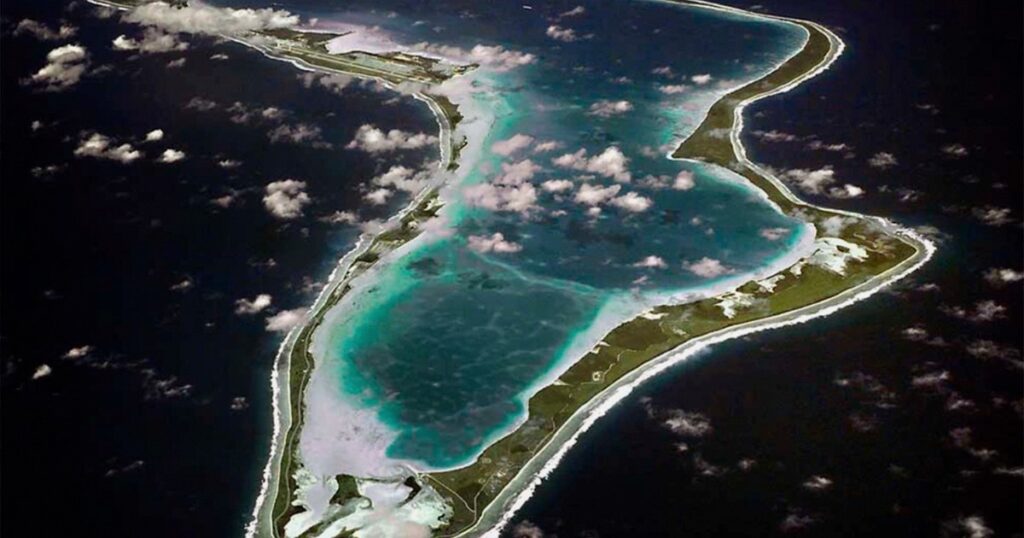
The Maldives has formally requested the United Kingdom to reopen talks regarding the sovereignty of the Chagos Islands, a strategically important archipelago in the Indian Ocean. In a recent letter addressed to the UK Prime Minister, the President of the Maldives expressed strong opposition to the planned handover of the Chagos Islands to Mauritius. The Maldives argues that the sovereignty of the islands should be reconsidered and that they should not be transferred solely to Mauritius.
The Chagos Islands have long been a subject of dispute. Historically, they were administered as part of Mauritius before being separated by the UK during the colonial period. Mauritius has since claimed sovereignty over the islands following its independence, and the matter has been a contentious issue in international law and diplomacy.
The Maldives’ intervention adds a new dimension to the ongoing sovereignty debate. The government of Maldives expressed concerns not only over regional geopolitical stability but also over the strategic and environmental implications of the islands’ governance. The Maldives highlights that any transfer of sovereignty needs to involve comprehensive consultations with other Indian Ocean nations due to the islands’ importance to regional security and maritime routes.
UK’s historical administration of the islands included establishing a military base on Diego Garcia, the largest island in the archipelago. This base remains a critical asset for UK and US military operations in the region. The geopolitical importance of the Chagos Islands has drawn international attention, with varying opinions on their rightful ownership.
In recent years, international legal bodies have weighed in, including a 2019 advisory opinion from the International Court of Justice, which urged the UK to return the islands to Mauritius. However, the UK government has so far maintained its stance of retaining control over the islands, citing strategic interests.
The Maldives’ appeal challenges this trajectory, urging a broader multilateral approach. The president’s letter insists that the interests of all stakeholders, including regional neighbors, be taken into account. It reflects Maldives’ broader foreign policy priorities centered on preserving regional security and environmental sustainability.
This call for reopening sovereignty discussions underscores the complex nature of colonial legacies and their modern geopolitical ramifications. The outcome of renewed talks, should they occur, could significantly impact diplomatic relations and the strategic balance in the Indian Ocean region.
As this story develops, further diplomatic dialogues are expected. The UK government’s response will be closely watched by regional powers and the international community. The Maldives’ request marks a notable intervention that could shape the future course of Chagos Islands sovereignty and regional cooperation.