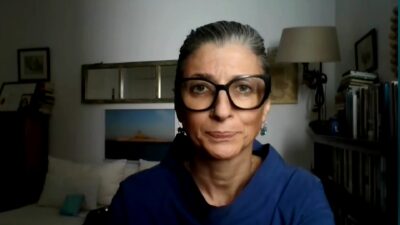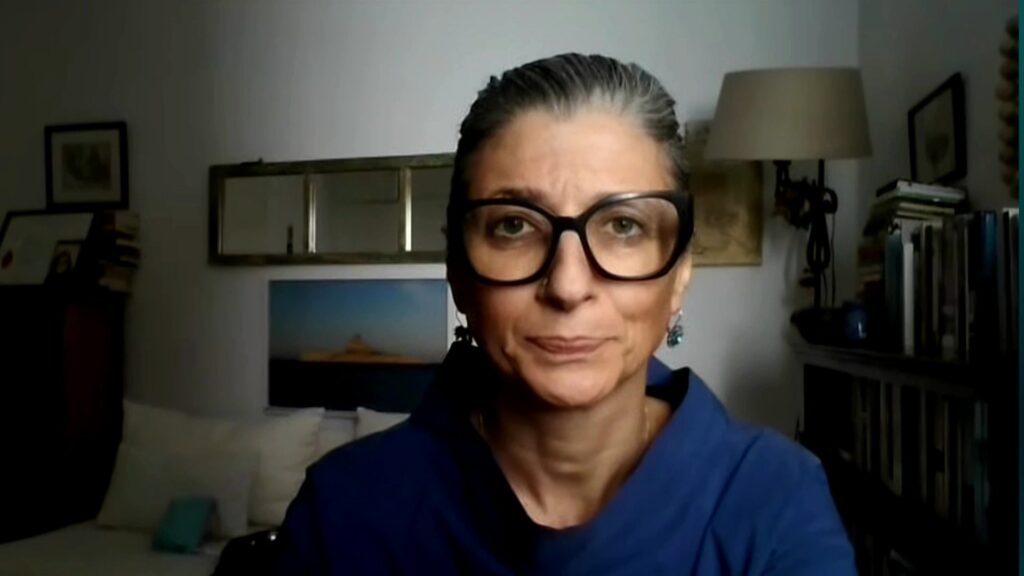
In a significant development in international politics, the United Kingdom has imposed sanctions on Israeli settlements, a move that United Nations expert Francesca Albanese has described as a ‘seismic shift.’ This decision marks a notable departure from the UK’s previous stance, which has been criticized as complicit for years in the expansion of Israeli settlements.
Israeli settlements, considered illegal under international law by most of the global community, have long been a contentious issue in the Israeli-Palestinian conflict. These settlements are built on land occupied by Israel since the 1967 Six-Day War and have been a major obstacle to peace negotiations.
Francesca Albanese, a United Nations expert on the rights of Palestinians, welcomed the UK government’s decision, labeling it as a groundbreaking change in policy. She pointed out that for years, the UK had maintained a stance that was seen as tolerant toward the Israeli settlements, which many argued contributed to the ongoing conflict and violations of Palestinian rights.
The sanctions involve measures that restrict economic and diplomatic engagement with entities linked to the settlements. The UK government has taken this step after increasing pressure from various international actors and within the context of a broader reevaluation of foreign policies related to the Middle East.
Experts suggest that the UK’s move could influence other countries to adopt similar measures, potentially increasing international pressure on Israel to halt settlement expansion. It is seen as a move towards upholding international law and supporting human rights in the region.
Prior to this, the UK had faced criticism from Palestinian rights groups and international human rights organizations for its failure to act decisively against settlement activities. Albanese’s comments underscore the significance of this policy change, framing it as a response to long-standing advocacy and legal arguments presented by the international community.
The sanctions are expected to impact economic relations between the UK and Israeli businesses operating in the settlements. However, the UK government has affirmed its commitment to maintaining diplomatic relations with Israel while simultaneously supporting a two-state solution to the Israeli-Palestinian conflict.
This decision may also influence the geopolitical dynamics in the region, as it signals a shift towards greater accountability and respect for international norms. Observers note that this change could bring new momentum to peace efforts, though challenges remain significant.
In summary, the UK’s imposition of sanctions on Israeli settlements, as highlighted by UN expert Francesca Albanese, represents a pivotal change in policy that challenges years of perceived complicity. It reflects a global call for adherence to international law, support for Palestinian rights, and a more balanced approach to one of the world’s most enduring conflicts.