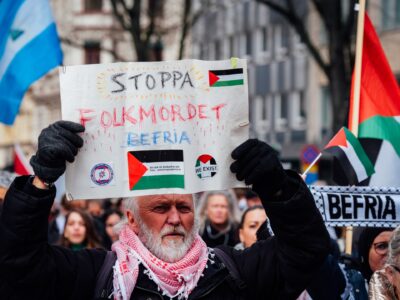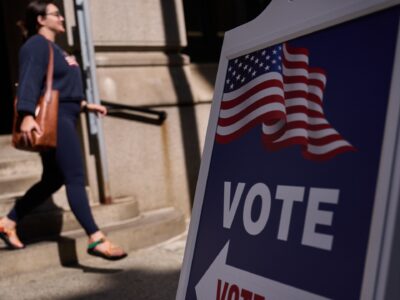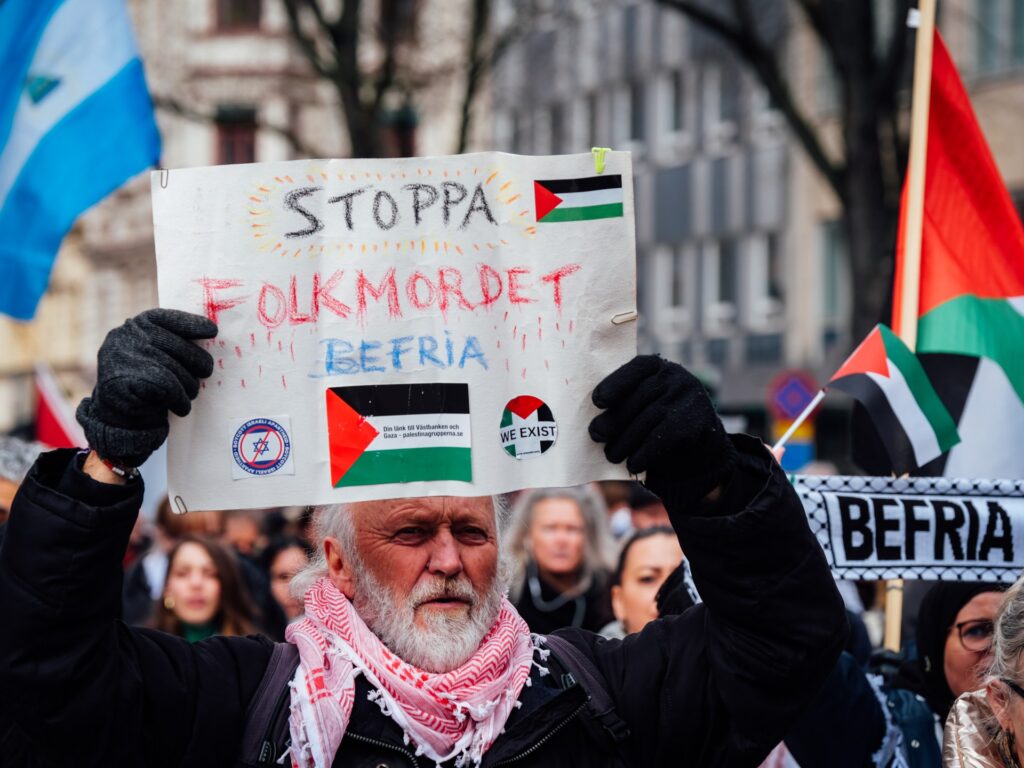
As Sweden approaches its upcoming elections, international policies, particularly those concerning Israel and Palestine, are becoming a significant point of contention among voters. The election is shaping up as a pivotal moment, with polling data indicating a lead for the left-wing coalition, which contrasts sharply with the current right-wing government’s stance.
The right-wing government, which has been at the helm during the latest electoral cycle, has maintained a notably firm position on the Israel-Palestine conflict. Their policies have often aligned more closely with Israel, drawing both support and criticism domestically and internationally. This approach has influenced Sweden’s diplomatic and humanitarian engagements in the region, reflecting a broader ideological orientation towards Middle Eastern affairs.
However, the rise of the left-wing coalition in the polls suggests potential shifts in Sweden’s foreign policy landscape. The left-wing parties tend to advocate for a more balanced and conciliatory approach towards Israel and Palestine. They emphasize human rights, international law, and the pursuit of a peaceful resolution through dialogue and negotiation. If they win the election, it could signal a significant re-evaluation of Sweden’s stance and increased support for Palestinian rights.
The debate over Israel and Palestine on the Swedish ballot is not happening in isolation. It is intertwined with broader questions about Sweden’s identity, its role on the international stage, and its commitment to multilateralism and humanitarian values. Voters are increasingly considering foreign policy as an integral part of national security, ethical governance, and international solidarity.
This shift has mobilized various interest groups, including activists, advocacy organizations, and diaspora communities who see the election as an opportunity to influence Sweden’s international posture. Campaign events, policy discussions, and public debates have prominently featured the Israel-Palestine issue, highlighting the complexities and deep emotions associated with this long-standing conflict.
As election day approaches, political analysts predict that the outcome will not only determine domestic policy directions but could also reshape Sweden’s contribution to peace efforts in the Middle East. The international community is watching closely, aware that Sweden’s foreign policy could set a tone for European engagement with the Israel-Palestine conflict.
In sum, the Swedish election is poised to be a defining moment for the nation’s foreign policy, with the Israel-Palestine conflict at its heart. The possible transition from a right-wing to a left-wing government may bring about more inclusive and balanced policies, reflecting a broader commitment to human rights and peacebuilding efforts in a conflict-ridden region. This election underscores how international issues can resonate deeply within national elections, influencing both voter preferences and political platforms.