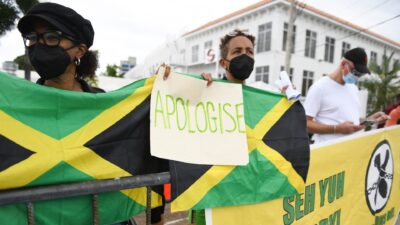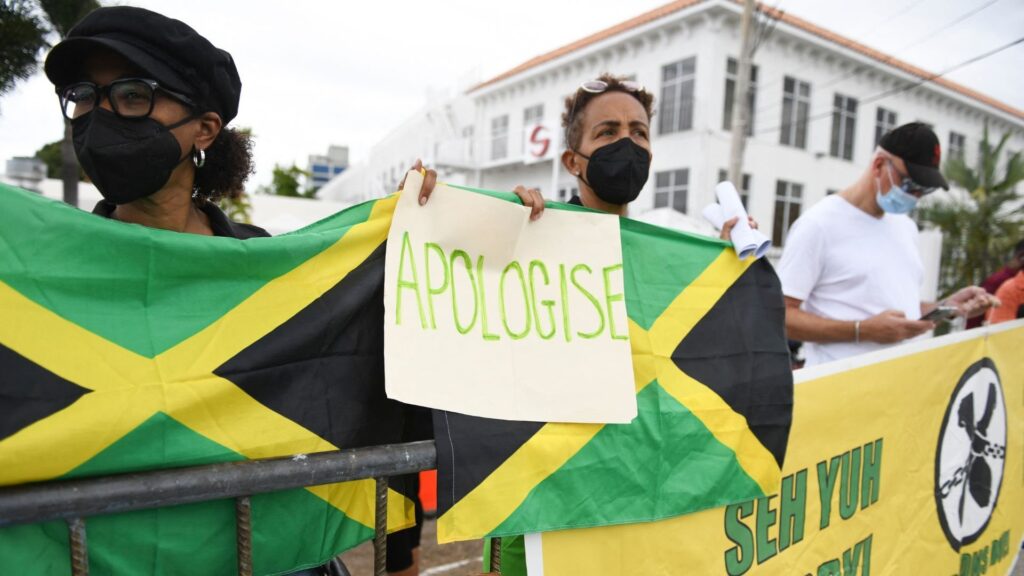
Jamaica is set to file a formal petition for slavery reparations during an upcoming visit to the United Kingdom. The petition will be addressed directly to King Charles and questions the legality of slavery under English law. It also emphasizes the UK’s responsibility for reparations relating to the historic injustices of slavery.
This move highlights the growing momentum among Caribbean nations seeking formal acknowledgment and compensation for the lasting impacts of slavery, which was a significant part of the British Empire’s economy. Jamaica, one of the countries most affected by the transatlantic slave trade, is taking a leading role in the pursuit of justice.
The petition challenges the foundations of the British legal system at the time, raising questions about how slavery was permitted and institutionalized. Advocates argue that the legacy of slavery continues to affect Jamaican society and that reparations would not only serve as compensation but also a critical step towards reconciliation.
Jamaican officials and representatives will present the petition during the visit, underlining their demand for accountability and historical redress. The UK government has faced increasing pressure from former colonies and their diasporas to acknowledge its role in slavery and to provide reparations that address economic disparities and social injustices borne out of that era.
This event is part of a broader movement to confront colonial histories and their ongoing impacts globally. Scholars, activists, and politicians are debating the moral and legal grounds of reparations, as well as how they might be implemented fairly.
Historically, slavery was abolished in the British Empire in the 19th century, but no formal reparations were made to descendants of enslaved people. Jamaica’s petition could rekindle discussions about historical accountability and justice on an international scale.
The visit and the petition symbolize a pivotal moment in the relationship between Jamaica and the United Kingdom, opening the door for dialogue about past wrongs and the future of bilateral relations.
In conclusion, Jamaica’s effort to hold the UK accountable through a slavery reparations petition marks a significant chapter in the ongoing pursuit of justice for the descendants of enslaved people and may influence similar efforts worldwide.