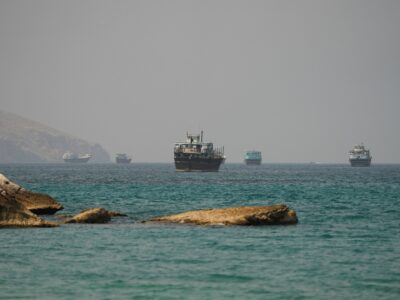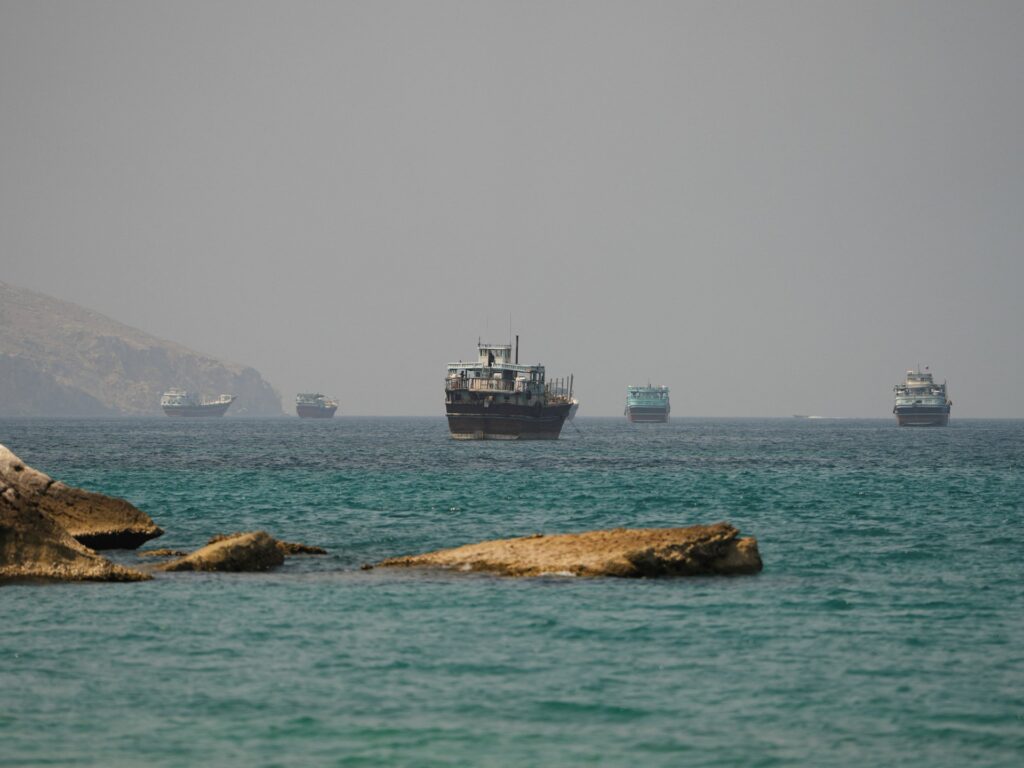
In a significant development amid escalating tensions in the Middle East, Iran is set to announce a new shipping route in the strategic Strait of Hormuz in the coming days. This move comes after recent US military strikes on Iranian oil tankers, highlighting Tehran’s increasingly assertive posture in the region.
The Strait of Hormuz, through which approximately one-fifth of the world’s petroleum passes, has long been a critical chokepoint for global oil shipments. Iran’s announcement signals a shift aimed at ensuring continued export flow despite rising geopolitical risks.
Iran’s top negotiator, involved in ongoing diplomatic discussions, has issued stern warnings of heavier responses to any new attacks on Iranian vessels. This rhetoric underscores the heightened risk of conflict escalation as Washington and Tehran remain at loggerheads over various issues including sanctions, nuclear activities, and regional influence.
The proposed new shipping route is expected to bypass traditional transit points through the Strait. Experts speculate this could involve alternative pathways possibly through domestic Iranian waters or newly secured maritime corridors that offer Tehran greater control and security against potential US naval operations.
This initiative comes amid a backdrop of persistent proxy conflicts and maritime confrontations in the Gulf region. Several past incidents involving attacks on tankers have been attributed, directly or indirectly, to the ongoing tension between Iran and the United States.
Iran’s move also reflects its strategic intent to maintain uninterrupted oil exports, vital for its economy which is strained under comprehensive international sanctions. By diversifying and securing its oil transportation routes, Iran aims to mitigate risks and exert leverage in international negotiations.
International reactions to the announcement are anticipated to vary. While allies and countries dependent on uninterrupted oil flow may seek de-escalation, Western governments might view the new route as a provocation, potentially leading to increased naval presence and patrols in the Gulf region.
Analysts caution that the situation remains volatile, with the potential for miscalculations leading to open conflict. Diplomatic channels remain crucial to managing the risks associated with these developments.
In summary, Iran’s forthcoming announcement on a new Hormuz shipping route symbolizes a critical juncture in Middle Eastern maritime security. It reflects Tehran’s determination to protect its economic interests and sovereignty amid growing challenges posed by US actions and regional dynamics.