The Trump administration has once again turned to the U.S. Supreme Court to challenge aspects of mail-in voting, underscoring the intense national debate over election processes ahead of the midterms. This latest appeal comes amid ongoing disputes about voting integrity, access, and security, themes that have dominated political discourse for years but have gained renewed urgency.
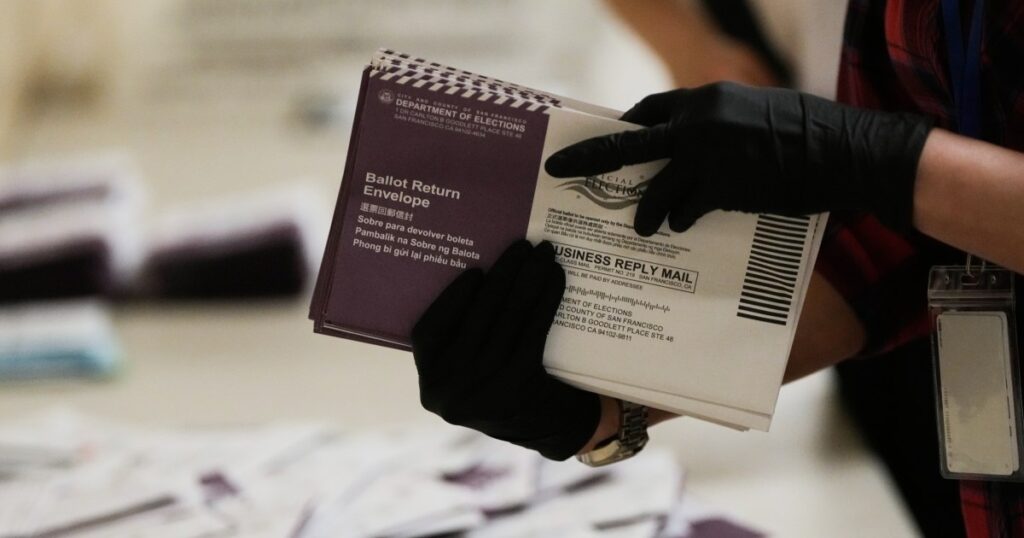
Mail-in voting, which expanded significantly during the COVID-19 pandemic to ensure voter safety and accessibility, remains a contentious issue. Supporters argue that it is a crucial tool to increase voter participation, especially for those unable to vote in person. Critics, including many Republicans allied with former President Donald Trump, contend that mail-in voting can lead to fraud and undermine election legitimacy.
This Supreme Court challenge targets specific provisions related to mail-in ballots, potentially affecting deadlines, verification requirements, and ballot handling procedures. The administration’s legal team argues that certain practices in some states do not comply with federal standards or open doors to potential misuse.
How the Supreme Court rules on this petition will have widespread implications, especially as millions of voters are expected to utilize mail-in voting in the upcoming midterm elections. A ruling favoring tighter restrictions could result in stricter controls on how ballots are cast and counted, possibly leading to delays in results or increased legal challenges.
Conversely, a decision upholding existing mail-in voting procedures would reinforce the status quo and support voter access initiatives promoted during recent years. It may also serve to dampen some of the partisan tensions surrounding election methods.
Election officials and experts stress the importance of maintaining public confidence in the electoral process. They caution that prolonged litigation and polarized messaging around mail-in voting might contribute to voter confusion or skepticism.
The Supreme Court’s decision timeline remains uncertain, but the justices are expected to consider the case expeditiously given its potential impact on midterm election preparations and procedures.
This legal battle is part of a broader pattern of election-related challenges pursued by the Trump administration and its allies, reflecting ongoing national divisions on voting rights and election security.
As the nation watches closely, the Supreme Court’s ruling will shape not only the mechanics of voting but also the broader narrative around democracy and trust in American elections.