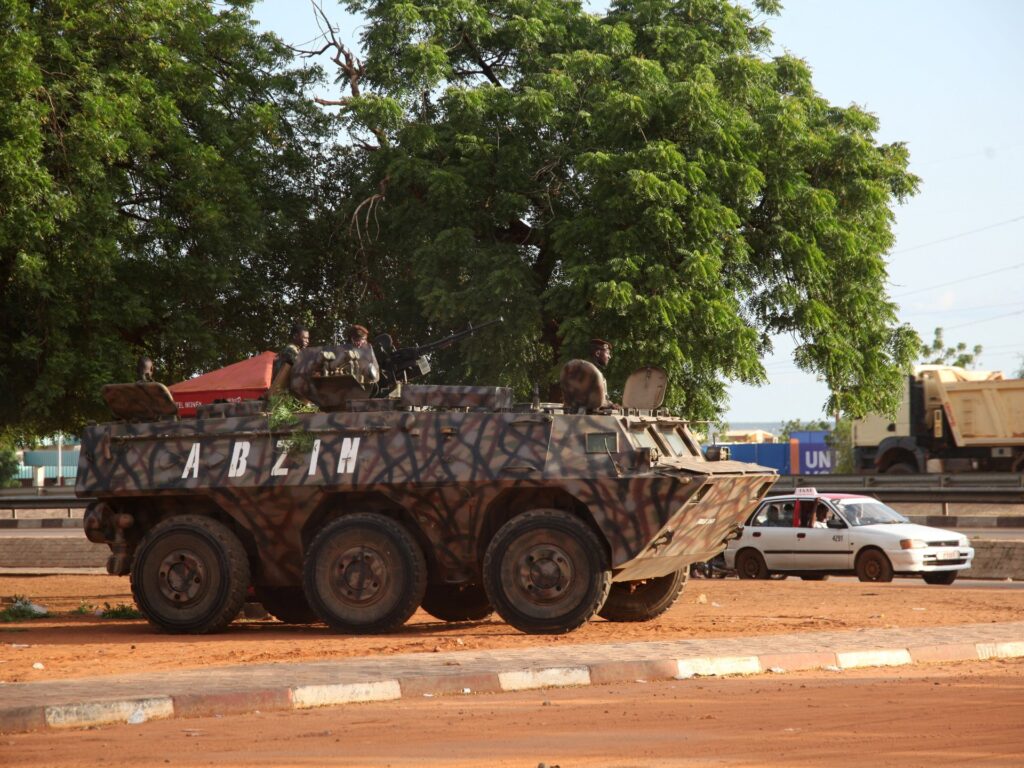
The political landscape in Niger has been further destabilized with the Nigerien military accusing France of orchestrating a failed mutiny. The allegations have intensified the already strained relations between Niger and France, two countries with a complex post-colonial history and ongoing security collaborations.
According to statements from Niger’s military officials, the recent mutiny attempt within the armed forces was not an internal rebellion but was allegedly instigated by foreign elements linked to France. This accusation points to a covert effort to undermine Niger’s current government and sovereignty.
French officials have vehemently denied any involvement in the mutiny, stressing their commitment to Niger’s stability and the broader Sahel region. France’s government spokespersons have labeled the accusations as unsubstantiated and politically motivated remarks aimed at diverting attention from internal challenges faced by Niger.
This incident occurs against a backdrop of escalating diplomatic tensions. In recent years, Niger has experienced shifts in its foreign policy, including debates over the future presence of French troops in the region. Several West African nations have also expressed frustration over former colonial powers’ influence and military operations within their borders.
The failed mutiny highlights the fragile security situation in Niger, where various factions within the military are divided, and insurgent groups continue to pose threats. The government’s ability to maintain control and order is critical to preventing further destabilization.
Furthermore, the accusations have drawn international attention, with regional and global bodies urging calm and dialogue. The Economic Community of West African States (ECOWAS) and the African Union have called for restraint from all parties to avoid any escalation that could exacerbate the humanitarian and security crises.
France, which has historically had a significant military and diplomatic presence in Niger, remains cautious in its response but is monitoring the situation closely. The French government emphasizes the importance of working with West African partners to combat terrorism and support democratic institutions despite recent challenges.
For Niger, the situation embodies a complex mix of internal power struggles, historical grievances, and the geopolitical tug-of-war that often characterizes relations between former colonial powers and their former territories.
As the investigation into the mutiny continues, the broader implications for Niger-France relations and regional stability remain uncertain. Observers warn that if not managed carefully, such events could lead to deeper mistrust, further political instability, or even more violent confrontations.
In conclusion, the accusations made by Niger’s military against France over the alleged orchestration of a failed mutiny have significantly heightened tensions. While France denies involvement, the episode underscores the fragile and contentious nature of Niger’s political environment and the critical importance of diplomatic engagement to prevent further deterioration of bilateral ties and ensure peace and security in the Sahel region.