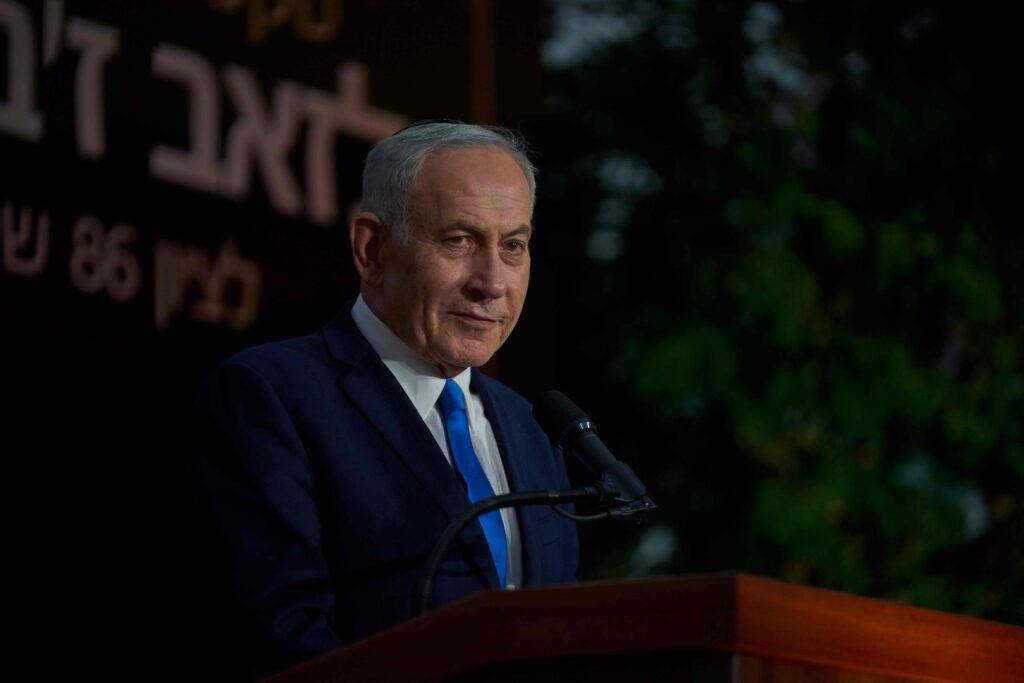
Israeli Prime Minister Benjamin Netanyahu has publicly declared Qatar to be a ‘hostile state,’ marking a stark condemnation amidst ongoing regional tensions. This characterization comes amid a backdrop of complex Middle East geopolitics, where Qatar has often played a controversial role with its foreign policies and associations.
Netanyahu’s statement emerged as he firmly dismissed allegations suggesting that his government maintains covert or favorable ties with Qatar. He referred to these accusations as ‘one big bluff,’ emphasizing the lack of any substantial evidence or official cooperation between Israel and Qatar.
The Israeli premier’s remarks underscore the official position of Israel towards Qatar, which has been a point of scrutiny due to Qatar’s support for various groups and its diplomatic stance in the region. Despite Qatar’s efforts to act as a mediator in some conflicts, Israel’s leadership remains skeptical and wary of the state’s intentions.
Qatar, a wealthy Gulf nation, has fostered relationships that contrast with those of traditional Gulf Cooperation Council members, often engaging with entities and actors Israel considers adversarial. Netanyahu’s labeling of Qatar as hostile highlights the persistent distrust and unresolved diplomatic challenges.
Historically, Qatar has maintained a delicate balance in Middle East politics, offering humanitarian aid and attempting mediation roles while simultaneously supporting groups that Israel classifies as terrorist organizations. This dual approach has elicited criticism and caution from Israel’s government.
In recent years, Israel has strengthened its ties with several Arab states through normalization agreements, yet Qatar’s position remains contentious. Netanyahu’s declaration serves as a reminder that despite these diplomatic advances, significant hurdles persist regarding Israel’s relations with certain countries in the region.
The Prime Minister’s rejection of the alleged ties between Israel and Qatar aims to quell any rumors that might suggest a thaw or undisclosed understanding between the two nations. This stance is significant in maintaining Israel’s strategic messaging and alliances.
Netanyahu’s comments on Qatar also reflect broader regional dynamics, where the Israeli government seeks to solidify alliances and clarify adversarial lines. Qatar’s role in the ongoing Israeli-Palestinian conflict and its hosting of various political factions further complicate relationships.
By branding Qatar a hostile state, Netanyahu effectively categorizes the country alongside others that Israel views with suspicion, which may influence future diplomatic, economic, and security policies.
This development is likely to affect perceptions in the international community, where Qatar continues to play an active role in mediating conflicts but faces criticism for its relationships in the volatile Middle East landscape.
Netanyahu’s straightforward condemnation and denial signal Israel’s intention to maintain a cautious and assertive foreign policy approach, particularly concerning nations it deems hostile. This sets a clear boundary for engagement or lack thereof with Qatar moving forward.
In summary, Israeli Prime Minister Benjamin Netanyahu’s choice of words and denial of ties encapsulate the deep-rooted complexities and tensions that define Israel’s relationship with Qatar, highlighting ongoing challenges in achieving regional stability and mutual understanding.