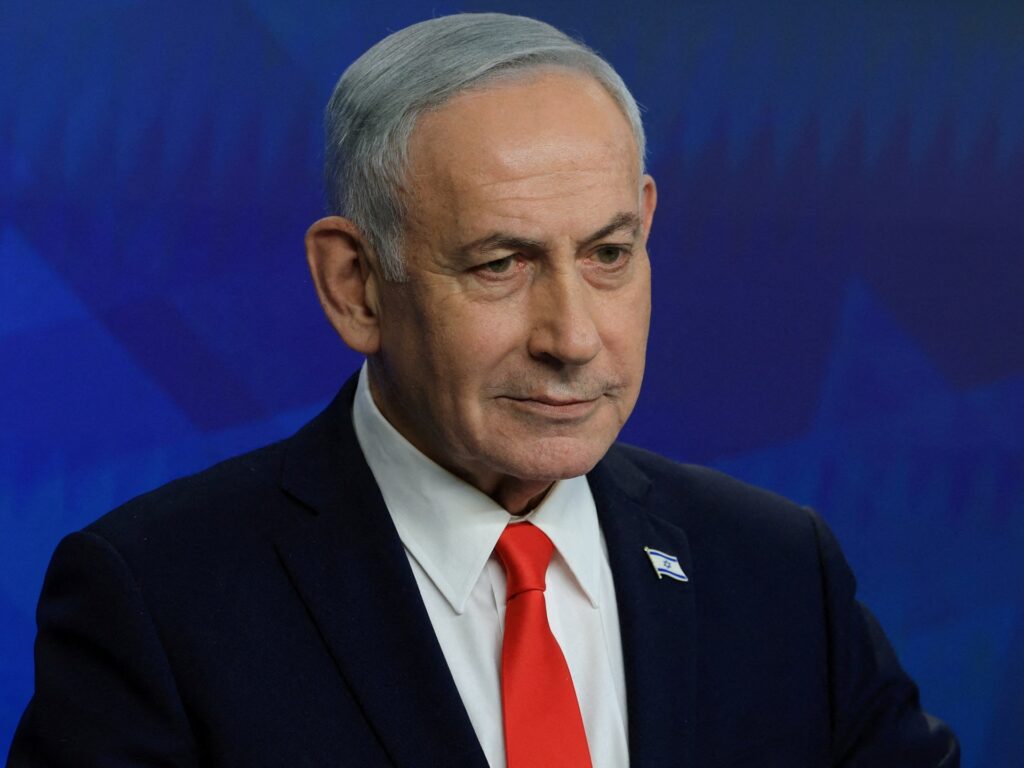
In a recent statement, Israeli Prime Minister Benjamin Netanyahu asserted that the funds sent by Qatar to Gaza, which were intended as humanitarian aid, were approved and recommended by Israeli security agencies. Netanyahu boasted about his involvement in facilitating this financial flow, highlighting the complexities surrounding aid delivery to the Gaza Strip.
The Prime Minister emphasized that the money was not blindly transferred, but rather, it was carefully monitored and routed in a way that aligned with Israel’s security interests. This declaration sheds light on the intricate balance Israel tries to maintain between addressing humanitarian needs in Gaza and ensuring that funds do not inadvertently support militant activities.
Qatar has been a significant contributor to Gaza, often providing financial assistance to alleviate poverty and support infrastructure projects in the territory. However, the relationship between aid provision and security considerations has always been a delicate and controversial issue.
Netanyahu’s comments come amid ongoing tensions and conflict in the region, where Gaza remains a hotspot of political and military friction. By stating that the funds were recommended by Israeli security agencies, Netanyahu implies a degree of oversight and control aimed at preventing misappropriation of aid by groups designated as terrorist organizations.
The Israeli Prime Minister’s remarks also serve to reinforce the narrative that Israel is actively involved in managing and supervising aid distribution to Gaza, despite the blockade and hostilities that characterize the territorial dispute.
This stance portrays Israel as a gatekeeper of humanitarian assistance while simultaneously stressing the importance of national security. Netanyahu’s assertion could be interpreted as an attempt to justify Israel’s policies on Gaza and to assure both domestic audiences and the international community that aid funds were not used to support violence.
Critics, however, may view this announcement with skepticism, questioning the extent of Israel’s influence over Qatar’s independent aid decisions and the implications for Gaza’s autonomy and humanitarian situation.
The controversial nature of aid delivery to conflict zones like Gaza underscores the challenges faced by all stakeholders in ensuring that assistance reaches those in need without exacerbating existing tensions or enabling harmful activities.
In conclusion, Netanyahu’s recent boast about orchestrating the flow of Qatari funds to Gaza reflects the ongoing complexities of humanitarian aid in politically sensitive areas. It highlights the interplay between security considerations and the imperative to provide relief to vulnerable populations, a dynamic that continues to influence the geopolitics of the Middle East.