The ongoing conflict in the Strait of Hormuz has escalated as the Islamic Revolutionary Guard Corps (IRGC) of Iran announced fresh strikes targeting maritime assets affecting international shipping lanes. According to claims by the IRGC, their forces launched attacks on three oil tankers and three ships linked to the United States, further intensifying the standoff in the strategically critical waterway.
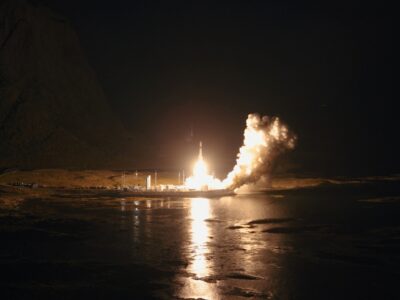
Earlier, the IRGC had fired missiles at U.S. warships operating in the region, signaling a significant escalation in hostilities that could have far-reaching implications for global energy markets and international security.
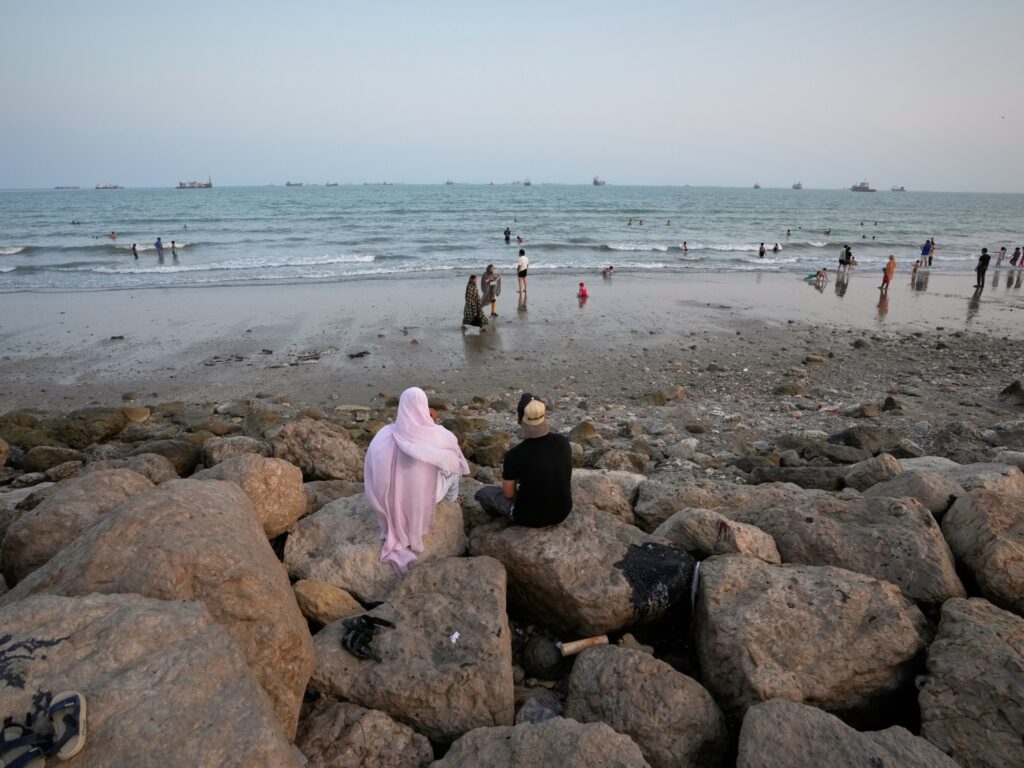
The Strait of Hormuz, a narrow passage connecting the Persian Gulf with the Gulf of Oman and the Arabian Sea, is a vital route for global oil shipments. Any disruption in this area poses risks not only to regional stability but also to the worldwide economy, given that a substantial portion of the world’s petroleum passes through these waters.
Iran’s actions come amid heightened tensions with the United States, which has maintained a naval presence in the region to safeguard maritime traffic and discourage hostile operations by Iranian forces. The IRGC’s strikes are likely a response to increased U.S. military activity and sanctions imposed on Tehran in recent years.
The targeted oil tankers are believed to be carrying crude destined for international markets, and their attacks could further exacerbate fears of supply disruptions. Meanwhile, the assault on U.S.-linked ships underscores the potential for direct confrontation between Iranian forces and American assets.
Analysts warn that the continued escalation in the Strait of Hormuz risks undermining the fragile peace in the Gulf region. Diplomatic efforts to de-escalate tensions have so far failed to yield a lasting resolution, with both sides entrenched in their positions.
The international community has expressed concern over the situation, urging restraint and calling for peaceful dialogue to prevent a broader conflict. The United Nations and several world powers have monitored the developments closely, emphasizing the need to keep vital shipping routes open and secure.
The IRGC’s announcement followed shortly after a spate of smaller confrontations and naval maneuvers, indicating a deliberate and calculated strategy to assert Iranian influence and challenge U.S. dominance in the Gulf.
Commercial shipping companies have begun rerouting vessels to avoid the most dangerous areas of the Strait, leading to longer transit times and increased shipping costs. Insurers have also raised premiums for vessels operating near the conflict zone, reflecting the growing risks.
In response to the attacks, U.S. military officials have vowed to protect American interests and maintain freedom of navigation in the Strait of Hormuz. Additional naval reinforcements may be deployed as tensions remain high.
The regional impact is profound, with Gulf Cooperation Council countries closely monitoring Iran’s military activities. The possibility of retaliatory strikes or further missile attacks remains a serious concern.
As the standoff continues, the stakes remain elevated for all parties involved. The situation in the Strait of Hormuz serves as a critical flashpoint in Middle Eastern geopolitics, underscoring the broader strategic rivalry between Iran and the United States.
The IRGC’s recent claims mark a notable development in the conflict, suggesting that Iran is willing to take aggressive measures to counter perceived threats and assert its position on the international stage.
Observers caution that any miscalculation or unintended escalation could trigger a wider conflict, drawing in regional and global powers. The fragile balance of power in the Gulf hangs by a thread as diplomatic and military actions unfold.
For now, the international community watches closely, hoping for a diplomatic breakthrough that might restore calm to one of the world’s most vital and vulnerable maritime corridors.