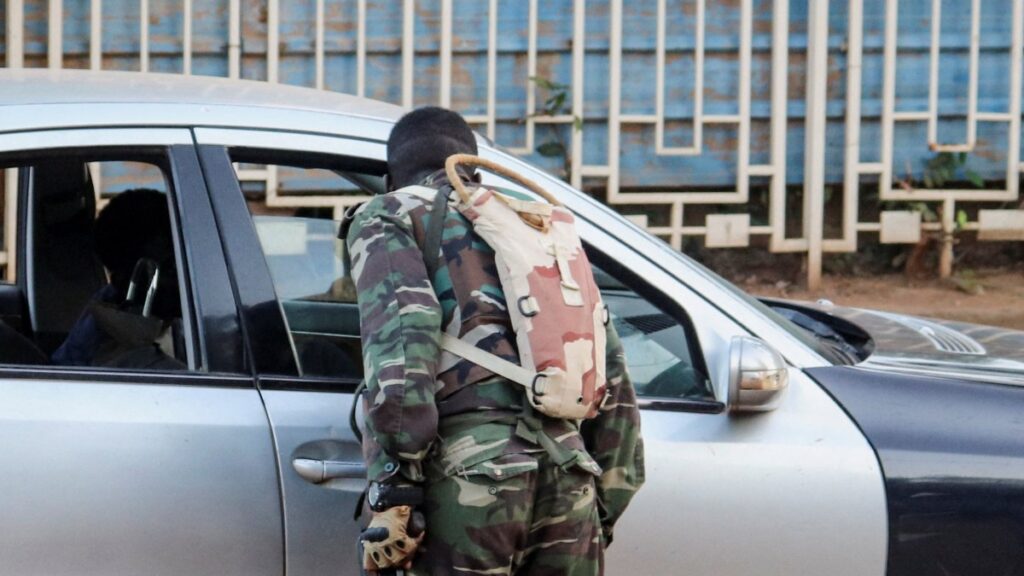
In the wake of a failed mutiny at a military base in Niger, the French government has firmly denied allegations that it played any role in inciting the rebellion. French officials described the accusations as “pure fantasy,” rejecting suggestions from Niger’s government which has expanded its claims to implicate unnamed neighbouring countries.
The incident occurred a week prior, when an attempted mutiny targeted a military installation critical to regional security. Niger’s authorities responded rapidly to suppress the uprising, but in the aftermath, they sought to identify external forces they believe were influencing the unrest.
Initially, Niger’s government did not specify who they held responsible beyond domestic actors, but recent statements have broadened the scope of their accusations to include neighbouring states whose involvement remains unnamed and unsubstantiated publicly.
France, which maintains military and diplomatic ties with Niger as part of broader counterterrorism efforts in the Sahel region, faces a delicate situation. The country is wary of any perceptions that it meddles in the internal affairs of Niger or other regional partners.
Analysts note that the tension arises amid a complex geopolitical environment where multiple external actors have interests in the Sahel. The strategic importance of Niger stems from its location and its role in international security operations against extremist groups.
French officials emphasized their commitment to supporting Niger’s stability and sovereignty, insisting that any instability is detrimental to all parties involved. They urged for dialogue and cooperation rather than unfounded accusations.
Meanwhile, the Nigerien government continues its investigations, with security forces likely to pursue further leads regarding the attempted mutiny. The situation underscores ongoing challenges within Niger as it grapples with internal security threats and regional pressures.
Observers also point to the importance of transparent communication between Niger and its neighbours to prevent misunderstandings and to address security concerns cooperatively.
This episode illustrates the fragile balance of relationships in the Sahel, where external intervention allegations can exacerbate tensions and complicate collaborative efforts against terrorism and instability.
As the investigation proceeds, the international community watches closely, calling for restraint and peaceful resolution to ensure the security of Niger and the broader region remains intact.
The French denial rejects the narrative that external powers, particularly France, are manipulating events in Niger, emphasizing instead the need for mutual respect and constructive engagement among all stakeholders. This development highlights persistent suspicions and the need for clear evidence before assigning blame in complex security incidents.