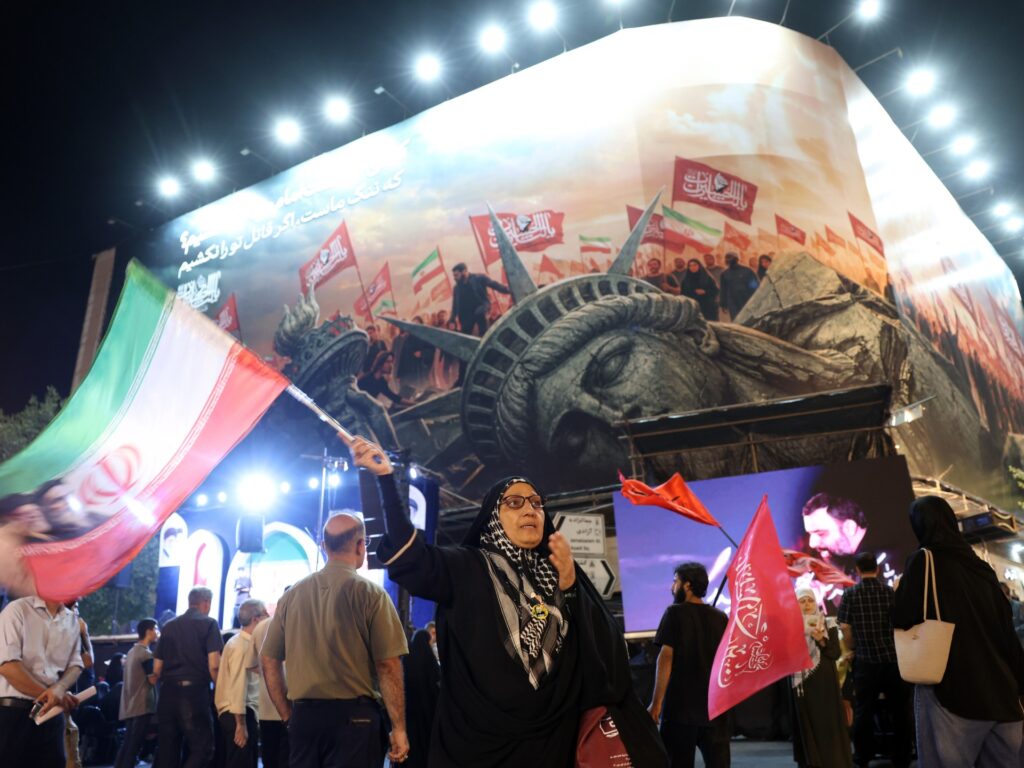
The ongoing conflict between Iran and the United States continues to escalate, with the latest developments marking a significant intensification of hostilities. The United States government has firmly ruled out any diplomatic talks with Iran until the attacks on American ships in the Gulf region cease. This decisive stance underscores the growing strain between the two nations, igniting concerns of a wider regional conflict.
Iran’s First Vice President, Mohammad Reza Aref, has publicly vowed a robust response, characterizing it as “asymmetrical” and “multi-layered.” The statement signals Tehran’s intention to deploy a variety of strategic, perhaps unconventional, tactics in retaliation to what it describes as US aggression.
Recent months have seen a series of incidents involving Iran and US naval forces, primarily centered around the Persian Gulf and strategic waterways critical to global oil supply. The US alleges that Iranian forces have orchestrated attacks against commercial and military vessels, escalating tensions and prompting a strong American military presence in the area.
Despite occasional calls from international actors encouraging dialogue, the US administration remains firm in its position that meaningful negotiations cannot proceed while hostilities continue. This hardline approach reflects Washington’s broader strategy to pressure Tehran into changing its regional policies and curbing its nuclear ambitions.
On the Iranian side, Vice President Aref’s pledge of an “asymmetrical” response suggests leveraging Iran’s capabilities in irregular warfare, cyber operations, and proxy forces to counterbalance US military superiority. The term “multi-layered” hints at multiple facets of their strategy, potentially including diplomatic, economic, and covert actions beyond straightforward military confrontation.
This escalation comes amid a backdrop of strained US-Iran relations following the US withdrawal from the Iran Nuclear Deal (JCPOA) in 2018 and the subsequent re-imposition of sanctions on Tehran. Since then, Iran has progressively stepped up its nuclear activities and regional influence, contributing to heightened insecurity.
Experts warn that the current stalemate could lead to unintended consequences, with miscalculations possibly triggering wider conflict. Regional allies and international organizations continue to call for restraint and renewed diplomacy.
The US Navy remains on high alert in the Persian Gulf, protecting vital shipping lanes against further incidents. Meanwhile, Iran is reportedly enhancing its defensive posture and preparing for a spectrum of countermeasures against any perceived US escalation.
As tensions persist, the global community watches closely, apprehensive about the potential for this confrontation to destabilize the already volatile Middle East and disrupt international energy markets. The coming weeks are critical, with diplomatic efforts required urgently to prevent a slide into broader warfare.
In summary, the US has unequivocally stated it will not engage in talks with Iran until the attacks on US vessels stop, while Iran, through its First Vice President Mohammad Reza Aref, promises a complex and strategic response. This standoff highlights the deep divisions between the two powers and the fragile state of peace in the region.