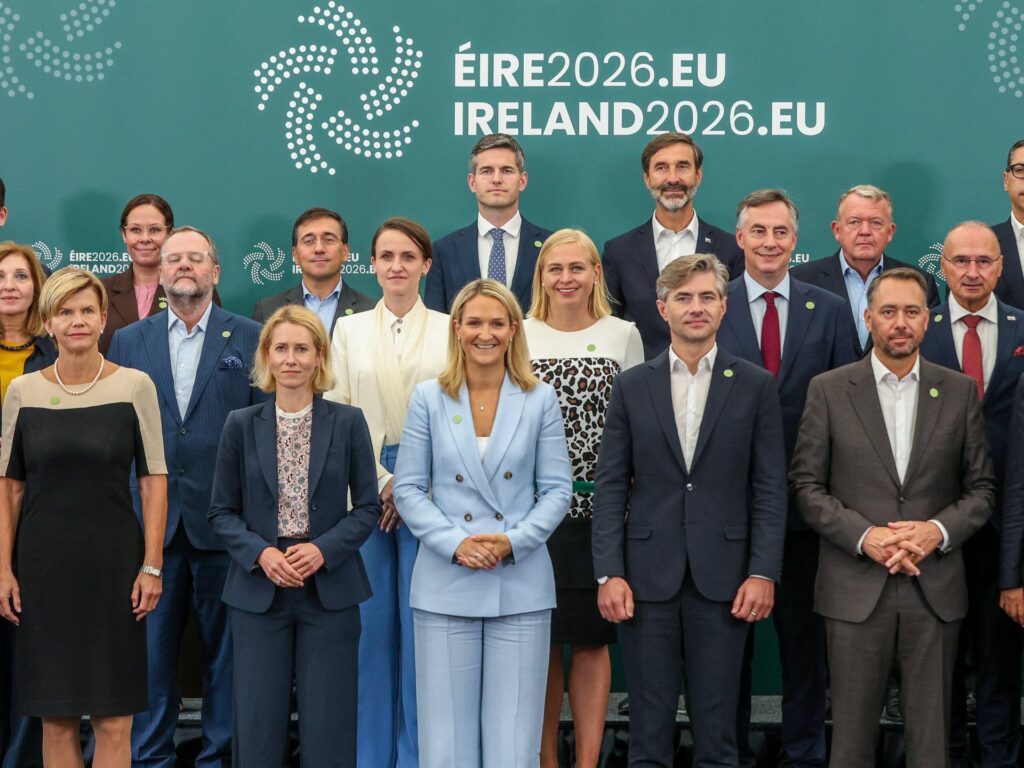
In a recent meeting held in Ireland, the foreign ministers of the European Union encountered a significant deadlock, unable to reach consensus on two critical geopolitical issues: imposing trade sanctions on Israel and providing military support to Ukraine. The discussions highlighted the persistent divisions within the EU regarding how to address ongoing conflicts and international relations challenges.
The discussions on Israel primarily centered around proposed trade sanctions in response to the country’s recent actions, which have sparked international debate. Some member states advocated for stringent measures to express disapproval and influence policy changes in Israel, while others were wary of the potential economic repercussions and diplomatic fallout, leading to an impasse.
Regarding Ukraine, the ministers deliberated on the extent of military support the EU should provide amid the ongoing conflict with Russia. Despite broad sympathy for Ukraine’s situation, concerns about escalating tensions and the possible involvement in further military confrontations contributed to differing opinions among the member states. This resulted in the failure to agree on a unified military assistance package.
The meeting underscored the complex nature of EU’s foreign policy decision-making, which requires balancing diverse national interests and geopolitical considerations. Analysts suggest that these disagreements reflect broader fractures within the EU on how to steer its external relations in a rapidly changing global landscape.
EU officials remain committed to dialogue and are expected to continue negotiations in upcoming sessions. The inability to reach an agreement in Ireland indicates that future summits will be crucial in shaping the EU’s stance on these pivotal issues.
Observers note that the deadlock could have implications beyond the immediate policies on Israel and Ukraine, potentially affecting the EU’s role and influence on the global stage. The union’s capacity to act cohesively in foreign affairs continues to be tested amidst rising international tensions and challenges.