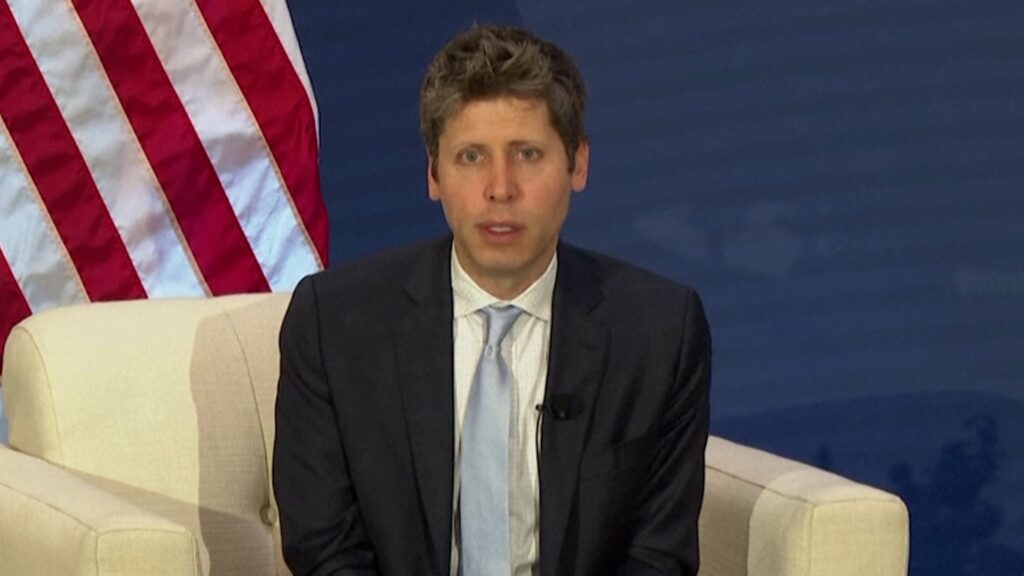
In a recent address at the G20 summit, OpenAI CEO Sam Altman emphasized the transformative role of artificial intelligence in our daily lives, declaring that AI will soon be as essential as electricity. Altman highlighted the rapid advancement of AI technologies and their growing integration into various sectors, from education to healthcare.
During his speech, Altman stated that children growing up today will never be smarter than AI, underscoring the profound impact AI is expected to have on future generations. This bold statement reflects the power of AI to process and analyze information far beyond human capabilities, bringing both unprecedented opportunities and challenges.
Altman’s remarks also underscored the importance of global cooperation and regulation to ensure that AI technologies are developed safely and ethically. He pointed out that as AI becomes more ubiquitous, it will redefine how work, communication, and learning are conducted worldwide.
The comparison to electricity signifies AI’s potential foundational role in future societies. Much like electricity, which revolutionized industry and domestic life, AI is poised to become a critical infrastructure powering economic growth and societal change.
Experts agree that AI’s integration into everyday life is inevitable and will require significant adjustments in governance, education systems, and business practices to maximize benefits and mitigate risks.
As nations discuss frameworks for AI governance, Altman’s statements serve as a wake-up call: embracing AI responsibly will be vital for countries to remain competitive and ensure equitable access to its benefits.
With AI poised to dominate innovation and productivity, the G20 summit’s focus on this technology marks a pivotal moment for international policy surrounding artificial intelligence. Altman’s view reflects optimism about AI’s promise while cautioning about the need to handle the technology with care.
In conclusion, Sam Altman’s address at the G20 summit illuminated the inevitable integration of AI into society, framing it as a necessity akin to electricity. His forecast about future generations being outpaced by AI intelligence opens a critical conversation about how humanity will coexist and thrive alongside increasingly capable AI systems.
The G20’s recognition of AI’s importance may spearhead collaborative international efforts to craft rules and strategies that encourage innovation while safeguarding public interest. As this dialogue unfolds, Altman’s insights provide valuable guidance on preparing for an AI-driven future that promises to reshape every aspect of human life.