In recent developments surrounding the ongoing tensions between the United States and Iran, former US President Donald Trump made a striking comment about the renewed clashes between the two nations. Trump stated that any renewed fighting with Iran “will not last too long,” suggesting a swift resolution. This statement comes amid growing concerns about military confrontations that could further destabilize the region.
The conflict has centered on the strategic Strait of Hormuz, a critical maritime passage through which a significant portion of the world’s oil supply is transported. Trump asserted that the US maintains control over Hormuz, emphasizing American dominance in the area and signaling a warning to Iran about the potential repercussions of continued aggression.
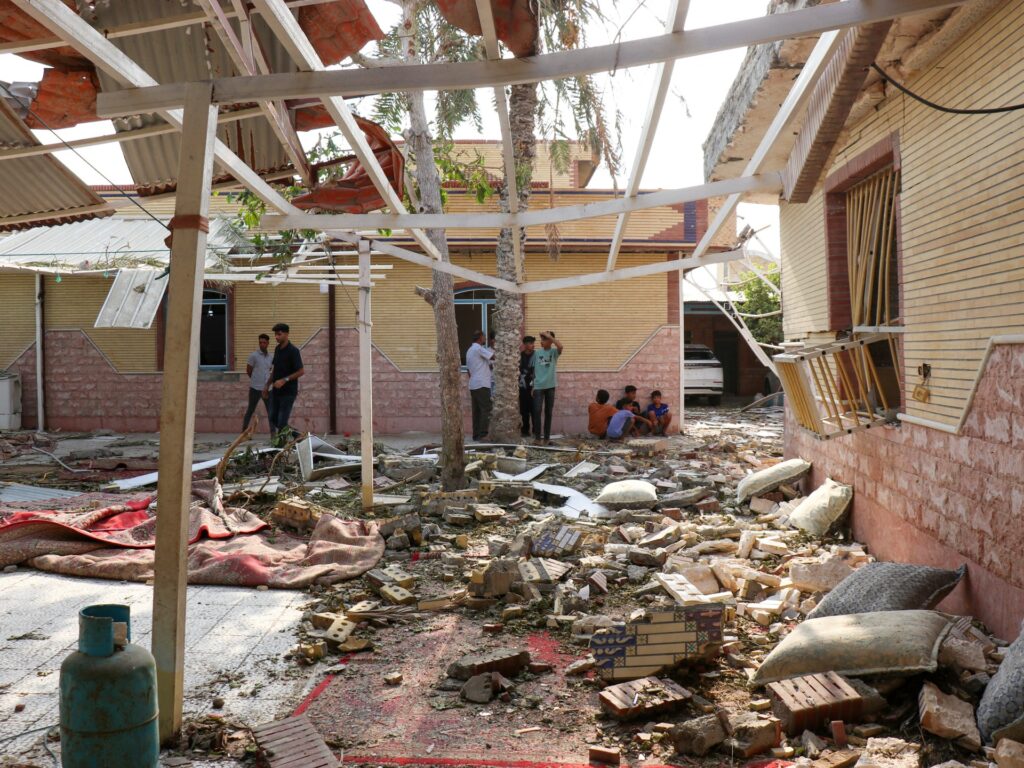
The recent spikes in tensions have reignited fears of a broader conflict in the Middle East. Iran’s military and proxy forces have engaged in various confrontations, including missile launches and attacks on shipping vessels, which have prompted international attention and condemnation.
Trump’s remarks aimed to project confidence and deterrence, underscoring the US commitment to safeguarding its interests and allies in the region. The statement also highlighted the delicate balance of power that exists in the Persian Gulf, where any disruption could have global economic impacts, particularly on energy markets.
Experts analyzing the situation note that while Trump’s message was intended to reassure allies and deter Iran, it also carries risks. The assertion of control over Hormuz might escalate tensions further if perceived as a provocation by Tehran.
Iran has consistently maintained that it has the right to defend its territorial waters and to respond to any threats from foreign powers. Iranian officials have also warned against any attempts to restrict their naval passage or to interfere with regional affairs.
The international community remains vigilant, with calls for diplomacy and restraint growing louder. The United Nations and other global institutions have urged both the US and Iran to engage in dialogue to prevent escalation and to find peaceful solutions to their disputes.
Meanwhile, the geopolitical landscape in the Persian Gulf continues to be fraught with uncertainty. Regional powers are watching closely, concerned about the potential for conflict to spread beyond the immediate US-Iran rivalry.
The US has reiterated its commitment to protecting freedom of navigation in the Strait of Hormuz, with naval forces conducting patrols and joint exercises with allies. This posture is intended to deter any aggressive actions from Iran and to assure the stability of global oil supplies.
As the situation evolves, the world remains alert to any changes that could signal a shift toward greater conflict or de-escalation. The statements from Trump and subsequent reactions from Iranian leaders will likely influence the trajectory of US-Iran relations in the near future.
To summarize, Trump’s declaration that renewed US-Iran clashes will “not last too long” and his claim of control over Hormuz highlight the ongoing strategic contest in the region. The balance between military posturing and diplomatic engagement will be crucial in determining whether tensions escalate or if a peaceful resolution can be achieved.
In the coming weeks, international observers will be closely monitoring developments, hoping that restraint will prevail and preventing the outbreak of a wider regional conflict.