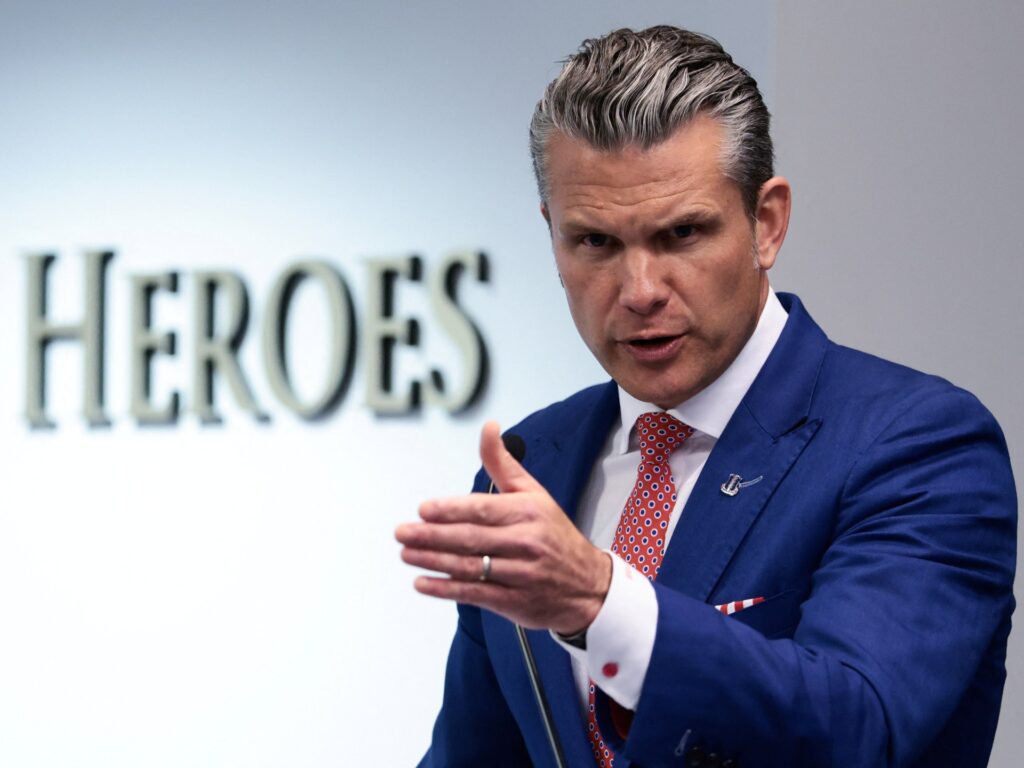
In a significant political development, Republican Senator Thom Tillis has publicly called on then-President Donald Trump to fire the Secretary of Defense, Peter Hegseth. Tillis accused Hegseth of “inept mismanagement” as the Pentagon faces increasing pressure amid the military’s ongoing operations and heightened tensions related to the conflict with Iran.
This demand from Senator Tillis highlights growing frustrations within the Republican ranks regarding the leadership at the Pentagon. The US military has been under considerable strain due to the complex and volatile nature of the war with Iran, and concerns over strategy, logistics, and overall defense management have come under sharp scrutiny.
Senator Tillis’s accusations focus on what he describes as mismanagement at the highest levels of the Department of Defense. These include criticisms of operational inefficiencies, delays in military readiness, and strategic errors that could compromise national security. The Senator argues that these failures impede the military’s ability to effectively respond to threats and carry out its mission.
The Pentagon, under Secretary Hegseth’s leadership, has been navigating a challenging landscape marked by geopolitical instability, increased military engagements, and budgetary constraints. However, Tillis’s call for dismissal suggests that at least some Republican lawmakers are dissatisfied with how the Defense Department is handling these challenges.
This public rebuke is notable because it comes from within the President’s own party, signaling a potential fracture or debate over military policy and leadership amid a critical period for US foreign relations. Tillis’s stance may influence other lawmakers and stir a broader discussion about Pentagon leadership and military strategy.
The war on Iran has placed the US military in a complex position, with ongoing conflicts testing resources and alliances. It has become a focal point for critiques regarding the Department of Defense’s ability to manage prolonged military engagements efficiently.
Tillis’s statements could lead to increased pressure on Trump to make significant changes within the Pentagon leadership team. This could include a broader reassessment of military policies and priorities to better align with the administration’s objectives and the realities on the ground.
Secretary Hegseth has not publicly responded to the accusations, but the political fallout could intensify as debates over military leadership and strategy continue. The situation remains dynamic, with potential implications for US defense policy, military readiness, and the administration’s approach to international conflict.
As tensions with Iran persist, the focus on Pentagon leadership underscores the critical importance of effective management in ensuring the US military can meet its objectives. The outcome of this political confrontation may shape the future direction of US national defense efforts and influence the country’s approach to handling international conflicts and security challenges.