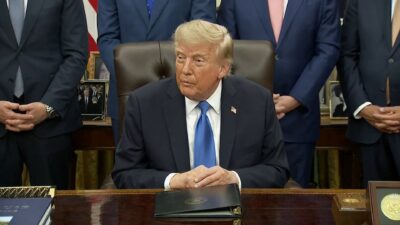
The recent resignation of the US Army Secretary, following the controversial purges initiated by Pete Hegseth, marks a significant turning point for the United States military establishment. Hegseth’s tenure was characterized by a series of bold and sweeping changes aimed at restructuring the military hierarchy, which has now culminated in high-profile departures at the top echelons of the Defense Department.
These purges, intended to streamline command and enhance operational efficiency, have sparked widespread debate about their ultimate impact. On one hand, proponents argue that these reforms are necessary for modernizing the military and responding to contemporary threats more effectively. On the other, critics warn that the abrupt upheaval risks undermining institutional knowledge and morale, possibly creating gaps in leadership that could hinder readiness and strategic cohesion.
The resignation of the Army Secretary, a key figure in the Pentagon, symbolizes more than just personnel changes; it highlights growing tensions within the military regarding the direction of these reforms. It raises questions about the sustainability of the ongoing shifts and whether the military culture can adapt quickly enough to maintain its global leadership role.
Long-term, analysts suggest that the purges could either result in a leaner, more agile force ready for 21st-century challenges or trigger prolonged instability within the ranks. The uncertainty surrounding the outcomes reflects the delicate balance between innovation and tradition in military operations and governance.
Moreover, the political ramifications of these purges extend beyond the Defense Department. Lawmakers, defense experts, and allied nations are closely monitoring the situation, concerned about potential disruptions in US military commitments worldwide. The credibility of the US as a reliable military partner is intricately tied to the perceived stability and effectiveness of its armed forces.
Historically, military purges have been a double-edged sword. While they can eliminate entrenched inefficiencies and inject fresh perspectives, they often come at the cost of experience and institutional wisdom. The challenge for the US military will be to harness the benefits of reform without sacrificing the qualities that have traditionally underpinned its strength.
In conclusion, Pete Hegseth’s purges have set in motion a pivotal moment for the US military. The upcoming months and years will be critical in determining whether these changes will fortify or fracture the institution. As the military navigates this transformation, the balance between swift innovation and careful preservation of core values will be key to maintaining America’s defense posture in an increasingly complex global landscape.