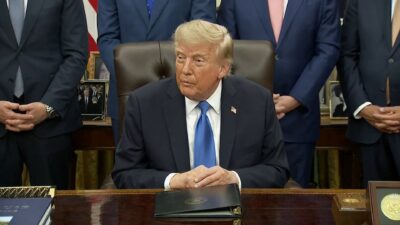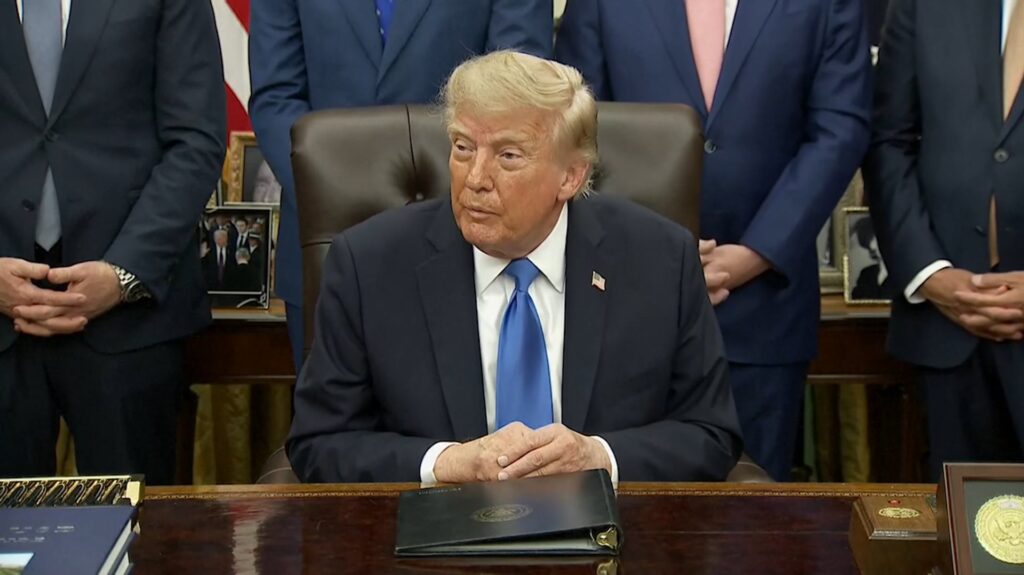
US President Donald Trump has issued a stern warning to Iran, stating that the United States monitors all Iranian activities closely and threatening additional military actions. This aggressive stance follows a recent incident where the US military reportedly destroyed a mine-laying rocket attributed to Iran.
The president emphasized the US’s capability to observe “everything” that Iran does, suggesting heightened vigilance and readiness to respond to any threats posed by Tehran. Trump’s statements come amid escalating tensions in the region, with the US aiming to curb Iranian influence and activities that it views as destabilizing.
This development marks a continuation of the aggressive rhetoric and military posture adopted by the Trump administration against Iran. It underscores an unfolding confrontation with potential implications for regional stability and international relations.
The destruction of the mine-laying rocket is part of America’s efforts to prevent Iran from deploying weapons that could threaten navigation and security in critical areas such as the Persian Gulf. This event reflects the broader conflict between the two countries, as the US seeks to counter Iran’s military capabilities and retaliate against perceived provocations.
Experts warn that these ongoing clashes and threats risk escalating into more severe conflict unless diplomatic efforts are prioritized. Nonetheless, the Trump administration appears focused on a policy of deterrence through demonstrated military readiness and assertive public messaging.
The international community remains watchful as the situation develops, hoping for a de-escalation that ensures peace and security in the volatile Middle East region. Meanwhile, the US continues to leverage its surveillance and military assets to maintain strategic superiority over Iran.
Overall, President Trump’s recent declarations reinforce a US approach that combines intelligence vigilance, military preparedness, and open threats to deter Iran from actions deemed hostile. The coming weeks are crucial in determining whether this stance leads to further military engagements or opens pathways towards negotiation.