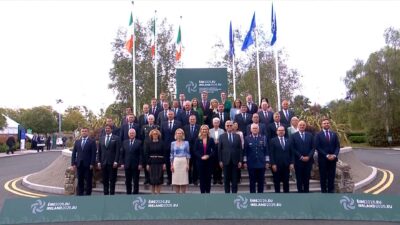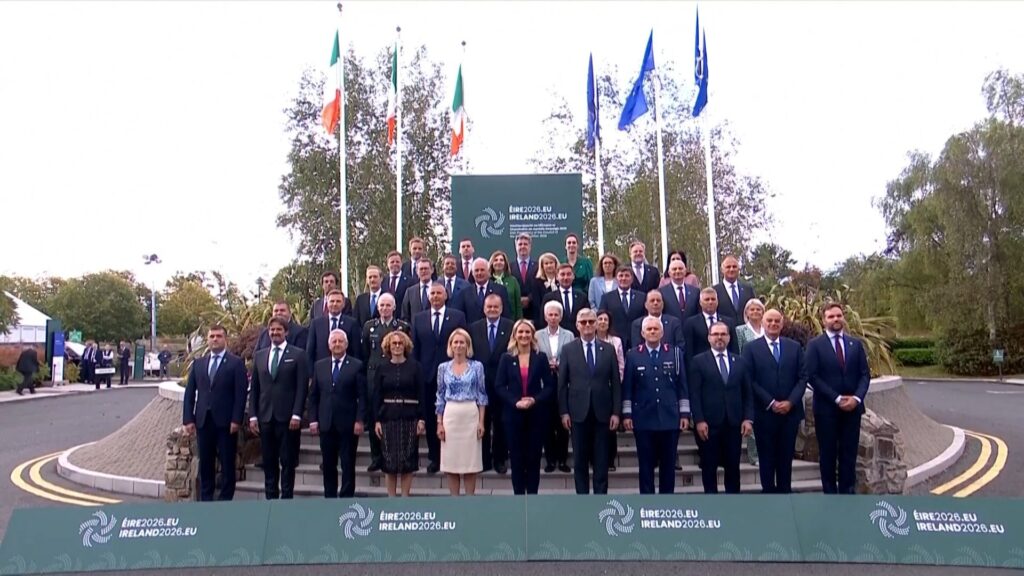
In a significant gathering in Ireland, European Union (EU) ministers convened to discuss critical geopolitical issues affecting the region and beyond. Central to their discussions were the fraught topics of Israeli settlement trade and defense support for Ukraine amidst ongoing conflicts.
The ministers collectively expressed concern over trade relations involving Israeli settlements, which remain a contentious issue within the EU due to legal and ethical considerations. While there was a consensus on the need to address these settlement trade activities, the EU ministers were unable to unify on the imposition of sanctions against Israel. This division highlights the complexities and differing national perspectives within the EU on how to manage relations with Israel concerning the settlements.
Additionally, the ministers turned their focus to Ukraine, reaffirming their commitment to support Ukraine’s defense capabilities amid the ongoing conflict. The issue remains a priority as the EU seeks to balance diplomatic efforts with tangible support on the ground.
In a related development, the EU ministers announced a mission aimed at bolstering Lebanon’s army. This initiative reflects the EU’s broader strategy to promote stability in the Middle East by strengthening local security forces and enabling them to manage internal and external threats effectively.
The discussions in Ireland underscore the EU’s complex geopolitical landscape where multiple crises intersect. The ministers’ inability to agree on sanctions against Israel contrasts with their unified approach to defense support for Ukraine and Lebanon.
EU leaders have reiterated the importance of maintaining dialogue and cooperation among member states to handle divergent views and find a path forward on contentious issues. As the situation in Israel-Palestine remains volatile, the EU continues to monitor developments closely while navigating internal disagreements.
The planned support for Lebanon’s military is expected to enhance the country’s capacity to address security challenges, which is critical given its strategic position and the instability in neighboring regions.
This meeting in Ireland serves as a reminder of the EU’s ongoing engagement in international affairs and its efforts to project influence and foster peace through diplomacy and support missions. The ministers agreed to continue discussions in future meetings, aiming to find common ground on sanctions and further solidify support for Ukraine and Lebanon.
In conclusion, the EU ministers’ session in Ireland highlights the balancing act the union faces in addressing contentious international issues, showcasing both the potential and limits of collective action among member states. Their decisions will have implications for EU foreign policy and its role on the global stage in the months and years to come.