A year has passed since the initiation of the Trump administration’s aggressive boat strike campaign targeting what it calls ‘narcoterrorists’ at sea. The campaign was launched with the intent to combat drug trafficking activities using maritime routes, a strategy that the administration claims has significantly weakened criminal networks involved in narcotics transportation.
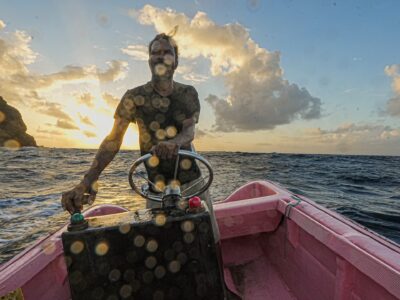
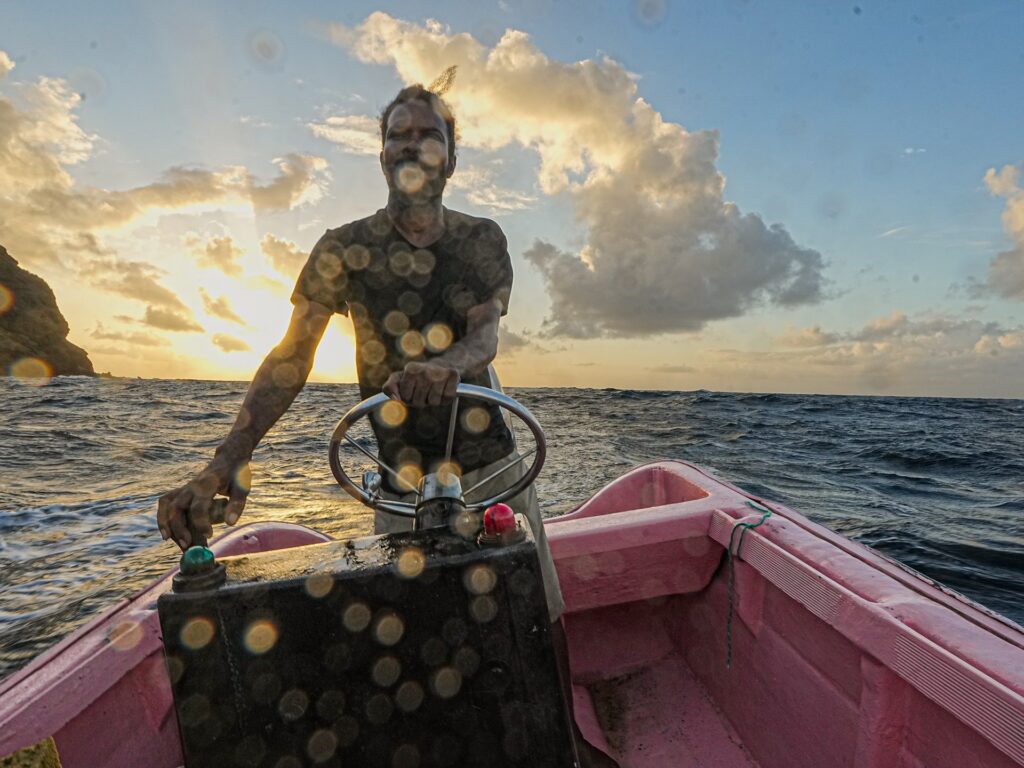
However, as the campaign enters its second year, families in coastal communities and fishing towns express growing concern and grief. They fear that innocent fishermen, individuals who make their livelihood from the sea, may have been mistakenly targeted or caught in the crossfire during these strikes. These families are demanding transparency, accountability, and thorough investigations into each incident where maritime strikes were conducted.
The Trump administration has defended its operations, stating that each strike is based on intelligence meant to ensure that only narcotics traffickers are targeted. Officials assert that these efforts have resulted in the disruption of numerous drug shipments and have dealt a severe blow to the operational capabilities of narcoterrorist groups.
Despite these claims, reports have surfaced of boats being attacked under unclear circumstances, with some survivors and activists alleging that fishermen are being wrongfully accused or that mistakes have been made leading to civilian casualties. The families of those affected insist on the need for a detailed inquiry into the campaign’s execution and the criteria used to identify targets.
The psychological and economic impact on affected communities is significant. Fishermen, many of whom work in small-scale, artisanal operations, depend entirely on their boats as a means of survival. Loss of boats and lives not only devastates families emotionally but also threatens their financial stability and community welfare.
Human rights organizations have called for international oversight and independent reviews of the U.S. maritime strike program. They argue that while combating drug trafficking is critical, it should not come at the cost of innocent lives and livelihoods.
As the campaign continues, these families remain in limbo, hoping for answers and justice. The call for transparency is growing louder, emphasizing the need for a balance between national security interests and the protection of civilian lives.
This complex situation highlights the challenges of military and law enforcement operations in maritime environments, especially where local livelihoods are closely intertwined with the sea. Moving forward, it is vital for administrations to ensure robust safeguards, clear operational protocols, and community engagement to prevent unintended harm.
The impact of the boat strike campaign under the Trump administration serves as a poignant reminder of the human costs of aggressive anti-narcotics strategies. For many families, the search for truth and closure continues, underscoring the importance of accountability and careful policy implementation in national security operations.