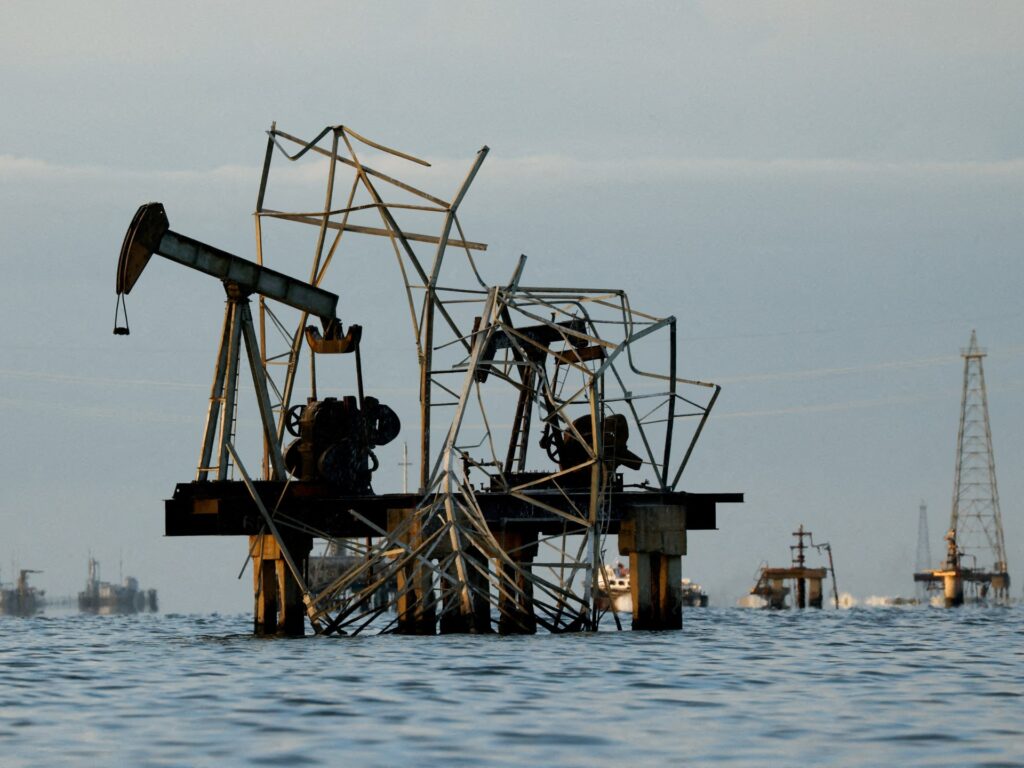
The United States has been significantly increasing its imports of Venezuelan crude oil, raising questions about the potential impact on domestic fuel prices. Analysts are weighing in on whether this move might ease the fuel cost burden for American consumers.
Venezuela, known for its vast oil reserves, has historically been a major oil producer. However, the crude oil extracted from Venezuela is notably heavy and sour, making it harder to refine compared to lighter, sweeter oils from other regions. This complexity leads to higher processing costs at refineries.
Despite these challenges, the US has ramped up its uptake of Venezuelan oil, possibly to diversify supply sources and reduce reliance on oil flowing through geopolitically sensitive areas like the Strait of Hormuz.
The Strait of Hormuz, a narrow chokepoint between the Persian Gulf and the Gulf of Oman, is a critical artery for global oil transit. Any tensions or blockages there can swiftly disrupt oil supplies and spike global prices. However, analysts caution that Venezuelan crude’s characteristics may limit its ability to replace the volumes of oil that pass through the Strait.
Furthermore, US refineries are often optimized for the types of crude oil they regularly process. Integrating heavier Venezuelan crude could require adjustments or additional investments, which might offset some cost benefits.
Market dynamics are also influenced by global oil prices, OPEC policies, and geopolitical factors, all of which play significant roles in determining pump prices in the US.
In summary, while importing more Venezuelan oil serves strategic purposes and could contribute to supply diversification, experts suggest it may not directly or substantially reduce fuel prices for consumers. The quality of the crude, refinery compatibility, and broader market conditions all temper the potential economic impact.
Consumers may therefore see little immediate relief at the gas pump despite the increased Venezuelan oil imports, although the diversification does add a degree of resilience to the US oil supply chain amid increasing global uncertainties.