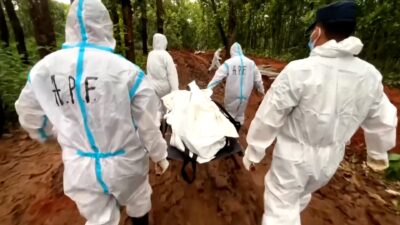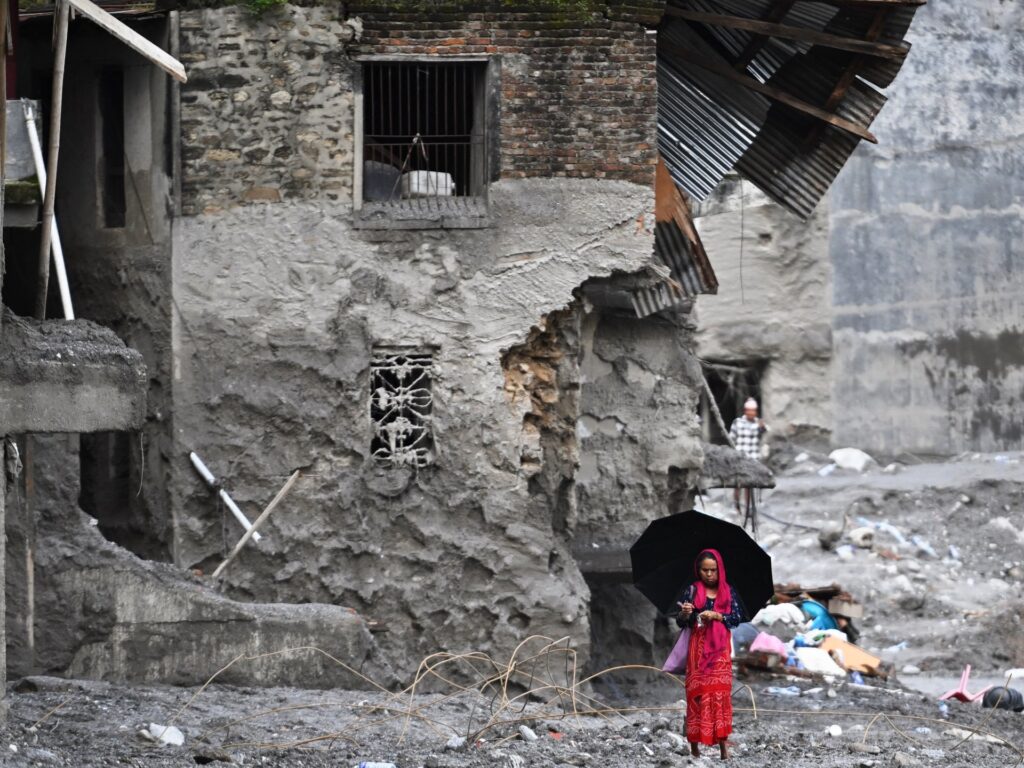
The death toll from the recent devastating floods that swept across China and Nepal has tragically surpassed 1,000, marking one of the deadliest natural disasters in the region.
The floods, triggered by unprecedented heavy rainfall, caused widespread destruction in several provinces of China as well as in various districts of Nepal. Torrential rains led to rivers overflowing their banks, causing massive landslides and flash floods that engulfed towns and villages.
Rescue efforts have been intensifying over the past several days, with a primary focus on hydropower sites where hundreds of workers are believed to be trapped due to landslides and flooding. These sites, often located in mountainous and remote regions, present significant challenges for rescue teams who are racing against time to save lives.
Authorities in both countries have mobilized thousands of personnel, including soldiers, emergency responders, and volunteers, to conduct search and rescue operations. Helicopters and boats are being used extensively to reach stranded individuals and deliver essential supplies.
Infrastructure damage has been extensive. Roads and bridges have been washed away or severely damaged, complicating rescue efforts and hampering the delivery of emergency aid. Many communities remain cut off, relying on air-drops of food, water, and medical supplies.
The floodwaters have also impacted agriculture, destroying crops and farmland, which will likely lead to food shortages in the affected areas in the coming months.
In China, the provinces hardest hit include Sichuan, Yunnan, and Hubei, where entire communities have been submerged. Similarly, in Nepal, districts like Sindhupalchok and Dolakha have suffered catastrophic losses.
Local governments are working closely with national disaster management agencies to coordinate relief efforts and support for displaced populations. Temporary shelters have been set up for those who lost their homes.
Experts warn that climate change could be contributing to the severity and frequency of such flooding events in the region, underscoring the urgent need for improved disaster preparedness and infrastructure resilience.
International aid organizations are also stepping in to provide assistance and resources to both China and Nepal, aiming to alleviate suffering and help in recovery efforts.
As the situation remains fluid, officials have urged residents in flood-prone areas to stay alert and follow safety advisories. They emphasize the importance of community cooperation and preparedness to mitigate further casualties.
The tragic floods highlight the vulnerability of mountainous regions to extreme weather events and the critical importance of investing in disaster risk reduction strategies.
Combined efforts from governments, local communities, and international partners will be vital in supporting the recovery and rebuilding process following this devastating natural disaster.