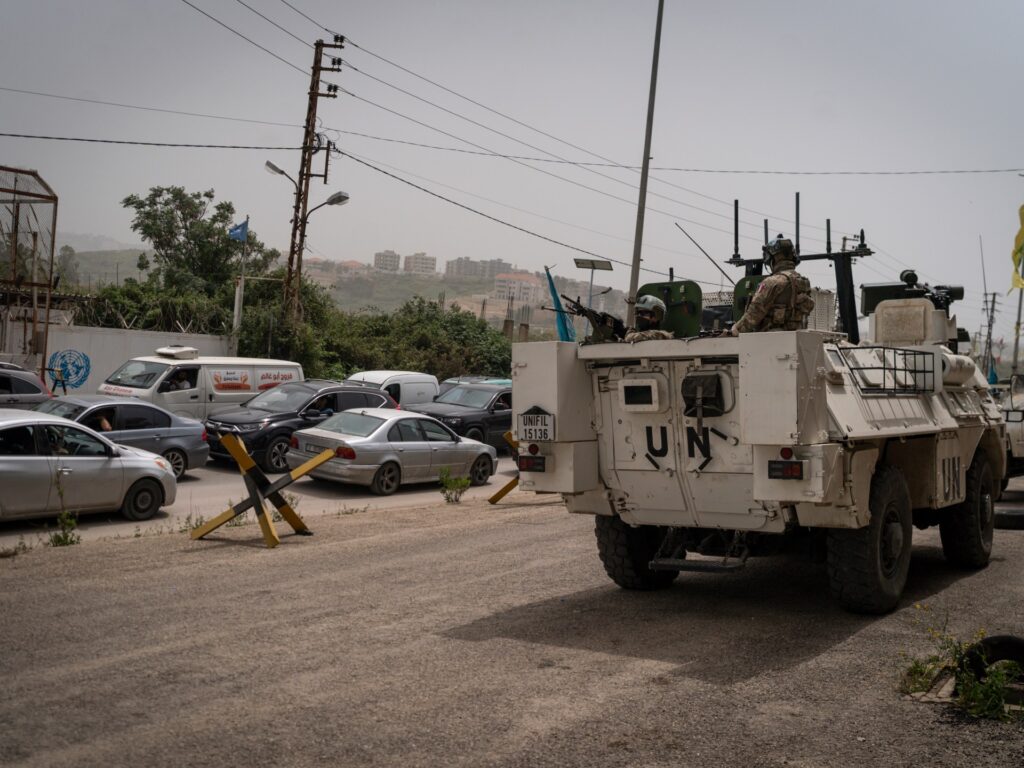
The European Union is contemplating deploying a military mission to replace United Nations peacekeepers in South Lebanon, as the mandate of the UN Interim Force in Lebanon (UNIFIL) is set to expire on December 31. This development marks a significant shift in international peacekeeping efforts in the region.
UNIFIL, established in 1978 to oversee the withdrawal of Israeli forces and maintain peace along the Israeli-Lebanese border, has played a critical role in maintaining a fragile calm in southern Lebanon. However, with the mission’s upcoming expiration, the EU is exploring options to take a more direct role in ensuring stability in the area.
Analysts speculate that Israel could potentially benefit from a change in peacekeeping arrangements. The end of UNIFIL’s mandate might alter the balance of influence in the region, possibly aligning more closely with Israeli security interests. This potential advantage for Israel underscores the geopolitical complexities inherent in the transition.
The EU’s possible military mission would entail deploying troops under a new mandate aimed at maintaining peace and security in coordination with local and international actors. Such a move would highlight Europe’s increasing commitment to global security challenges and its readiness to fill gaps left by the United Nations.
Observers note that the mission would face several challenges, including navigating the tense political landscape, ensuring cooperation from Lebanese factions, and responding effectively to any escalation of conflict along the border.
The expiration of UNIFIL’s mandate and the EU’s contemplation of a replacement force also raise questions about the future of international peacekeeping in the Middle East. It might signal a shift from purely UN-led operations toward more regional or multinational coalitions.
Security experts emphasize the importance of a well-planned transition to avoid creating a power vacuum that could exacerbate tensions. They advocate for robust diplomatic engagement alongside the military presence to foster lasting peace.
The situation remains dynamic, with all eyes on how Lebanon, Israel, the UN, and the EU will navigate the evolving peacekeeping landscape in the coming months.